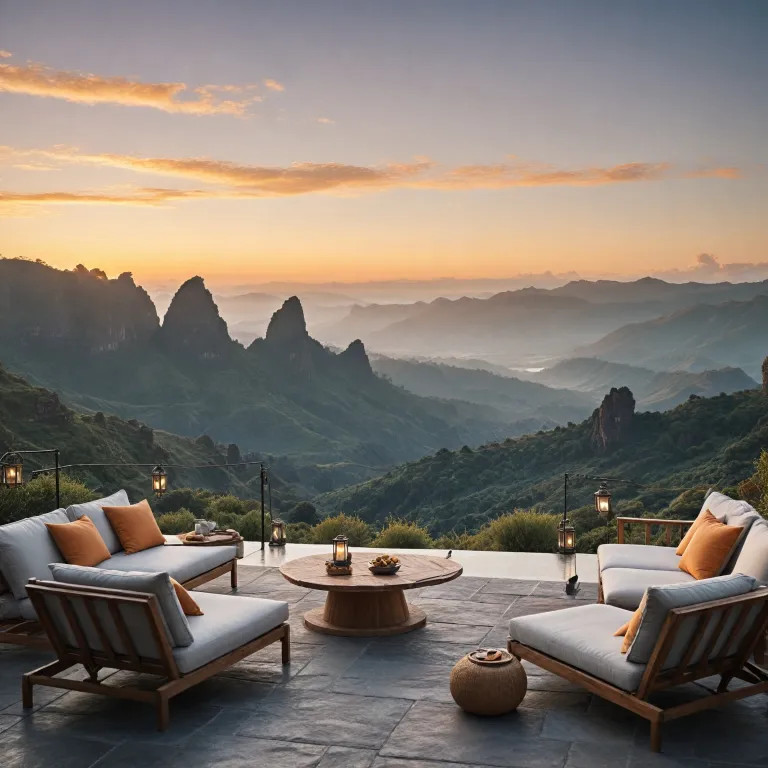
Highland panoramas and luxury perspectives for discerning travellers
The highlands in Ethiopia offer a rare blend of altitude, heritage, and refined comfort. In this rugged mass of mountains that form the Ethiopian Highlands, luxury and premium hotel booking becomes a gateway to landscapes shaped millions of years ago. Travellers encounter an elevated world where every mountain, forest, and plateau frames their stay with dramatic clarity.
This article focuses on how an elegant booking experience can interpret the Ethiopian highlands for modern guests. From the northern Ethiopia escarpments to the softer south, the region’s mountains and valleys shape expectations for service, design, and curated itineraries. A well crafted platform must translate the image of the Ethiopian plateau, its national park networks, and its montane moorlands into intuitive choices for travellers who value time and comfort.
The Ethiopian Highlands stretch across a large area of northeast Africa, often called the roof of Africa. Within this elevated zone, premium hotels must address the realities of meters elevation, changing temperatures, and lower elevations in adjacent valleys. A sophisticated booking website therefore needs to contextualise each mountain lodge, forest retreat, or city property within its precise altitude, climate, and access conditions.
For travellers comparing stays near the rift valley or around lake Tana, clarity about geography is essential. The great rift shapes both the east African climate and the logistics of reaching remote mountains national parks. By presenting the Ethiopian montane ecosystems, woodland belts, and juniperus procera forests with precision, a high end platform builds trust and supports confident decisions.
Mapping the Ethiopian highlands for premium hotel selection
Planning a stay in the highlands in Ethiopia starts with understanding distance, altitude, and access. The Ethiopian Highlands form the largest continuous high elevation area in Africa, and this scale directly influences how travellers should evaluate hotels. A credible booking website must therefore map each property against the Ethiopian plateau, the rift valley, and the surrounding mountains with cartographic accuracy.
Guests often compare stays in northern Ethiopia, around the semien mountains, with journeys to the south near the bale mountains. These two mountains national park regions share dramatic meters elevation, yet they differ in climate, wildlife, and travel time from the largest city. A refined interface should allow users to filter hotels by proximity to each national park, by altitude bands, and by access routes from major east African hubs.
Within this elevated zone, the contrast between montane moorlands and lower elevations is crucial for comfort. Some travellers prefer cool nights on the Ethiopian plateau, while others seek warmer woodland and forest belts along the rift. By presenting clear altitude data, seasonal temperature ranges, and transport options, a premium platform helps guests match their personal comfort profile to the right mountain or valley setting.
High quality maps should highlight lake Tana, the source of the Blue Nile, and its surrounding national park landscapes. They should also show how the great rift divides east and west, shaping rainfall patterns across the Ethiopian highlands. When a booking website integrates this geographical intelligence, it elevates hotel selection from guesswork to informed, confident choice.
Designing luxury stays around altitude, climate, and ecosystems
Luxury travel in the highlands in Ethiopia depends on more than thread count and spa menus. At meters elevation above sea level, the Ethiopian Highlands present unique climatic and ecological conditions that directly affect guest experience. A premium booking website must therefore translate altitude, temperature, and ecosystem data into practical guidance for travellers.
In the semien mountains and bale mountains, guests may sleep above 3,000 meters elevation in montane moorlands. These areas, often called the roof of Africa, offer extraordinary views across northern Ethiopia and the wider east African landscape. However, thinner air and cooler nights require careful preparation, which a responsible platform should explain clearly during the booking journey.
Lower elevations along the rift valley and near lake Tana offer warmer conditions and richer woodland and forest zones. Here, juniperus procera stands and other Ethiopian montane species create shaded retreats that suit guests sensitive to cold. A nuanced booking interface can highlight which hotels sit in dense woodland, which overlook open plateau, and which border a national park with easy access to trails.
Many travellers are drawn to the Ethiopian highlands because of their unique biodiversity and endemic species. Years ago, few luxury options existed near these protected areas, but today a growing portfolio of premium lodges operates with conservation commitments. By clearly indicating which properties support national park projects or forest restoration, a booking website aligns guest choices with long term protection of the Ethiopian plateau and its ecosystems.
From Addis Ababa to ras dashen: crafting seamless premium itineraries
For many visitors, journeys into the highlands in Ethiopia begin in the largest city, Addis Ababa. From this east African aviation hub, travellers connect to northern Ethiopia for the semien mountains or to the south for the bale mountains and other national park regions. A sophisticated booking website should therefore integrate flight timings, transfer options, and realistic travel durations into every proposed itinerary.
Climbing towards ras dashen, the highest mountain in Ethiopia, involves staged ascents through different ecological zones. Guests move from cultivated lower elevations to montane woodland, then to open montane moorlands near the summit. A premium platform can curate hotel combinations that respect acclimatisation needs, pairing a night on the Ethiopian plateau with subsequent stays deeper inside the Ethiopian Highlands.
Similar logic applies to itineraries that follow the great rift and rift valley corridors. Travellers may start near lake Tana and its surrounding forest and park landscapes, then continue south along the rift to other mountains national areas. By presenting these routes with clear maps, altitude profiles, and suggested stopovers, the booking website transforms complex geography into an elegant, manageable journey.
High resolution image galleries help guests visualise each mountain, plateau, and forest setting before committing. When these images are paired with precise descriptions of meters elevation, climate, and access, expectations align with reality. Over time, such transparency builds trust, encouraging guests to return to the same platform whenever they plan new journeys across the Ethiopian highlands and wider Africa.
Cultural depth and digital storytelling in Ethiopian highland hotels
Luxury and premium hotels in the highlands in Ethiopia must balance international standards with local character. The Ethiopian Highlands hold centuries of cultural heritage, from rock hewn churches in northern Ethiopia to monasteries around lake Tana. A refined booking website should therefore present each property not only as a room, but as a narrative anchored in place, history, and community.
In practice, this means describing how hotels engage with nearby villages, artisans, and guides across the Ethiopian plateau. It also involves explaining how properties support conservation in adjacent national park areas, forest reserves, and montane moorlands. By weaving these elements into each article and hotel profile, the platform helps guests understand the broader impact of their stay on the Ethiopian montane environment.
Digital storytelling can highlight how juniperus procera beams frame a mountain lodge, or how woodland trails connect guests to viewpoints over the great rift. It can also show how years ago, access to these mountains was limited, while today carefully managed tourism supports both livelihoods and ecosystems. For deeper context on cultural integration in hospitality, travellers can consult this detailed guide on cultural fusion in luxury and premium hotel booking websites in Ethiopia.
High quality image curation is essential, especially when presenting remote mountains national landscapes. Each photograph should accurately represent the forest, plateau, or rift valley setting, avoiding exaggerated colours or misleading angles. When guests see the same views upon arrival that they admired online, confidence in both the hotel and the booking platform deepens across Africa and beyond.
Building trust, safety, and sustainability at the roof of Africa
Trust is the foundation of any luxury booking decision in the highlands in Ethiopia. Travellers need assurance about safety standards, environmental practices, and the reliability of information about altitude, climate, and access. A credible platform must therefore apply rigorous verification to every hotel listing across the Ethiopian Highlands and adjacent rift valley zones.
Safety considerations increase with meters elevation, particularly in remote mountains national parks such as the semien mountains and bale mountains. Guests should see clear information about medical facilities, evacuation options, and recommended acclimatisation schedules for higher mountain stays. Transparent policies around guiding standards, vehicle maintenance, and park regulations further reinforce confidence in journeys across the Ethiopian plateau.
Sustainability is equally central, especially in fragile montane moorlands and forest belts dominated by juniperus procera and other Ethiopian montane species. Years ago, deforestation and land pressure intensified across parts of northern Ethiopia and the wider east African region. Today, many premium properties support reforestation, wildlife monitoring, and community projects near national park boundaries and lower elevations.
By highlighting these initiatives, a booking website helps guests align their choices with conservation outcomes at the roof of Africa. It can also encourage hotels to adopt stronger practices, knowing that travellers value responsible stewardship of the Ethiopian highlands. Over time, this virtuous circle protects the mountains, woodland, and plateau landscapes that make Ethiopia one of the most compelling high elevation destinations on earth.
Key statistics about the Ethiopian highlands and premium travel
- The Ethiopian Highlands cover an area of approximately 1,130,000 square kilometres, forming one of the most extensive high elevation plateaus on earth.
- Around 85 percent of Ethiopia’s population lives in or around the highlands, which shapes cultural encounters for guests staying in both cities and rural mountain zones.
- Ras Dashen, the highest mountain in Ethiopia, rises to about 4,550 meters elevation, influencing how luxury itineraries must address acclimatisation and safety.
- The Ethiopian Highlands host roughly 840 endemic plant species, many concentrated in Ethiopian montane forests, juniperus procera woodlands, and montane moorlands near national park areas.
- Ethiopia has experienced significant deforestation measured in hundreds of thousands of hectares annually, which makes sustainable hotel practices in forest and plateau regions particularly important.
Essential questions for planning luxury stays in the Ethiopian highlands
How should travellers choose between the semien mountains and bale mountains for a premium stay ?
Both the semien mountains and bale mountains offer exceptional landscapes, but they differ in character and focus. The semien mountains in northern Ethiopia emphasise dramatic cliffs, views from the roof of Africa, and proximity to ras dashen, while the bale mountains in the south highlight montane moorlands, forest zones, and unique wildlife. Travellers should consider their interest in hiking intensity, wildlife viewing, and travel time from the largest city when selecting hotels in either mountains national park region.
What role does altitude play when booking luxury hotels in the Ethiopian Highlands ?
Altitude shapes temperature, comfort, and health considerations across the Ethiopian Highlands and adjacent rift valley areas. Properties on the Ethiopian plateau or near mountain summits experience cooler nights and thinner air, which may require acclimatisation and warmer clothing, while hotels at lower elevations in woodland or forest belts feel milder. A high quality booking website should clearly state meters elevation for each property, helping guests choose between higher mountain retreats and more temperate valley or lake Tana settings.
Why is sustainability particularly important for premium hotels in the Ethiopian highlands ?
The Ethiopian Highlands host sensitive ecosystems, including Ethiopian montane forests, juniperus procera woodlands, and montane moorlands that support many endemic species. Years ago, pressures such as deforestation and land conversion intensified across parts of the Ethiopian plateau and surrounding zones, threatening biodiversity and water sources. Premium hotels operating near national park boundaries, forest reserves, or the great rift therefore have a responsibility to minimise impact, support conservation, and communicate these efforts transparently through trusted booking platforms.