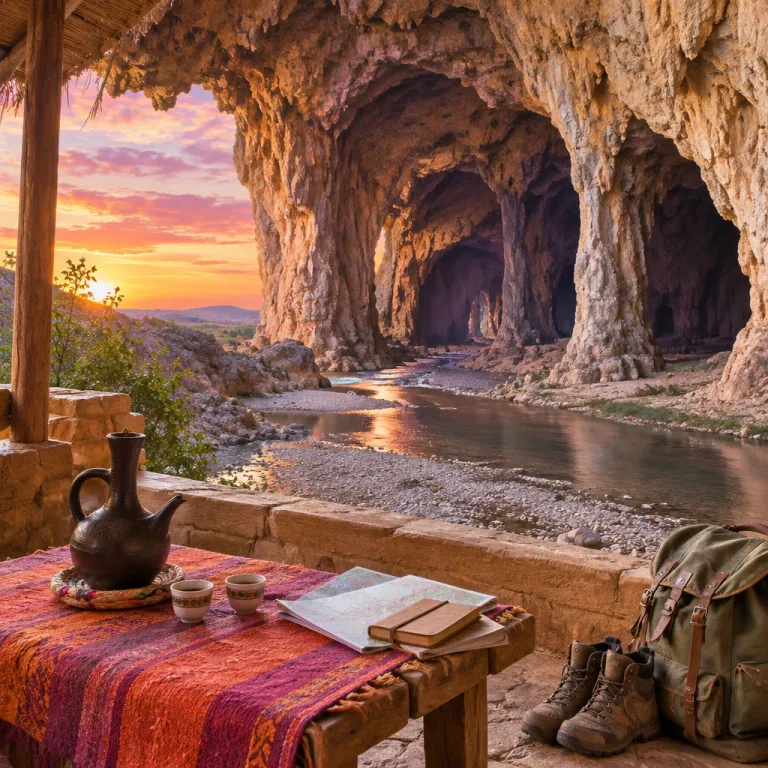
Why Sof Omar belongs on your Ethiopia adventure map
Sof Omar sits quietly in the Bale Zone of southeastern Ethiopia, far from the big safari circuits that dominate conversations about Africa. Here the Weib River has carved one of the most extensive underground cave systems in Ethiopia, a natural cathedral of stone that feels both intimate and immense. For travelers planning a thoughtful Sof Omar trip, this is the kind of place where moving slowly pays off in ways no summit selfie ever will.
The main cave entrance opens onto a cool underworld where the river disappears into limestone, then reappears in a sequence of passages, chambers and arches. Inside cave sections feel almost architectural, with the famous Chamber of Columns rising like a forest of stone pillars shaped by water and time. You walk through parts of the cave system where the sound of the river softens, and the only rhythm is your own footsteps echoing in the dark.
Locals speak of Sof Omar as both a natural wonder and a Muslim holy site, linked to the story of a holy man named Sheikh Sof Omar Ahmed. Oral histories say this man lived near the Weib River and used the caves as a place of retreat and prayer, and that legacy still shapes how Omar Cave is experienced today. When you visit, you are not just entering a cave in Ethiopia; you are stepping into a layered landscape where geology, faith and everyday life share the same passages.
The cave system, the river and the quiet drama underground
Once you pass the first cave entrance, the scale of the cave system becomes clear in the way the Weib River threads through the darkness. Some passages are wide enough to feel like underground boulevards, while other parts of the cave narrow to intimate corridors where you will walk single file. Sof Omar is often described as one of the longest caves in Africa, with more than 15 kilometres of mapped tunnels, and you feel that length not as a statistic but as a slow unfolding of spaces, turns and unexpected openings.
The Chamber of Columns is the emotional heart of many Sof Omar cave tours, a hall where natural limestone pillars rise like a stone forest. Here, filtered light and the sound of distant water create a mood that feels closer to a sanctuary than a sightseeing stop. It is easy to understand why a Muslim holy narrative grew around this place, and why generations of pilgrims have treated Omar Caves as a living shrine rather than a geological curiosity.
Because the cave system follows the river, water levels matter, especially during the rainy season when some passages can become challenging or temporarily inaccessible. Responsible guides will read the river carefully, adjust routes and keep you away from parts of the cave where currents run too strong. For travelers who value low impact, slow tours and a sense of intimacy with the landscape, this is exactly the kind of natural theatre that rewards patience and respect.
From Bale Mountains to Sof Omar: pairing wolves, highlands and stone
Most travelers reach Sof Omar as an extension of a Bale Mountains trip, using Goba or Robe as staging points before heading east toward the cave. The high plateau of Bale, with its Ethiopian wolf habitat and long horizons, contrasts sharply with the underground world of Sof Omar, yet both feel part of the same quiet, highland drama. If you plan your Sof Omar visit carefully, you can move from mountains trekking on the Sanetti Plateau to the cool shade of Omar Caves in a single, unforgettable arc.
Think of it as a slow corridor across Ethiopia, where each stop adds another layer to your understanding of the country’s geography and culture. One route links Addis Ababa’s refined stays, the Bale highlands, Sof Omar and then onward to the Rift Valley lakes around Arba Minch, where elevated lodges above the twin lakes offer a softer landing after the cave system’s intensity. For detailed lodging ideas in the south, our guide to where to stay in Arba Minch and its lodges above the twin lakes helps you match your appetite for adventure with the right level of comfort.
Ambitious travelers sometimes weave Sof Omar into a broader circuit that also includes the Simien Mountains in the north and even the Danakil Depression in the far northeast, treating Ethiopia as a continent in miniature. In that context, Sof Omar becomes the quiet counterpoint to the Simien Mountains’ cliffs and the Danakil Depression’s volcanic heat, a place where you explore cave passages instead of chasing summits. The key is to give each landscape enough time, resisting the urge to rush from one big name to the next.
Luxury stays for a slow adventure around Sof Omar
Luxury around Sof Omar is not about marble lobbies at the cave entrance; it is about thoughtful bases in Bale and Addis Ababa that let you move slowly and well. In Addis, refined hotels with strong Ethiopian identity make ideal bookends for a Sof Omar itinerary, especially when you choose properties that understand early departures, gear storage and the realities of long drives. Our curated overview of refined stays in Addis Ababa highlights luxury hotels in Ethiopia that pair strong service with a sense of place, rather than anonymous international styling.
Closer to the cave system, you will find a smaller selection of premium lodges and guesthouses around Goba and Robe, where comfort is measured in hot water reliability, good mattresses and flexible meal times. These are the places where staff will pack breakfast for a dawn departure, arrange private tours with trusted local guides and help you read the latest conditions on the Weib River. When a team knows the difference between a casual visit and a serious explore cave day, your experience shifts from improvised to intentional.
For travelers building a longer Ethiopia journey, it can be rewarding to balance Sof Omar with other hidden luxury pockets such as the western frontier around Gambella. Our guide to refined stays and hidden luxury in the Gambella region shows how riverfront lodges and wildlife rich wetlands can sit comfortably alongside cave systems and highland plateaus in a single, coherent trip. In every case, the most satisfying itineraries treat luxury as a way to travel more lightly and attentively, not as a barrier between you and the landscapes you came to see.
How to experience Sof Omar safely and meaningfully
Stepping inside cave passages at Sof Omar is a sensory shift, and going with the right guide turns that shift into a calm, confident experience. Look for local specialists who know each part of the cave system, can explain which sections are safe in the rainy season and understand the site’s religious significance. A good guide will pace the walk, manage light levels and help you notice details like fossil traces, subtle airflow changes and the way water has sculpted chamber columns over time.
Footwear matters more than gear lists suggest, because you will walk on uneven rock, damp sand and occasional shallow water crossings. Closed shoes with good grip, a light layer for the cool air inside the cave and a reliable headlamp make the difference between a tense shuffle and a relaxed, immersive tour. Always carry enough drinking water, even though you are following a river, and remember that the best Sof Omar days feel unhurried, with time to pause, listen and simply stand still in the dark.
Respect for the Muslim holy traditions around Sof Omar is as important as respect for the natural cave system itself. Dress modestly, ask before photographing people and treat prayer areas with the same care you would offer in any active place of worship. When you align safety, cultural sensitivity and a slow pace, Sof Omar stops being just another cave in Ethiopia and becomes a quiet, enduring chapter in your personal Africa story.
Slow adventure ethics: why Sof Omar rewards patience
Slow adventure at Sof Omar is about trading speed for depth, letting the cave system, the river and the surrounding communities set the rhythm of your trip. Instead of racing through a checklist of Omar Caves, you might spend a full day exploring only a few passages, returning to the same chamber columns at different times to feel how the light and sound change. This kind of travel is less about how many places you visit and more about how fully you inhabit each one.
For solo travelers, especially, there is a quiet luxury in having the time and space to read the landscape, talk with your guide about how the man lived here in earlier generations and understand why Sof Omar remains a Muslim holy site. You may hear stories of Sof Omar Ahmed, sometimes called Omar Ahmed in local retellings, and how his presence still shapes rituals along the Weib River. These narratives turn a geological wonder into a living cultural space, where extensive underground passages are woven into everyday belief.
Ethical Sof Omar travel also means choosing operators who limit group sizes, respect seasonal closures and avoid pushing into unsafe parts of the cave during the rainy season. When you support such practices, you help ensure that future travelers will still be able to explore cave sections safely, just as you did. In a country where mountains trekking in the Simien Mountains and extreme heat in the Danakil Depression often dominate adventure headlines, Sof Omar quietly makes the case that the most lasting journeys are sometimes the ones taken at walking pace, underground, with only the sound of water for company.
FAQ
How do I reach Sof Omar from Addis Ababa?
Most travelers reach Sof Omar by flying from Addis Ababa to Robe or Goba, then continuing by road with a local driver and guide. The drive from Bale Zone towns to the cave entrance typically takes three to four hours on mixed road conditions, so plan a full day for the journey. Always check current access, road quality and any permit requirements with your hotel or operator before you travel.
Is Sof Omar suitable for solo travelers interested in luxury stays?
Solo travelers can comfortably include Sof Omar in a luxury focused Ethiopia itinerary by using high end hotels in Addis Ababa and quality lodges around Bale as bases. Private tours with vetted local guides provide safety inside the cave system while allowing you to move at your own pace. Many premium properties can arrange transfers, guides and tailored cave tours that match your comfort level.
When is the best time to visit Sof Omar considering water levels?
The dry months are generally the most reliable time to visit Sof Omar, because lower water levels in the Weib River make more passages accessible. During the rainy season, some parts of the cave can flood or become slippery, and responsible guides may shorten routes for safety. Always ask your operator for up to date information on water conditions before finalizing your plans.
How physically demanding is a Sof Omar cave tour?
A standard Sof Omar tour involves several hours of walking on uneven terrain, with some steps, low ceilings and occasional shallow water crossings. You do not need technical caving skills, but reasonable fitness, good balance and comfort in low light environments are important. If you prefer a gentler experience, ask your guide to focus on shorter sections and the main chambers rather than the longest routes.
Can I combine Sof Omar with other major Ethiopian landscapes?
Yes, many travelers pair Sof Omar with the Bale Mountains for highland wildlife, then continue to other regions such as the Simien Mountains or the Danakil Depression on longer trips. The cave system offers a cool, contemplative counterpoint to these more extreme landscapes, balancing your overall experience. Careful planning with a knowledgeable operator or using curated hotel guides helps you sequence flights, drives and stays efficiently.