Meskel festival Addis Ababa: what actually happens on the ground
Meskel festival Addis Ababa is first and foremost a religious commemoration in Ethiopia, not a staged performance for visitors. On 27 September the capital city slows, streets close around Meskel Square, and the entire day orbits the Ethiopian Orthodox remembrance of the Finding of the True Cross. For a couple planning a highland trip, understanding this rhythm is the key to a respectful and rewarding experience.
The story behind Meskel reaches back to saint Helena in the fourth century and her vision that led to the finding of the True Cross of Jesus Christ. Ethiopian Orthodox tradition holds that smoke from a bonfire guided her to the place where the cross buried in Jerusalem lay, and this narrative shapes every element of the modern celebration. When you stand in Addis Ababa during the festival, you are stepping into a living strand of cultural heritage that locals see as part of the wider heritage of humanity.
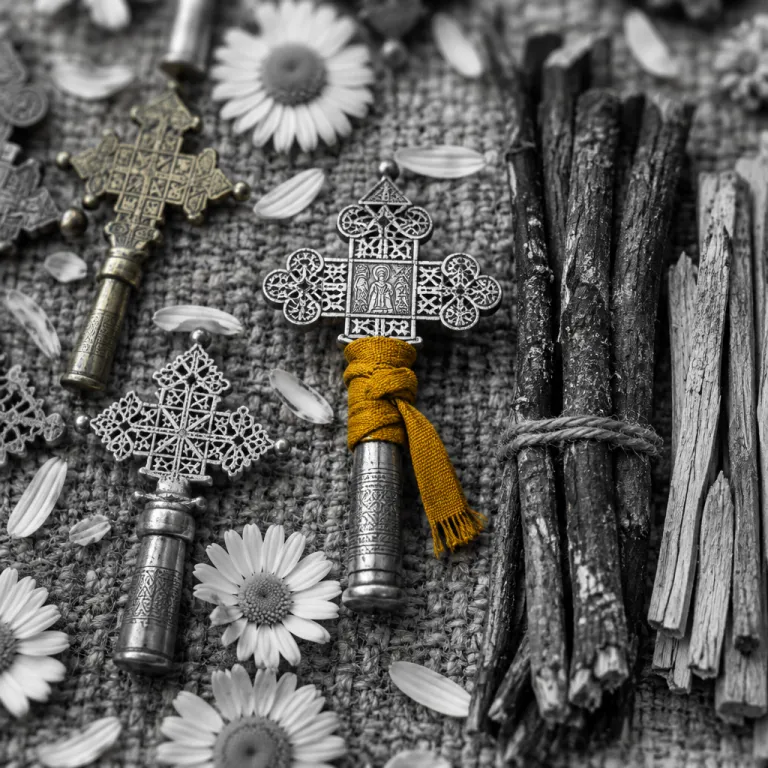
In the capital city, the eve of Meskel is dominated by the Demera, the towering bonfire built at the heart of Meskel Square. Clergy from every major church in Addis process towards the square carrying hand crosses, umbrellas and icons, while choirs chant and sway in a slow, hypnotic rhythm that feels uniquely African yet unmistakably Christian. As the sun drops, the Demera is blessed, torches are raised, and the fire ignites in a blaze that turns the smoke and ash into a powerful symbol of discovery true to the original story.
Locals watch closely to see which way the Demera collapses, reading the fall of the cross shaped structure as a sign for the coming agricultural season. For visitors, this moment is the emotional core of the Meskel festival in Addis Ababa, when the line between spectacle and spiritual experience becomes very thin. You are witnessing a festival Meskel that has been inscribed by UNESCO as an item of intangible cultural heritage, yet it remains deeply personal for every family gathered around you.
The following morning, the celebration continues in churches across Addis and northern Ethiopia, with liturgies, incense and processions of crosses that feel more intimate than the vast crowd at Meskel Square. Many couples choose to attend an early Ethiopian Orthodox service near their hotel, then wander slowly through the city as choirs spill into the streets and children play with small handmade crosses. This is the quieter side of experience Meskel, when you can feel how the festival threads through everyday life rather than just the grand public ritual.
Where to stand, when to arrive, and how Meskel differs across Ethiopia
For the main Meskel festival Addis Ababa gathering, aim to reach Meskel Square by mid afternoon to secure a good vantage point. The square fills from the northern and southern sides as parish groups arrive, and the best balance of atmosphere and comfort usually sits on the raised terraces facing the Demera cross. From here you can watch the full arc of the celebration, from the first orthodox choirs to the final sparks of the bonfire.
Security is tight but calm, and respectful patience goes a long way at this time, especially when the Ethiopian Orthodox clergy begin their slow approach from the church side of the capital city. Dress modestly, cover shoulders and knees, and remember that the cross of Jesus Christ is not a prop but a sacred symbol for every worshipper around you. When the Demera is lit, stay still, avoid pushing forward, and let the crowd’s movement guide your own experience of the festival.
Regional variations add another layer of culture to any Meskel focused trip through Ethiopia. In northern Ethiopia, particularly around Gondar and the historic church towns, the celebration can feel more medieval, with stone streets, castle silhouettes and processions of hand carved crosses that echo centuries of Christian devotion. Further south, smaller towns may build their own Demera bonfires, creating a more local experience Meskel where you can see how the story of the true cross is woven into village life.
Couples with time in September sometimes pair Meskel with Enkutatash, the Ethiopian New Year that falls roughly two weeks earlier, creating a single highlands trip that captures two major festivals. That kind of itinerary lets you feel the shift from the optimism of a new year to the solemn yet joyful remembrance of the cross buried and then revealed. If you are travelling with children or extended family, consider combining Meskel in Addis Ababa with a responsible cultural journey to the south, using a carefully planned Omo Valley visit with children as a contrasting window onto Ethiopia’s wider cultural mosaic.
Wherever you go, remember that Meskel is a Christian religious rite rooted in the story of saint Helena and the finding true cross, not a generic Africa themed festival. Ask your hotel concierge which nearby church community they belong to and whether guests are welcome to observe their local Demera preparations. That small act of curiosity often leads to invitations into courtyards, coffee ceremonies and family level celebrations that reveal the intangible cultural depth behind the public spectacle.
Photography, etiquette, and how to be a respectful witness
Meskel festival Addis Ababa is one of the most photogenic events in Africa, but it is also one of the most sacred for Ethiopian Orthodox believers. The gold embroidered robes, the clouds of incense and the glow of the Demera against the dusk sky can tempt any traveller to chase the perfect shot. Your challenge is to balance that impulse with a deep respect for the cross and for the people whose faith animates the celebration.
As a rule, avoid photographing faces in moments of intense prayer, especially when the clergy raise the cross of Jesus or when worshippers bow towards the true cross relics carried from the church. Step back during blessings, lower your camera when the crowd crosses themselves, and never push forward towards the clergy line at Meskel Square. If you want close portraits of deacons or choir members, ask permission with a smile and a gesture, and accept a polite refusal as part of the experience Meskel.
Tripods are rarely welcome in the densest part of the crowd, so plan for handheld low light photography and keep your equipment minimal. Many luxury hotels in Addis Ababa can arrange access to private balconies overlooking the square, which offer a calmer vantage point for capturing the Demera and the cross shaped structure as it burns. This is also where you can quietly reflect on the story of the cross buried and then revealed, and on how a fourth century legend has become a living piece of cultural heritage in modern Ethiopia.
Remember that Meskel is recognised by UNESCO as an item of intangible cultural heritage of humanity, which raises the stakes on how visitors behave. You are not just photographing a festival Meskel ; you are entering a space that locals see as part of their shared heritage humanity, passed down through generations of Ethiopian Orthodox practice. If you want to deepen that understanding, pair your Meskel trip with a stay at a highland lodge that focuses on cultural immersion, using guides who can also speak about Ethiopia’s evolving coffee culture and the country’s push towards origin tourism, as explored in our analysis of Ethiopia’s record coffee harvest and modernisation.
Small gestures matter on the ground during Meskel in Addis Ababa. Keep your voice low during prayers, avoid eating in front of fasting worshippers, and follow the lead of local couples who often hold hands quietly as the Demera burns rather than treating it as a loud party. In doing so, you honour both the Christian narrative of the finding true cross and the broader Africa wide respect for sacred time and space.
Where to stay for Meskel in Addis and how to book well
For Meskel festival Addis Ababa, location is everything, and the best luxury and premium hotels near Meskel Square sell out months in advance. Couples who want to walk to the celebration rather than drive through traffic should focus on properties in the central districts of the capital city. From there you can reach the square, a nearby church and several key cultural sites on foot, turning the festival into the anchor of a wider urban experience.
Look for hotels that understand the rhythm of Ethiopian Orthodox feast days and can advise on timing, security and transport around the Demera. A strong concierge team will know which streets close first, where to position you for a clear view of the cross and how to arrange a driver who can navigate the post festival traffic calmly. Some properties even host quiet pre Meskel briefings, explaining the story of saint Helena, the cross buried and the symbolism of the smoke that guided her to the true cross.
Many travellers pair a few nights in Addis Ababa with a follow on stay in northern Ethiopia, using the festival as a gateway into the country’s deeper Christian heritage. From the rock hewn churches of Lalibela to the castle complex of Gondar, you can trace how the story of the cross of Jesus Christ shaped architecture, art and daily worship. For couples who enjoy combining culture with landscape, our guide to Ethiopia’s elevated highland lodges and wildlife journeys shows how a Meskel focused trip can flow into a wider exploration of Africa’s only uncolonised highland nation.
Booking strategy matters because Meskel falls at a pleasant time of year in the highlands, when evenings in Addis are cool and clear. Aim to secure your room at least three to six months ahead, especially if you want a view towards Meskel Square or easy access to a major church. Use a platform that specialises in Ethiopia and understands the nuances of festival Meskel dates, local traffic patterns and the specific needs of couples seeking both romance and cultural immersion.
Think of your hotel not just as a place to sleep but as a lens onto the celebration. The right property will arrange transfers to and from the square, suggest a nearby parish where you can attend a quieter service, and perhaps even host a post Demera coffee ceremony that lets you process what you have seen. In that setting, the story of the finding true cross, the role of saint Helena and the continuity of Ethiopian Orthodox faith across centuries become more than abstract history ; they become part of your own journey through Ethiopia’s layered cultural heritage.
FAQ
What is the Meskel festival in Addis Ababa actually commemorating ?
Meskel festival Addis Ababa commemorates the Finding of the True Cross associated with saint Helena in the fourth century. Ethiopian Orthodox tradition holds that a bonfire’s smoke guided her to the place where the cross buried in Jerusalem lay. The celebration in the capital city centres on this story, expressed through the Demera bonfire, processions of crosses and church services.
When should I arrive in Addis Ababa to experience Meskel properly ?
To experience Meskel festival Addis Ababa fully, plan to arrive at least two days before 27 September. This timing lets you adjust to the altitude, visit key churches and watch the early stages of the Demera construction at Meskel Square. Staying several days after the festival also allows time to explore northern Ethiopia or other cultural hotspots without rushing.
Is Meskel safe and appropriate for foreign visitors to attend ?
Meskel in Addis Ababa is generally safe for foreign visitors who follow local guidance and respect the religious nature of the festival. Security is visible around Meskel Square, and hotels in the area are used to helping guests navigate crowds and traffic. Dress modestly, avoid disruptive behaviour near the clergy and follow instructions from police and stewards.
Where are the best places to stay for Meskel in Addis Ababa ?
The best places to stay for Meskel festival Addis Ababa are luxury and premium hotels within a short drive or walk of Meskel Square. Central districts give you easy access to the main celebration, nearby churches and key cultural sites. Because demand is high in September, book well in advance and request rooms with convenient access rather than focusing only on views.
Can I combine Meskel with other cultural experiences in Ethiopia on one trip ?
Many travellers combine Meskel festival Addis Ababa with visits to northern Ethiopia’s historic sites or with journeys to the south. A common pattern is to attend the Demera and church services in the capital city, then fly to Lalibela or Gondar to explore Ethiopia’s Christian heritage in depth. Others pair Meskel with Enkutatash earlier in September, creating a single trip that captures two major celebrations in the Ethiopian calendar.