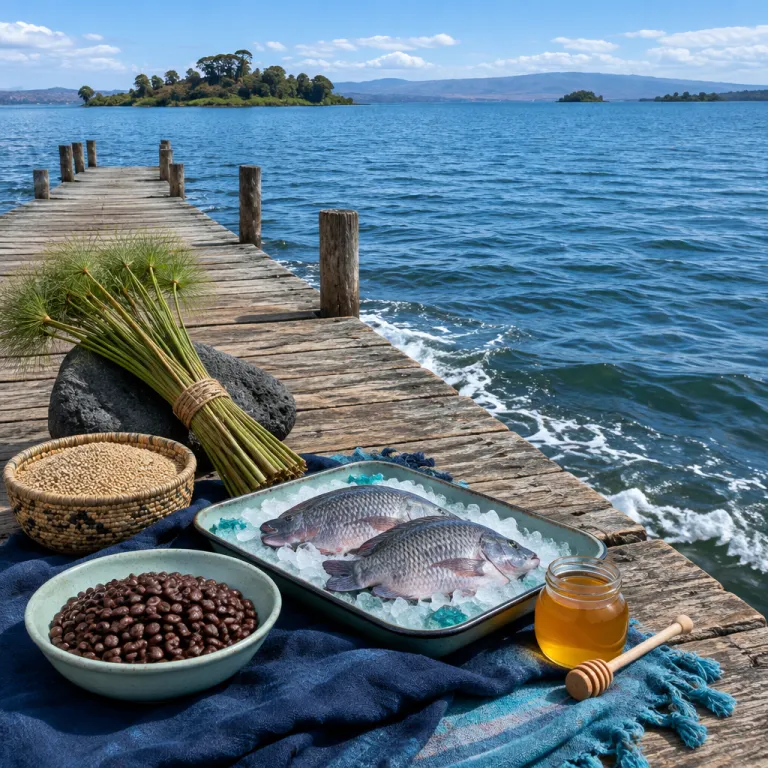
Lake Tana’s location and why it matters for luxury travellers
Lake Tana sits in north western Ethiopia, forming a serene inland sea in the Amhara region. This vast body of water is the largest lake in Ethiopia and the official headwater source of the Blue Nile River, which makes its position uniquely important in Africa and for any traveller planning a refined journey. When you look at a map of Lake Tana in relation to Bahir Dar, Gondar, and the surrounding Ethiopian highlands, you see how one lakeside stay can unfold into several layered experiences.
The lake stretches for about 84 kilometres from north to south, with tranquil water framed by soft, green highlands and distant escarpments. This setting in the western Ethiopian plateau means you can combine lakeside relaxation with excursions into historic Gondar and other highland towns in a single itinerary. For guests using a premium hotel booking website focused on Ethiopia lake destinations, understanding where Lake Tana sits helps you judge transfer times, boat schedules, and how long to spend on each river or island excursion along this part of the Nile basin.
From Bahir Dar airport to the shore of Lake Tana, the drive usually takes less than half an hour. That short transfer time is crucial when you want to maximise life on the water without sacrificing comfort or rest. Many luxury properties now publish exact coordinates and transfer durations, so you can plan your history-themed excursions to churches and monasteries around the lake with confidence and still return in time for sunset over the water.
Choosing luxury and premium stays around lake Tana
High-end hotels around Lake Tana cluster mainly along the northern and eastern shores, close to Bahir Dar. This north western Ethiopia hub offers the best combination of airport access, calm water, and views towards the Ethiopian highlands, which matters when you are choosing between several premium properties. When you compare options on a luxury booking platform, focus on how each hotel uses its lake frontage and access to the Blue Nile, not just on room size or décor.
Some lakeside resorts position their suites only a few metres from the water, so you wake to the gentle slap of waves and the sight of blue light over the largest lake in Ethiopia. Others sit slightly above the lake level on landscaped terraces, which gives a wider panorama of islands, monasteries, and the distant western Ethiopian hills. For travellers who also want mountain air and trekking in the wider Ethiopian highlands, it is easy to pair a stay here with elevated escapes in the Bale Mountains, using a specialist itinerary such as the one described in this guide to luxury minded travel in the Ethiopian highlands.
When assessing a hotel near Lake Tana, look for private jetties, small boats for tailored journeys, and guides who understand both natural species and cultural heritage. A refined property should help you reach key sites on the Blue Nile and around the Tana source areas at the right time of day, avoiding crowds and harsh light. The best Ethiopia freshwater retreats also integrate local materials and Ethiopian art, so your time by the Nile River feels rooted in place rather than generic.
Monasteries, islands, and cultural heritage on lake Tana
The islands of Lake Tana hold some of the most important churches and monasteries in Ethiopia, many of them centuries old. These religious communities sit on forested islands and peninsulas, reached by boat across calm blue water that reflects the Ethiopian highlands and the changing sky. For travellers, the combination of Lake Tana’s location, layered history, and living religious life creates a rare kind of journey through both spiritual and cultural Africa.
From Bahir Dar, boat trips fan out across the lake surface towards sites including the Zege Peninsula, Kibran Gebriel, and Daga Estifanos. Each island monastery has its own story, with painted church walls that depict scenes from Ethiopian Christianity and the wider history of life along the Nile. When you book through a premium Ethiopia lake focused platform, you can often arrange private boats that leave early, reaching monasteries before larger groups arrive and giving you more time with local clergy and guides.
Thoughtful itineraries balance visits to churches and monasteries with quiet moments on the shore, where bird species including pelicans, herons, and African fish eagles thrive. One local boat captain describes dawn on the lake as “the time when the monasteries wake and the birds take over the sky,” a reminder that human devotion and natural rhythms share the same water. Families and small groups often appreciate curated routes such as the detailed three day program in this guide to monasteries and papyrus boats on lake Tana. By choosing hotels that respect local cultural heritage and support island communities, your stay at Lake Tana Ethiopia becomes part of a wider story rather than a simple river excursion.
The Blue Nile, Tis Abay falls, and the meaning of “source”
Lake Tana is widely recognised as the primary source of the Blue Nile, which itself is a major tributary of the Nile River in Africa. From the outlet near Bahir Dar, the Blue Nile flows out as a relatively narrow river, then widens and drops over basalt cliffs at Tis Abay, often called the Blue Nile Falls. Travellers staying at luxury hotels along the lakeshore can arrange half-day or full-day journeys to this dramatic section of river, combining viewpoints with short walks through farming villages.
The phrase “Tana source” or “source blue” can be confusing, because hydrologists sometimes debate which upstream streams in the Ethiopian highlands should count as the ultimate origin. For visitors, what matters is that the outflow from Lake Tana marks the visible beginning of the Blue Nile’s long journey through Ethiopia, Sudan, and Egypt before it joins the White Nile. When you stand near the falls during higher water seasons, the power of the river makes the idea of time, history, and life along the Nile feel very immediate and tangible.
Many premium Ethiopia freshwater lodges now offer guided excursions that explain how the lake, the river, and surrounding highlands support both wildlife species and human life. These tours often include context about western Ethiopian farming communities, traditional irrigation, and the role of the Nile River in regional politics and cooperation. When you plan through a specialist booking website, you can time your visit to the Blue Nile Falls to match both water levels and your preferred level of walking or hiking.
Seasonality, wildlife, and the rhythm of lake life
Understanding seasonality around Lake Tana helps you choose the right time for your trip. The Ethiopian highlands experience distinct wet and dry periods, which shape water levels in the lake, the flow of the Blue Nile, and the appearance of surrounding hills. Luxury travellers often prefer shoulder seasons, when the landscape is green, the air is clear, and hotel availability remains strong without the busiest crowds.
During wetter months, Lake Tana expands slightly, and the Nile River outflow grows stronger, which can make the Blue Nile Falls more impressive. In drier periods, boat access to some islands may require more time, but visibility for birdwatching and photography often improves. A well-designed Ethiopia lake itinerary will account for these shifts, ensuring that your journey to monasteries, islands, and western Ethiopian villages feels unhurried and in tune with local rhythms.
The lake supports a wide range of fish species, including endemic types that contribute to local food traditions and economic life. Bird species including ibises, kingfishers, and cormorants thrive along reed beds and rocky points, especially near quieter sections of shore away from Bahir Dar. When you select a premium property through a curated booking website, look for lodges that offer early morning boat outings, as this is the best time to experience both wildlife and the soft blue light over Tana Ethiopia.
Designing a wider Ethiopian highlands itinerary around lake Tana
Lake Tana rarely stands alone in a luxury Ethiopia itinerary, because its location connects naturally with other highland destinations. From Bahir Dar, it is a relatively short road journey to Gondar, where castles and churches extend the historical narrative you began among lake monasteries. Many travellers then continue into the higher Ethiopian highlands or towards Simien Mountains National Park, creating a circuit that blends water, culture, and dramatic peaks in one coherent journey.
For those interested in seasonal celebrations, planning around local holidays can add depth to your stay at Lake Tana. One useful reference is this guide to spending Ethiopian New Year in the highlands, which shows how festivals shape life in north western Ethiopia. By aligning your time at the lake with such events, you experience both the calm of the water and the energy of highland towns, from Bahir Dar’s lakeside promenades to Gondar’s historic squares.
When using a premium hotel booking website, look for itineraries that clearly map transfer times between Ethiopia freshwater destinations, including Lake Tana, Gondar, and other western Ethiopian or north western hubs. Clear mapping of distances and travel durations helps you avoid rushed days and ensures that each river or island excursion feels intentional. Over several days, the combination of Lake Tana, the Blue Nile, and the wider Ethiopian highlands creates a coherent journey through one of Africa’s most storied landscapes.
Key figures and practical statistics about lake Tana
- Lake Tana covers roughly 3,000 square kilometres, making it the largest lake in Ethiopia and one of the most significant Ethiopia freshwater bodies in Africa by surface area (data from the Ethiopian Ministry of Water and Energy, as cited in regional water resource reports and basin summaries).
- The lake sits at an elevation of about 1,800 metres above sea level, which means temperatures around the shore are generally milder than in many lowland parts of Ethiopia (information from the Ethiopian Meteorological Institute and climate summaries for the Ethiopian highlands).
- More than 30 islands are present on Lake Tana during higher water levels, with around 20 of them hosting churches, monasteries, or other religious sites that attract both pilgrims and cultural travellers (figures referenced by UNESCO in its documentation on the lake’s cultural heritage and monastic history).
- The Blue Nile Falls, located roughly 30 kilometres from Bahir Dar, can reach a height of about 40 to 45 metres during peak flow, although modern water management has reduced average discharge compared with historical records (data from hydrological studies by Addis Ababa University and related research on the Nile basin).
- Travel time from Bahir Dar airport to most luxury lakeside hotels on Lake Tana typically ranges between 15 and 30 minutes by road, which allows same-day connections from Addis Ababa without overnight transit (figures compiled from regional tourism operators and hotel transfer schedules).
FAQ about lake Tana location and luxury stays
Where exactly is lake Tana located in Ethiopia ?
Lake Tana lies in north western Ethiopia, in the Amhara region, with the main access city being Bahir Dar on the southern shore. The lake sits on the Ethiopian highlands plateau at about 1,800 metres above sea level. This strategic location makes it a natural hub for journeys that combine water-based excursions with visits to Gondar and other historic sites linked to the Blue Nile.
How do I reach lake Tana from Addis Ababa ?
The most efficient way to reach Lake Tana Ethiopia from Addis Ababa is by domestic flight to Bahir Dar, which usually takes around one hour. From Bahir Dar airport, road transfers to lakeside hotels typically require 15 to 30 minutes, depending on traffic and exact position along the shore. Premium hotel booking websites often arrange these transfers directly, ensuring a smooth start to your journey.
Is lake Tana a good base for visiting the Blue Nile falls ?
Yes, Lake Tana’s location makes it the ideal base for visiting the Blue Nile Falls, also known as Tis Abay. The falls lie about 30 kilometres from Bahir Dar, and most luxury hotels can organise half-day trips that combine short walks with viewpoints over the Nile River gorge. Staying on the lakeshore allows you to enjoy both calm water and the drama of the Blue Nile in a single stay.
What types of luxury hotels are available around lake Tana ?
Accommodation around Lake Tana Ethiopia ranges from upscale international-style hotels in Bahir Dar to intimate lakeside lodges with private jetties and tailored boat excursions. Many properties emphasise views over the largest lake in Ethiopia, access to monasteries and islands, and curated experiences focused on cultural heritage and wildlife species. When booking through a specialist Ethiopia lake platform, you can filter options by spa facilities, suite size, and proximity to key departure points on the river.
How many days should I spend at lake Tana on a premium itinerary ?
For a luxury-focused trip, three to four nights at Lake Tana usually allows enough time to visit several monasteries, take at least one Blue Nile excursion, and enjoy relaxed hours on the shore. Travellers combining Tana Ethiopia with Gondar or the Simien Mountains often extend to five or six nights in the wider region. This duration balances cultural depth, river journeys, and restorative time by the water without feeling rushed.