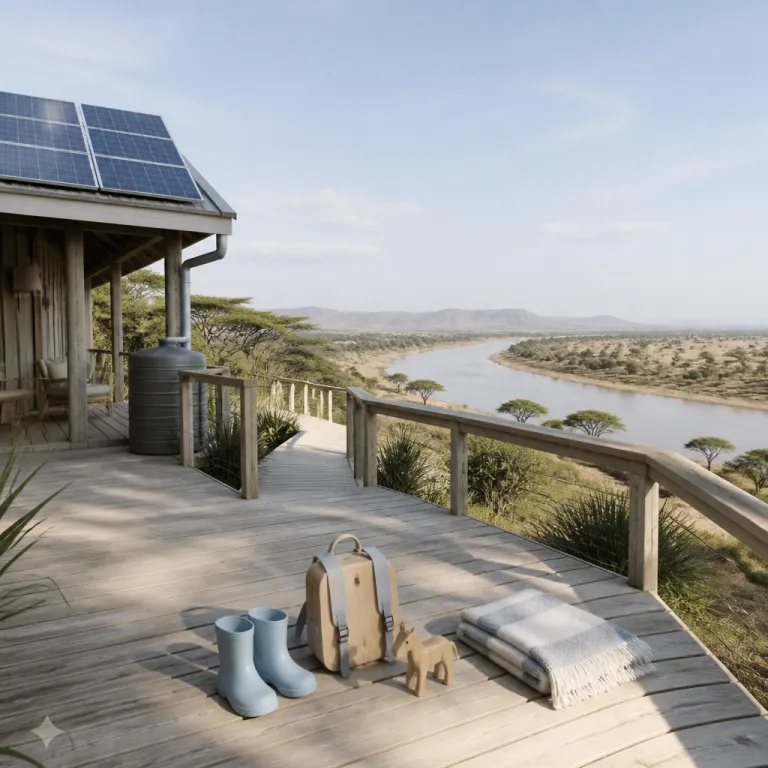
Why omo valley family travel ethiopia can work beautifully with children
Families often assume that omo valley family travel ethiopia is too intense for younger travelers. In reality, the region’s slow rhythm, open landscapes and deep sense of ritual can be profoundly grounding for children who are prepared well. When you frame your trip as a respectful cultural exchange rather than a checklist tour, the Lower Omo Valley in Ethiopia becomes one of Africa’s most meaningful classrooms.
The Lower Omo Valley is part of valley Ethiopia that holds UNESCO World Heritage status for its prehistoric significance, and this context helps older children understand why more than forty valley tribes have such strong ties to land and river. Parents planning omo valley family travel ethiopia should explain that each tribe has its own language, adornment and beliefs, and that a visit is a privilege rather than a performance. When children arrive with curiosity instead of judgment, tribal hosts usually respond with warmth, patience and a willingness to share daily life.
For a first trip to Ethiopia, many families start with a few days in Addis Ababa to adjust to altitude and time zone before flying south to Jinka or Arba Minch. This Addis to south Omo routing allows you to balance the intensity of valley tribal encounters with gentler city experiences such as the National Museum and a traditional breakfast lunch featuring injera and coffee ceremony. When you then fly on to the Omo Valley, the contrast between the capital and the valley tribes helps children grasp Ethiopia’s diversity without feeling overwhelmed.
Choosing bases and routes: Addis, Jinka, Arba Minch and beyond
Thoughtful routing is the backbone of any successful omo valley family travel ethiopia itinerary. Internal flights from Addis Ababa to Jinka or Arba Minch dramatically reduce long driving days, which is crucial when you are traveling with younger children who tire quickly. Once in the south Omo region, plan no more than one major valley tour activity per day so that children have time to rest at the hotel pool or simply watch village life unfold.
Jinka works well as a base for visiting several valley tribes, because road access to surrounding villages is relatively good and there are comfortable lodges with family rooms and reliable hot water. Arba Minch, by contrast, is better for families who want to combine culture with nature, since it offers access to Nech Sar National Park and boat trips on Lake Chamo as well as overland routes toward the Omo River. Many families choose to start in Arba Minch, spend a night or two exploring the lakes, then continue by 4x4 with a local guide toward the deeper south Omo communities.
Luxury in this part of Ethiopia is more about thoughtful hosting than marble lobbies, so focus on properties that understand family needs rather than chasing the most expensive name. For an example of how Ethiopian hospitality is evolving at the higher end, look at detailed reviews of a new generation of lodges such as the analysis of Haro Dandi Lodge in the piece on what Ethiopia’s newest flagship actually delivers. That kind of critical lens helps you evaluate whether a south Omo hotel or camp will genuinely support your family’s rhythm, from flexible meal times for breakfast lunch and early dinner to arranging patient local guides who are used to explaining tribal customs to children.
Which tribes and experiences suit families: reading the cultural temperature
Not every tribe or ritual in the Omo Valley is appropriate for children, so curation matters as much as logistics. Many families find that visiting markets and homesteads of valley tribes who are accustomed to guests, such as some communities near Jinka and Turmi, offers a gentler first encounter than more remote villages. When you work with experienced local guides, they will help you choose which tribe to visit on a given day based on ceremonies, mood and your children’s ages.
The famous bull jumping rite, for example, can be intense, crowded and sometimes fuelled by alcohol, which may not suit younger children even though older teenagers might find the ceremony unforgettable. Visits to the Mursi tribe also require careful thought, because the combination of long drives, strong visual impact of lip plates and a transactional photography culture can overwhelm sensitive travelers. A good local guide will often suggest starting with calmer valley tours, such as spending time with a family in south Omo who are happy to show how they grind grain, care for cattle or prepare lunch dinner, before moving on to more dramatic valley tribal events.
Ethical tourism is central here, and families should talk openly about it before and during their trip. Local Tour Operators often remind guests that "Respect local customs., Ask before photographing., Use licensed guides." and this guidance becomes even more important when children are the ones holding cameras. Choosing operators who prioritise community partnerships and who understand that omo valley family travel ethiopia is about mutual respect, not staged encounters, will shape how your children remember both Ethiopia Omo and their own role as guests.
For broader context on how responsible stays are reshaping the country’s hospitality scene, it is worth reading about why Ethiopia’s eco lodge generation will outlast short term hotel booms. The same principles apply in the Omo Valley, where smaller, community linked camps often provide the best balance of comfort, cultural access and long term benefit for tribal hosts.
Family friendly lodges, meals and daily rhythm in the Omo Valley
Accommodation in the Omo Valley ranges from simple guesthouses to well run lodges that understand what premium families quietly expect. You will not find the same level of polish as in Addis Ababa or at high end properties near the Simien Mountains, but you can absolutely secure clean rooms, mosquito nets, decent mattresses and a sense of calm after a long valley tour. The best family friendly hotels in south Omo also provide flexible meal times, early breakfasts and the option of packed lunches for long drives between valley tribes.
When comparing options, ask very specific questions about room configurations, hot water reliability, generator hours and whether they can provide child friendly versions of Ethiopian dishes alongside more familiar plates. A thoughtful lodge will happily adapt breakfast lunch to include eggs, fruit and plain bread for younger palates, while still serving rich local stews and injera for parents who want to engage fully with Ethiopia’s cuisine. For lunch dinner, many families appreciate a mix of grilled meats, vegetables and pasta, which keeps energy levels steady during demanding days of travel between Addis, Arba Minch and the Omo River corridor.
Because the region’s hospitality infrastructure is still developing, it helps to understand where investment is flowing across Ethiopia as a whole. Analyses of expansion plans, such as the breakdown of which destinations benefit from new properties in this overview of which Ethiopian destinations actually gain from major hotel projects, show that luxury remains concentrated in Addis Ababa and a few national park gateways. In the Omo Valley, that reality pushes families toward a different definition of best — prioritising safety, access to strong local guides and respectful relationships with tribal communities over thread counts or spa menus.
Health, safety and preparing children for a respectful visit Omo
Health planning for omo valley family travel ethiopia starts months before you board a flight to Addis Ababa. Consult a travel medicine specialist about vaccinations, malaria prophylaxis and how to manage heat, dust and occasional long drives in 4x4 vehicles. Pack a robust family medical kit, including oral rehydration salts, child safe pain relief, high factor sunscreen, hats and light long sleeved clothing that respects tribal norms while protecting from sun and insects.
Water safety is non negotiable, so rely on bottled or properly filtered water for drinking and tooth brushing, and be cautious with raw foods away from reputable lodges or restaurants in Addis, Arba Minch and Jinka. Families who are used to hiking at altitude in places like the Simien Mountains will find the lower elevation of the Omo Valley easier on the lungs, but the heat can be more draining, especially for younger children. Plan your valley tours so that the most intense village visits happen in the cooler morning or late afternoon, leaving the hottest hours for rest at the hotel or gentle drives along the Omo River.
Equally important is the cultural briefing you give your children before they meet any tribe. Explain that the valley tribal communities they will visit have their own rules about dress, touch and photography, and that a local guide is there to interpret not only language but also unspoken expectations. Role play how to greet elders, how to wait for permission before taking photos, and how to react calmly if they see body adornments or rituals, such as bull jumping, that feel unfamiliar or confronting.
Many parents also find it helpful to frame the Omo Valley trip within Ethiopia’s wider story, from the Orthodox churches of Addis Ababa to the highland farms that feed both city and valley Ethiopia. When children understand that Ethiopia Omo is one thread in a much larger national tapestry, they are more likely to approach each tribe with humility rather than exoticism. That mindset, supported by experienced local guides and carefully chosen overnight stops, is what turns a complex region into a transformative journey for the whole family.
Hidden gem experiences for families beyond the obvious valley tours
Once you have the core logistics of omo valley family travel ethiopia in place, you can start to weave in quieter experiences that rarely appear on standard itineraries. Ask your local guide whether it is possible to spend part of a day simply following one family’s routine, from milking cattle at dawn to preparing breakfast lunch over an open fire. Children often remember these unhurried hours more vividly than any formal valley tour, because they are invited into real domestic spaces rather than staged performances.
Another under appreciated option is to build in time at lesser known viewpoints or riverbanks along the Omo River, where you can sit with your guide and talk about how seasonal floods shape both wildlife and valley tribes’ movements. Short walks near villages, always arranged with tribal consent, allow children to notice details such as beadwork patterns, grain storage methods or the way shade trees become informal meeting places. These micro experiences, stitched between more structured visits Omo, give families space to process what they have seen and to ask thoughtful questions.
For families who have already explored other parts of Ethiopia, such as trekking days in the Simien Mountains or cultural stays near Lalibela, the Omo Valley offers a different kind of depth. Here, the best memories often come from conversations rather than viewpoints, from the moment a child realises that a friend in a valley tribal village also worries about school or siblings. By choosing overnight stays that keep you close to communities rather than isolated in distant compounds, and by working with local guides who understand both tribal etiquette and children’s attention spans, you create a trip that feels both ethically grounded and emotionally rich.
FAQ
Is the Omo Valley safe for children on a family trip ?
The Omo Valley can be safe for children when you plan carefully, travel with licensed local guides and choose reputable lodges or camps. Distances are long and conditions can be basic, so it suits families who are already comfortable with rural travel in Africa. Many operators now design specific valley tours for families, limiting daily driving time and focusing on calmer tribal encounters.
What is the best time of year for omo valley family travel ethiopia ?
The region is generally easier to access during the drier months, when roads are more reliable and river levels are predictable. Families often prefer these periods because long drives between Addis Ababa, Arba Minch, Jinka and south Omo villages become less tiring. In wetter months, some tracks can become muddy or impassable, which complicates visits to remote valley tribes.
How can we ensure a responsible and respectful visit with children ?
Choosing licensed guides and operators who prioritise community partnerships is the first step toward a responsible trip. Teach children to ask permission before taking photos, to dress modestly and to follow the lead of your local guide in every village. Paying fair fees for community visits and buying handicrafts directly from tribal artisans also supports the local economy in a transparent way.
Which tribes are most suitable for a first family visit Omo ?
Families often start with communities that are more accustomed to visitors and closer to established bases such as Jinka or Turmi. These valley tribes usually have clearer systems for hosting guests, which makes it easier to manage expectations around photography, payment and interaction. Your guide will assess which tribe is appropriate on a given day, taking into account ceremonies, mood and your children’s ages.
What should we pack for children on an Omo Valley tour ?
Pack light, breathable clothing that covers shoulders and knees, a wide brimmed hat, strong sunscreen and closed shoes suitable for dust and uneven ground. A personal water bottle, small daypack, simple games or notebooks and a basic medical kit help children stay comfortable during long drives and village visits. Many parents also bring printed photos or postcards from home, which can become gentle conversation starters when shared respectfully with tribal hosts.