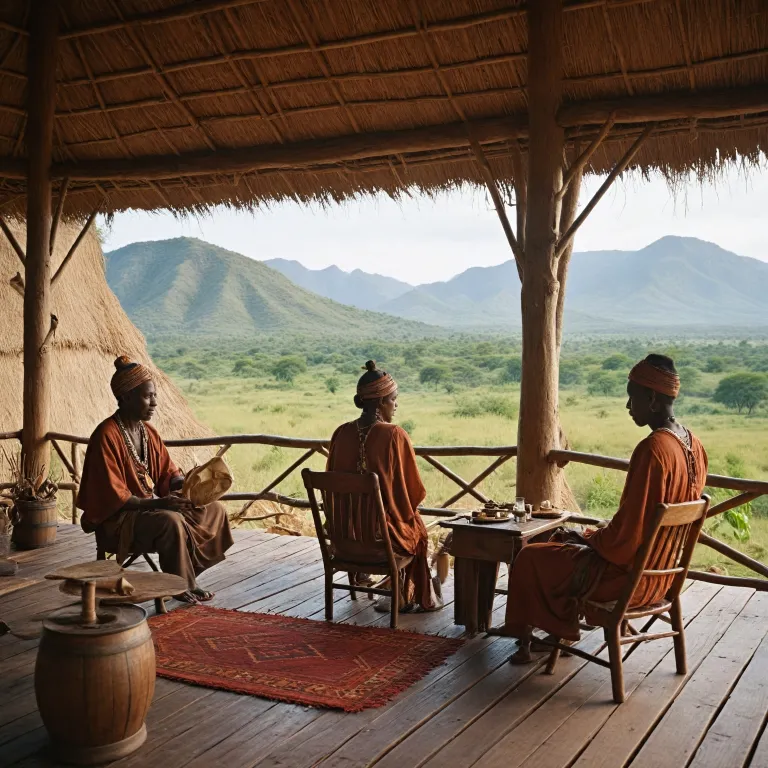
Luxury stays as a gateway to ethiopia omo valley
Planning a refined journey to ethiopia omo requires more than choosing a comfortable room. Luxury and premium hotel booking websites now shape how people understand the Omo River, the Lower Omo Valley, and the surrounding region before they even arrive. When used thoughtfully, a tourist hotel in Addis or in the south can become a respectful bridge between demanding travelers and the valley tribes who have lived here for generations.
The Omo River flows for about 760 km through southwestern Ethiopia, feeding Lake Turkana and sustaining many villages along its banks. A well curated hotel platform should explain how the river, the Lower Omo, and the South Omo region are intertwined with the daily life of each tribe and with national infrastructure such as the Gilgel Gibe III Dam. By presenting this context clearly, a premium booking site helps guests understand why their travel choices matter for local people, wildlife, and archaeological heritage.
The Lower Omo Valley is recognized globally for early hominid fossils and for the cultural richness of its valley tribes. When a traveler searches for the best hotel in Addis before a visit to the south, the website should already introduce the Omo Valley, the Omo River, and the valley travel conditions they will encounter. This approach turns a simple hotel search into the first day of a deeper journey, where each guide, each village, and each national park visit is framed with care and respect.
Designing premium booking journeys around omo valley cultures
For travelers heading to ethiopia omo, the booking journey should mirror the care they expect on site. A refined platform can group hotels by thematic experiences, such as river focused stays near the Omo River, cultural immersion with valley tribes, or wildlife oriented lodges close to a national park. Instead of a generic south Ethiopia category, a dedicated "Omo Valley and Lower Omo" path can guide people step by step from Addis to Arba Minch and onward.
Within this path, each hotel listing should explain how guests will visit nearby villages, which local guide or local guides support the experience, and how the property collaborates with valley tribes. When a traveler plans to visit Omo villages or attend a bull jumping ceremony with the Hamar tribe, the booking interface should clarify logistics such as driving time, day trip options, and the role of a certified local guide. This level of detail reduces uncertainty and encourages travelers to respect local customs during every visit.
Premium sites can also highlight how infrastructure like the Gilgel Gibe III Dam and the associated III Dam reservoir affect the Omo River and the Lower Omo region. By presenting balanced information about hydropower, valley travel routes, and the needs of people living along the Omo River, a booking platform shows that it understands the broader context. This transparency builds trust with guests who want the best possible stay while supporting responsible development in South Omo and beyond.
Balancing comfort and authenticity in south omo stays
Travelers often worry that luxury hotels in ethiopia omo might isolate them from authentic encounters with valley tribes. A well designed premium booking website can counter this by clearly explaining how each tourist hotel partners with local people, from the Hamar tribe to other valley tribes in South Omo. When guests see that their hotel works with village elders, employs local guides, and supports cultural initiatives, they feel more confident that comfort and authenticity can coexist.
Property pages should describe how guests will travel from Addis or Arba Minch to the Omo Valley, including realistic driving times and suggested day by day itineraries. For example, a three day stay might combine a visit to a village near the Omo River, a guided walk in a nearby national park, and time with a local guide learning about the impact of the Gilgel Gibe III Dam. By outlining such options, the platform helps travelers choose the best time allocation between relaxation at the hotel and meaningful time with people in the Lower Omo.
Authentic experiences such as a bull jumping ceremony or a broader jumping ceremony with the Hamar tribe should never be presented as staged entertainment. Instead, the booking site can explain cultural protocols, the role of valley omo communities, and why a respectful distance is essential. Clear messaging about photography, dress, and appropriate behavior in each village ensures that every visit Omo experience benefits both guests and hosts, while preserving the dignity of the tribe and the wider region.
Integrating archaeological heritage and natural landscapes into booking content
One of the deepest subjects for a luxury booking website in ethiopia omo is how to integrate archaeological heritage and landscapes into hotel storytelling. The Lower Omo Valley is a UNESCO World Heritage area where more than 230 hominid fossils have been documented, and this scientific importance should appear alongside hotel amenities. When travelers understand that their valley travel passes through a cradle of human evolution, they are more likely to treat each river crossing and village visit with care.
Hotel descriptions can reference nearby archaeological zones, the course of the Omo River toward Lake Turkana, and the broader South Omo region without turning the content into a lecture. A concise section about the Omo Valley, the Omo River, and the Gilgel Gibe III Dam can explain how energy production, research, and tourism intersect here. This is also the right place to include the verified statement : "The Omo River is crucial for its archaeological sites, diverse cultures, and hydroelectric potential."
Luxury travelers often appreciate curated reading lists, museum recommendations in Addis, and suggested stops near Arba Minch before they reach the Lower Omo. A booking site can link to in depth editorial pieces, such as an article on cultural fusion in high end Ethiopian stays, for guests who want more context about valley tribes and hotel design. By weaving these elements into the booking flow, the platform elevates each tourist hotel from a simple bed for the night to a thoughtful base for exploring the Omo Valley and its surrounding national park landscapes.
Ethical experiences with omo valley tribes and ceremonies
Ethical engagement with ethiopia omo communities is a central responsibility for any premium booking website. Many travelers are drawn to the Omo Valley by images of valley tribes, colorful adornments, and dramatic rituals such as bull jumping, yet they may not understand the meaning behind these practices. A responsible platform must explain that a jumping ceremony within the Hamar tribe is a rite of passage, not a show staged for visitors, and that respectful observation requires patience and guidance.
Detailed content should describe how local guides and local guides associations coordinate visits to each village, ensuring that people are consulted and compensated fairly. When promoting tour Omo packages or valley travel circuits, the site should clarify how many guests will attend a ceremony, how long they will stay, and what behavior is expected. This transparency helps travelers choose the best tour Omo option for their values, whether they focus on the Lower Omo, South Omo, or routes toward Lake Turkana.
Ethical messaging should also address the pressures created by photography, tipping, and rapid visit Omo itineraries that rush from one tribe to another. By encouraging longer day stays in fewer villages, and by recommending a trusted local guide for each valley omo segment, the platform supports deeper connections. Clear guidelines about the Omo River environment, the influence of the Gilgel Gibe III Dam and the III Dam reservoir, and the role of national park authorities further reinforce a culture of respect across the entire region.
From addis to arba minch and lower omo: crafting seamless premium itineraries
For many guests, the journey into ethiopia omo begins in Addis, where they choose a tourist hotel and finalize their route south. A sophisticated booking website can propose seamless itineraries that link Addis, Arba Minch, and the Lower Omo, combining flights, road transfers, and carefully selected hotels. By presenting these routes clearly, the platform reduces uncertainty about travel time, safety, and the best season to visit Omo villages along the Omo River.
Itinerary pages should outline how many day stages are needed between Addis and South Omo, where to stay near Arba Minch, and which national park visits pair well with cultural encounters. For example, a seven day circuit might include a night in Addis, two nights near Arba Minch, and several nights in the Omo Valley with a dedicated local guide. Along the way, travelers can learn about the Gilgel Gibe III Dam, the III Dam reservoir, and how hydropower shapes life for people in the valley tribes.
To support informed choices, the site can compare different tourist hotel standards, from intimate lodges near the Omo River to larger properties closer to Lake Turkana. It should also highlight how each hotel collaborates with valley omo communities, employs local guides, and supports conservation in nearby national park areas. By integrating editorial content, such as a feature on cultural fusion in luxury Ethiopian stays at this in depth article on cultural fusion in luxury and premium hotel booking websites in Ethiopia, the platform reinforces its expertise and commitment to responsible travel across the entire Omo Valley region.
Key statistics about the omo river and valley region
- The Omo River extends for approximately 760 km through southwestern Ethiopia before reaching Lake Turkana.
- The Gilgel Gibe III Dam on the Omo River has an installed power output of about 1 870 MW.
- Archaeological research in the Lower Omo Valley has documented more than 230 hominid fossils to date.
Essential questions about ethiopia omo travel and stays
What is the significance of the Omo River?
What is the significance of the Omo River? The Omo River is crucial for its archaeological sites, diverse cultures, and hydroelectric potential. Travelers booking premium hotels in the Omo Valley region should understand that this river supports villages, valley tribes, and national infrastructure, making responsible tourism especially important.
How does the Gilgel Gibe III Dam impact the region?
How does the Gilgel Gibe III Dam impact the region? The dam provides significant electricity but has raised concerns about environmental and social effects. When planning valley travel or tour Omo itineraries, guests should seek hotel partners and local guides who can explain how the III Dam influences water levels, agriculture, and daily life along the Omo River.
What cultures inhabit the Omo Valley?
What cultures inhabit the Omo Valley? The valley is home to various indigenous groups, each with unique traditions and lifestyles. Premium booking platforms should highlight how tourist hotel partners collaborate with these people, from the Hamar tribe to other valley tribes, ensuring that every visit Omo experience respects local customs and supports community priorities.
Trustful expert sources
- UNESCO World Heritage Centre
- Ethiopian Ministry of Tourism
- International hydropower and river basin research organizations