Lalibela churches travel for couples planning a first highland escape
Lalibela in northern Ethiopia is where faith, stone and light meet. For couples planning a first Lalibela churches travel experience, the town offers both spiritual intensity and quietly evolving luxury stays. The 11 rock-hewn churches traditionally attributed to King Lalibela anchor every trip, yet the way you move between them now defines whether your days feel rushed or deeply romantic.
The historic core sits at about 2 600 metres above sea level, so every church visit comes with thin air and long views. UNESCO recognises these hewn churches as a single sacred ensemble on its World Heritage List, but on the ground they fall into two main clusters that shape how many days you really need. Most first-time visitors underestimate the time required and try to compress both the northern Bete complex and the southern cluster around Bete Giyorgis into one churches day, which flattens the emotional arc of the journey and leaves little space for rest or reflection.
Think of Lalibela Ethiopia as a pilgrimage town first and a tourism town second. The Ethiopian Orthodox Tewahedo Church still leads dawn chants, and priests unlock ancient house-shaped shrines and manuscript libraries before the tourist rhythm begins. When you plan your Lalibela travel, you will want to align at least one day with the pilgrims’ timetable, because that is when the rock-hewn spaces feel most alive and the churches of Lalibela are more than monuments, a point echoed in UNESCO’s World Heritage listing and Ethiopian Orthodox sources.
Mapping the rock hewn churches: northern cluster, southern icons and sacred detours
The northern cluster of hewn churches is where most guided trips begin. Here you step down into Bete Medhane Alem and Bete Maryam, among the largest and most visited church spaces, some areas now framed by conservation structures that protect the rock. This is also where the quote from local custodians still rings true for any travel guide writer: “Lalibela is known for its 11 medieval rock-hewn churches,” a description repeated in the UNESCO World Heritage Centre summary.
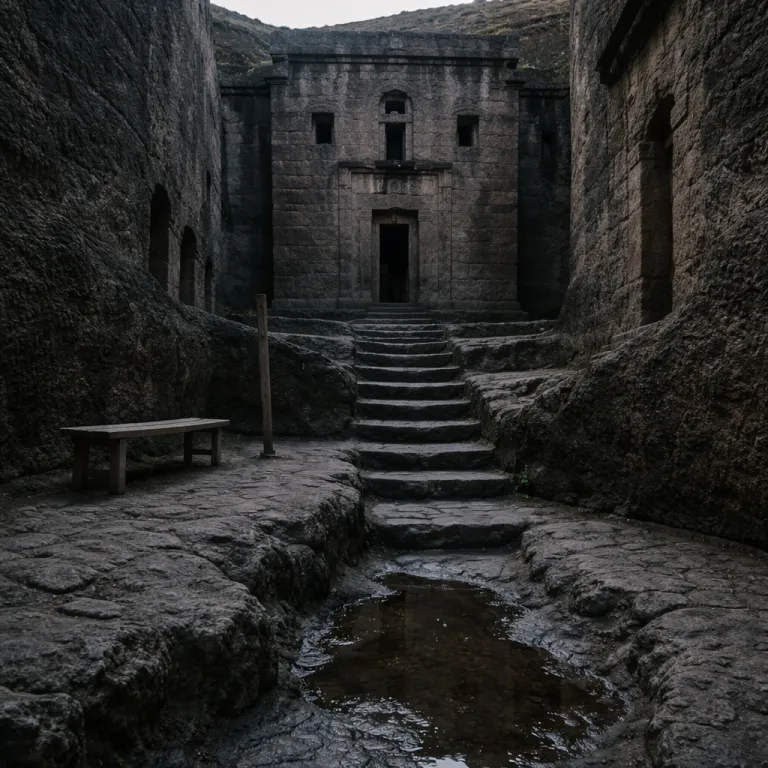
Each biete, or “house of God”, is carved from a single rock mass, so you walk through trenches rather than streets. Couples often move too quickly between Bete Gabriel-Rufael, Bete Golgotha and the smaller monastery-like chapels, not realising how much time the tunnels and stairways add. Plan at least one full churches day for this northern group, because the best time for photographs and quiet reflection rarely coincides with group trips that arrive from Bahir Dar or the Simien Mountains, and walking between churches can easily take 10 to 20 minutes per segment.
The southern cluster feels more intimate and culminates in Bete Giyorgis, the cross-shaped church that defines most images of Lalibela Ethiopia. From above, the rock-hewn form appears almost abstract, yet inside the church you will find a working sanctuary with chanting, incense and priests blessing travellers. Use a second day to visit Lalibela’s outlying sites such as the cave-and-timber church of Yemrehanna Krestos, a half-day trip through juniper forest that pairs beautifully with a later journey to Gondar city and its royal heritage stays described in the dedicated Gondar royal heritage guide; the drive from town usually takes around 90 minutes each way on a rough but manageable road, according to regional tourism offices and recent traveller reports.
Pilgrimage rhythm versus tourist rhythm: when and how to visit Lalibela
The most rewarding Lalibela churches travel itineraries respect the town’s spiritual clock. Tourist rhythm peaks from mid-morning to mid-afternoon, when day trips from Addis Ababa and larger groups from the Omo Valley or Bahir Dar arrive. Pilgrimage rhythm begins before sunrise, when local worshippers slip into each rock-hewn church with candles, white shawls and a pace that slows visiting couples into silence.
For couples, the best time to visit Lalibela is usually the dry season, when paths between the hewn churches stay firm and the highland light is clear. The dry season Lalibela months also align with major religious festivals, so your time visit may coincide with all-night services that spill out of each church house into the trenches. Ask your guide to balance festival energy with at least one quiet Sunday, when a single church day spent in Bete Maryam or Bete Gabriel-Rufael can feel like a private retreat, and check local parish announcements or the Lalibela church administration office for exact feast dates.
Guides matter more than ever because conservation work, new visitor rules and photography restrictions change regularly. A knowledgeable travel guide will help you navigate where shoes must be removed, which monastery libraries allow access and how to time incense-filled services without clashing with large trips. They also know when to steer you away from crowds so that your Lalibela travel includes unhurried moments in side chapels, rather than only the famous rock-hewn façades, and can brief you on current entry fees and ticket office opening hours published by the Lalibela church administration.
Where to stay in Lalibela: highland views, quiet luxury and thoughtful proximity
The town of Lalibela has shifted from simple guesthouses to a new generation of premium lodges. Mountain View Hotel still commands one of the best panoramas over the valley, giving couples a front-row seat to the changing light that defines every day in the highlands. Newer properties on the ridge offer more polished rooms and better sound insulation, while hotels closer to the churches trade some quiet for the ease of a short walk to each church and monastery, often under 15 minutes on foot.
When choosing where to stay, weigh proximity against atmosphere and service, especially if your trip includes several days in town. Couples who prioritise slow mornings may prefer a hillside house-style lodge, where breakfast arrives on a terrace and staff arrange private transfers for each visit to Lalibela rather than relying on taxis. Those who want to step out and be at Bete Medhane Alem or Bete Giyorgis within minutes will appreciate central hotels, even if the town’s energy reaches their windows earlier in the day and access roads can be busy around festival dates.
For a wider Ethiopia itinerary, many travellers pair Lalibela Ethiopia with refined stays in Addis Ababa, using a dedicated guide to luxury hotels in the capital to plan their first and last nights. You can explore how to plan a luxury stay in the capital city through a detailed Addis Ababa location and hotel planning guide on My Ethiopia Stay, then connect onward to the Simien Mountains or the Omo Valley for contrasting landscapes. Ethiopian Airlines links Addis Ababa to Lalibela with scheduled domestic flights that typically take around 45 to 60 minutes, so your Lalibela churches travel can sit elegantly between urban design hotels and remote highland lodges without wasting time on long road trips.
Designing a couple’s itinerary: days, detours and cultural depth around Lalibela
A thoughtful Lalibela travel plan for couples usually spans two to three days on the ground. One day focuses on the northern hewn churches, another on the southern cluster and Bete Giyorgis, and an optional third on outlying sites such as Asheton Maryam or Yemrehanna Krestos. This pacing allows time for coffee ceremonies, conversations with priests and unhurried walks through town, rather than a checklist of churches in Lalibela visited at speed, and matches the two to three day stay often recommended by Ethiopian tour operators.
Asheton Maryam sits above town and can be reached by vehicle and a short hike or by mule, rewarding couples with wide views over the rock plateau and a quieter monastery atmosphere. The church itself is partly hewn into the rock, and the journey there underlines why King Lalibela chose this highland region for his New Jerusalem vision. Many travellers say that a late afternoon visit, when the season Lalibela light softens and the day’s heat fades, becomes one of the best memories of their entire Ethiopia trip, though the steep path means it is less accessible for visitors with limited mobility.
Beyond Lalibela, you can link your travel to other cultural hotspots in northern Ethiopia such as Bahir Dar on Lake Tana or the Simien Mountains for dramatic trekking. Some couples continue to Axum or loop south toward the Omo Valley, using Lalibela as the spiritual anchor of a longer journey. Whatever route you choose, allow time for a final quiet church visit on your last morning, when the town slows and your own house of memories feels as carefully carved as the rock-hewn sanctuaries themselves; a simple two day sample itinerary might devote the first day to the northern cluster from early morning to sunset and the second to Bete Giyorgis plus either Asheton Maryam or Yemrehanna Krestos.
FAQ about Lalibela churches travel for couples
How many rock hewn churches are there in Lalibela and are they active
Lalibela has 11 rock-hewn churches, carved from solid volcanic rock using hand tools such as chisels and hammers. These hewn churches are not museums; they remain active places of worship under the Ethiopian Orthodox Tewahedo Church, with daily services and major festivals. Couples should plan at least one early morning visit to experience the churches as living sanctuaries rather than only architectural sites, a point confirmed by both local clergy and the UNESCO World Heritage Centre description.
How many days should a couple spend in Lalibela
Most couples find that two to three days in Lalibela strikes the right balance between depth and comfort. One full churches day is needed for the northern Bete complex, another for the southern group including Bete Giyorgis and nearby monastery sites, with an optional extra day for Asheton Maryam or Yemrehanna Krestos. This timing also leaves space for coffee ceremonies, market visits and relaxed evenings at your hotel, and mirrors the duration suggested by many Ethiopia-based tour companies.
What is the best time of year to visit Lalibela
The best time to visit Lalibela is usually during the dry season, when paths between the rock-hewn churches are less slippery and views are clearer. These months also coincide with major religious celebrations, which add intensity but also increase visitor numbers and hotel demand. Couples seeking quieter experiences may prefer shoulder periods within the same season Lalibela, when services continue but crowds thin slightly and accommodation prices can be more flexible.
How do you reach Lalibela from Addis Ababa and other Ethiopian highlights
Lalibela is most easily reached by domestic flight from Addis Ababa, with Ethiopian Airlines operating regular services that take under an hour according to current timetables. Many travellers combine Lalibela with Bahir Dar, Gondar, the Simien Mountains or even the Omo Valley, using Addis Ababa as the main hub. Road trips are possible but take significantly more time, so most luxury itineraries favour flights to maximise days on the ground, a pattern reflected in sample routes published by Ethiopian tour operators and airline schedules.
What should couples wear and how should they behave in the churches
Dress modestly with shoulders and knees covered, and be prepared to remove shoes before entering each church or monastery. Photography rules vary between churches in Lalibela, so always ask your guide or the priest before taking pictures, especially during services. Quiet voices, respectful distance from worshippers and a willingness to follow local customs will ensure your Lalibela churches travel feels both elegant and considerate, in line with etiquette guidelines shared by the Ethiopian Orthodox Church and regional tourism offices.