Ceremony as headline act in Ethiopia’s luxury hotels
Across Ethiopia’s top properties, the traditional coffee ceremony is moving from lobby sideshow to headline cultural experience. Since 2023, when the Ethiopian government confirmed its formal bid to have the buna coffee ritual recognised by UNESCO as Intangible Cultural Heritage, every serious Ethiopian coffee ceremony hotel in Addis Ababa and beyond has been rethinking how it stages this daily rite. For travelers, that means the way you drink a single cup of Ethiopian coffee inside a hotel now says as much about national culture and hospitality as any spa menu or suite category.
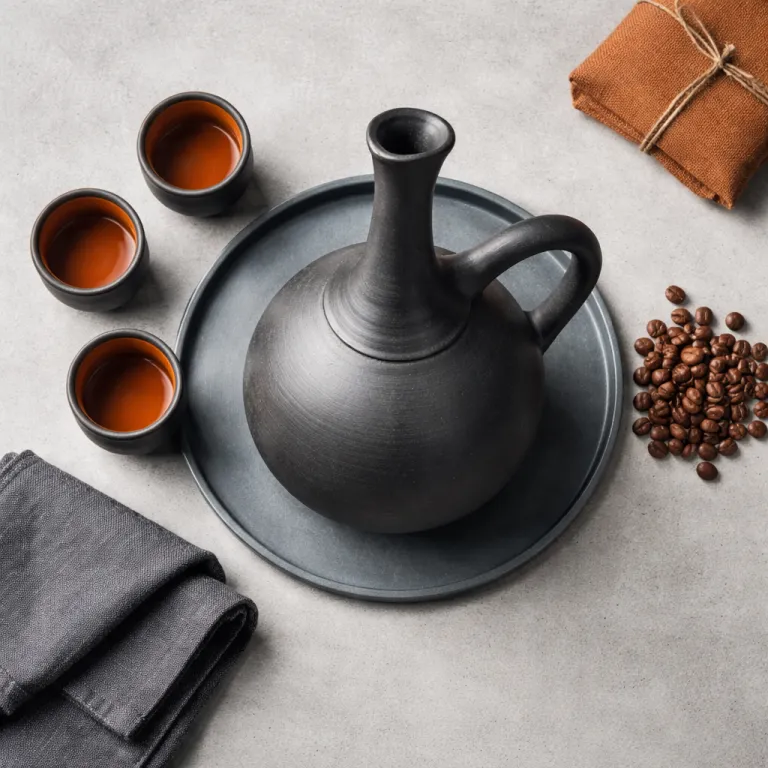
The fundamentals remain non-negotiable in the best hotels in Addis Ababa and regional cities across Ethiopia, where hosts still roast green Ethiopia coffee beans over a charcoal stove, grind them by hand, then brew them slowly in a jebena clay pot. In these settings, the Ethiopian coffee ritual unfolds over three times of pouring — abol, tona and baraka — with each round of traditional coffee served in small cups alongside popcorn, frankincense and low-key social conversation that stretches time rather than compresses it. This is where guests feel how coffee culture shapes daily life, as people from one family or several families sit together, enjoy coffee in silence for a moment, then slide into stories about work, travel and the shifting traditions of Addis Ababa.
According to guidance shared with hotels by cultural officials at the Ethiopian Ministry of Culture and Sport in 2022, the ceremony is a cultural ritual whose objectives are clear: “Showcase hospitality. Foster social bonds. Preserve tradition.” Luxury general managers in Addis Ababa now quietly admit that a rushed twelve-minute ceremony coffee service no longer passes muster for well-informed guests. For couples choosing an Ethiopian coffee ceremony hotel, the practical question is simple yet revealing: does the property treat the ceremony day as a core part of its cultural content and programming, or as a decorative add-on between check-in and sundowners.
Authentic ritual versus staged performance in Addis Ababa
In Addis Ababa, where Ethiopian Coffee Culture Day events are concentrating attention on heritage, the gap between authentic ceremony and theatrical show is widening. At several international chain addresses in central Addis Ababa, such as large business hotels around Meskel Square, staff now perform a compressed version of the coffee ceremony three times a day in the lobby, roasting pre-measured beans and pouring a single round of coffee for photo-hungry people before moving on to the next task. The visual content looks convincing, yet the social depth — the slow build of aroma, the layered conversation, the sense of shared time — rarely survives this format.
By contrast, a smaller group of Ethiopian hotels treat the ceremony as a living part of urban life rather than a staged attraction, especially in residential districts of Addis Ababa where family traditions remain strong. At properties such as the Hyatt Regency Addis Ababa or the historic Hilton Addis Ababa, a dedicated host manages the full timeline from preparation to serving, often explaining how Ethiopia coffee from different regions shapes flavour and how drinking coffee together still anchors cultural and social obligations. Guests sit low to the ground, accept each cup of Ethiopian coffee in sequence, and are gently encouraged to put phones away so that the ceremony coffee becomes a shared pause rather than background noise.
One Addis Ababa hotelier describes a recent ceremony where a local grandmother, invited as a guest of honour, quietly corrected the order of the three times of pouring and reminded staff that “coffee is when people listen to each other, not when they rush to the next meeting.” For couples mapping refined stays across the highlands, it is worth reading a detailed guide to the Ethiopian highlands for refined stays in Ethiopia before locking in a room category. Ask hotels in Addis Ababa whether the ceremony takes place in a quiet corner or in a high-traffic corridor, and whether local artisans are involved in crafting the jebena or incense holders. The most serious Ethiopian coffee ceremony hotel teams now publish clear schedules so guests can plan their day around the ritual, respecting that the full traditional coffee service can last one to two hours when done properly.
The new etiquette of luxury coffee culture in Ethiopian hotels
The UNESCO application and the diplomatic use of the coffee ceremony in Addis Ababa’s state dining rooms are reshaping expectations inside luxury hotels from Addis Ababa’s hilltop addresses to lodge-style retreats in the highlands. A real ceremony takes time, and in the most attentive Ethiopian hotels the staff will quietly suggest that guests set aside at least ninety minutes if they want to experience all three times of pouring without rushing. For couples balancing spa appointments, city tours and restaurant reservations, that means treating the ceremony day as a central pillar of the itinerary rather than an optional extra cup squeezed in between meetings.
Hotel concierges now advise guests to check schedules, arrive on time and respect local customs, especially when families from the neighbourhood are invited to join and share their own stories of coffee culture and daily life in Ethiopia. When you book, ask whether the property offers a private family-style coffee ceremony for two or a larger social group, clarify if the experience is included in the rate or charged as a separate cultural activity, and confirm that beans are roasted in front of you and served in three rounds of traditional coffee. The most thoughtful Ethiopian coffee ceremony hotel teams pair the ritual with serious culinary programs, and you can cross-reference their approach with a hospitality-grade guide on where to eat seriously in Addis Ababa to understand how deeply they engage with local traditions.
For travelers, a simple checklist now helps: look for hotels that treat ceremony coffee as a cultural anchor rather than a welcome drink, roast Ethiopia coffee in front of guests, honour the three times of pouring, create enough time for people to enjoy coffee without rushing, and invite genuine social interaction. Be cautious of properties that offer only a single quick serving of traditional coffee for photos or compress the experience into a few minutes of lobby theatre. In a landscape where a clear majority of upscale hotels now offer some form of coffee ceremony, the ones worth your time are those where hospitality, culture and content align so that you sit down for drinking coffee and stand up with a deeper sense of Ethiopia itself.