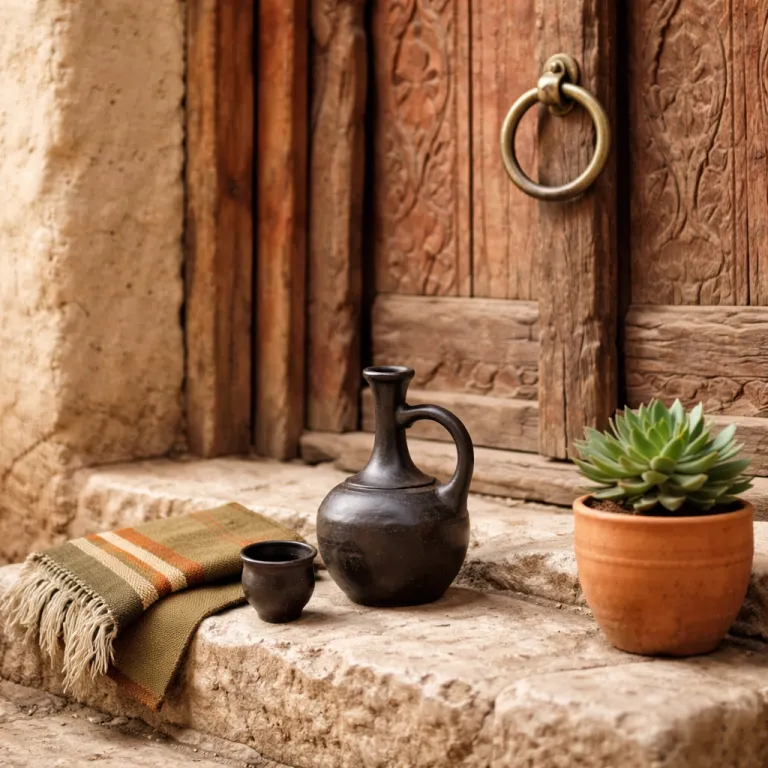
Where to stay in Harar’s walled city as a solo traveler
Working out where to stay in Harar, Ethiopia starts with one decision. You either sleep inside the ancient walled city or base yourself in the newer streets just beyond the gates. For a solo explorer who wants long evenings wandering alleys and talking with local people over coffee, staying inside the walls usually feels best.
The UNESCO World Heritage status of the old city means you are not choosing between global luxury brands. You are choosing between characterful guesthouses, a few modest hotels in Harar and one or two properties that edge toward the “best available” category for this part of eastern Ethiopia. That gap between Harar’s cultural weight and its limited high-end rooms is exactly why a clear, practical guide matters.
Inside the walled city, traditional Harari houses such as the well-known Rowda Waber–style guesthouse properties offer carved niches, raised platforms and thick walls that keep rooms naturally cool. A stay in this kind of place gives you immediate access to the market, the mosques and the quiet courtyards where elders talk about Ethiopia’s ancient trade routes. The trade-off is that water pressure, Wi‑Fi and sound insulation will rarely match what you might expect from a capital city hotel.
Outside the walls, Harar Ras Hotel on Ras Mekonnen Avenue stands as one of the most established addresses for visitors who want predictable comfort. This long-running property has air‑conditioned rooms, a restaurant and a layout that feels familiar if you have travelled widely in Africa. It is not a design‑led hotel, but its position between the walled city and the wider street grid makes it a good base for first‑time visitors who want to walk in and out of the gates with ease.
Nearby mid‑range options such as Wonderland Hotel on Feres Megala Road and Heritage Plaza Hotel near the main roundabout sit in the same family of straightforward places to stay, offering clean rooms, on‑site dining and staff who understand that solo guests often want both privacy and a reliable local guide. These hotels are not about spa menus or rooftop pools; they are about hot showers, decent beds and quick access by car toward the road to Dire Dawa airport. When you weigh accommodation in Harar, this outer ring of hotels can be the most practical choice if you plan to arrive late at night or leave very early.
Heritage guesthouses, Harari culture and the reality of comfort
Harar is one of Ethiopia’s most atmospheric places to sleep, but you need to calibrate expectations. The ancient walled city was not built for cars, luggage trolleys or large‑scale hotels, so the most interesting addresses are often intimate guesthouse conversions. For a solo traveler who values story‑rich stays over marble lobbies, that can be a very good thing.
Traditional Harari homes such as those inspired by Rowda Waber architecture wrap rooms around a central space where coffee ceremonies unfold slowly. You sit on raised platforms while your host roasts beans, and the smell of coffee drifts through carved wooden doors toward the alley where children play. This is where a local guide becomes invaluable, helping you choose a guesthouse whose owners are used to international visitors and can explain house rules clearly.
Properties that echo the Waber Guesthouse style usually offer only a handful of rooms, each different in size and layout. Some rooms have ensuite bathrooms, others share facilities across a corridor, and water can be intermittent at busy times in the city. When you plan your Harar accommodation, ask directly about water storage, backup power and whether the guesthouse can provide a heater or extra blankets during the cooler time of year.
Harar’s heritage stays pair naturally with a wider journey through Ethiopia’s ancient sites. Many solo travelers combine a few nights here with time in Lalibela, using in‑depth resources on the rock‑hewn churches such as this guide to experiencing the pilgrimage churches to understand how faith and architecture shape different regions. The contrast between sleeping in a Harari house and a highland lodge near the churches underlines how varied Ethiopia can feel within a single trip.
Compared with the northern historical route, the old city offers fewer polished amenities but more direct contact with everyday life. You wake to the call to prayer, step straight into the market and share breakfast with local people who are curious but welcoming. For many guests, that immediacy outweighs the absence of a spa or a long list of hotel amenities, especially when they know in advance what level of comfort to expect.
Modern hotels near Harar and how to use Dire Dawa
Because Harar’s core is so compact, some travelers choose to sleep in slightly more modern hotels on the outskirts or even in Dire Dawa. The Dire Dawa option appeals if you prefer larger properties, wider streets and easier airport access, then treat the walled city as a day‑long cultural excursion. This strategy can work well if you are combining the east with longer journeys toward the Omo Valley or the northern castles.
Mid‑range hotels on the edge of town occupy a practical middle ground between heritage guesthouse and international chain. They typically offer private bathrooms, on‑site restaurants and staff who can arrange a local guide or a car to the city gates at almost any time. When you compare where to stay in and around Harar, these addresses often feel like the safest bet for travelers who want a clear separation between the sensory intensity of the alleys and the calm of their rooms.
Solo travelers who are used to refined stays in places like Gondar’s royal quarter, where curated guides to Gondar city Ethiopia highlight pools, gardens and historic stonework, should adjust their lens slightly in Harar. Here, the luxury is proximity to the market, the ease of walking to hyena‑feeding sites at dusk and the chance to talk with local people without a tour bus in sight. A good guide will help you navigate that shift, pointing out where the city still carries traces of its trading past.
Dire Dawa, roughly an hour’s drive from Harar depending on traffic and road conditions, functions as the main air gateway for this part of eastern Ethiopia. Many visitors land there, check into a hotel with more conventional amenities, then transfer to Harar the next morning when they are rested and ready to engage with the ancient streets. If you choose this pattern, make sure your hotel or guesthouse in Harar knows your arrival time so someone can meet you at the gate and help with luggage.
Transport between Dire Dawa and Harar usually runs throughout the day, but private transfers arranged through hotels or local agencies give you more control over timing and comfort. This is especially relevant if you are carrying camera gear or planning to continue toward the Omo Valley after your stay. In every case, confirm prices and vehicle type in advance, and ask whether your driver knows the exact place of your guesthouse inside the walled city.
Hyena feeding, coffee culture and why solo travelers thrive here
Harar’s reputation often begins with the hyenas, and the reality is as intense as the stories. At dusk, outside the ancient walls, you watch hyenas emerge from the dark, responding to the calls of men who have fed them for generations. The ritual of feeding hyenas is not a staged show for cameras; it is a long‑standing pact between people and animals at the edge of the city.
Most visitors experience these feeding rituals with the help of a trusted local guide who knows the families involved. A good guide will time your visit so you arrive as the light fades, explain the etiquette of approaching the animals and help you decide whether to participate directly or watch from a distance. For solo travelers, this is one of those nights when having a local by your side turns a potentially chaotic scene into a controlled, memorable encounter.
Back inside the walls, the rhythm slows and the focus shifts to coffee and conversation. Harar is one of Ethiopia’s historic coffee regions, and many guesthouse owners still roast beans in their own kitchens, serving guests small cups while talking about trade routes that once linked this city to ports across Africa and the Arabian Peninsula. Choosing your Harar lodging often comes down to which place feels most alive at coffee time, not which one has the longest room‑service menu.
Solo travelers tend to get more from Harar because they can linger in a market alley, accept a spontaneous invitation to sit for coffee or follow a guide into a side street that a group tour would ignore. The scale of the walled city suits this kind of slow exploration, with distances measured in minutes rather than kilometres. You can leave your guesthouse, walk to the market, circle past Ras Hotel and be back in your room before the afternoon heat peaks.
For those planning a wider itinerary, Harar’s intensity pairs well with slower days elsewhere in Ethiopia. Resources such as this detailed luxury Ethiopia itinerary help you understand how many nights to allocate to each city, including Harar, Dire Dawa and the Omo Valley if you are heading south. In every case, the key is to allow enough time in Harar for both the headline experiences and the quiet, unplanned encounters that often become the best memories.
When to visit Harar, how long to stay and how to book
The best time to visit Harar is during the dry season, from October to March. Cooler air makes walking the steep alleys of the walled city more comfortable, and clear skies mean better light for photography at the market and the mosques. If you are sensitive to heat, plan your stay around these months and aim for early‑morning or late‑afternoon walks.
For most solo travelers, two to three nights strike the right balance between depth and pace. One full day lets you explore the ancient streets, visit Harar’s museums and spend time at the market, while another evening can be dedicated to hyena‑feeding and a slower circuit of the city gates. If you are combining Harar with longer journeys toward Dire Dawa, the Omo Valley or northern historical sites, consider adding an extra night to absorb the atmosphere without rushing.
Accommodation supply in Harar remains limited, and the most appealing rooms can sell out quickly during peak religious festivals or national holidays. When you decide on your preferred place to stay, book early and confirm details directly with your chosen hotel or guesthouse by phone or email.
Online booking platforms now list Harar Ras Hotel, Heritage Plaza Hotel, Wonderland Hotel and several smaller guesthouse properties, but not every place has a fully updated website. A reliable local guide or agency can help you cross‑check information about rooms, prices and whether a property in the Waber Guesthouse style can accommodate solo travelers comfortably. Always ask about payment methods, as some hotels in Harar still prefer cash in Ethiopian birr rather than cards.
When you arrive, take a moment to orient yourself between the walled city, the market and key landmarks such as Ras Hotel, which many drivers use as a reference point. This simple mental map will help you move confidently between your place of stay, the hyena‑feeding sites and the quieter residential quarters where local people live their daily lives. With the right expectations and a clear sense of time, Harar becomes less a logistical puzzle and more an eastern jewel in your wider journey through Ethiopia.
FAQ
What is the best time of year to visit Harar ?
The most comfortable period to visit Harar is the dry season from October to March, when temperatures are milder and rain is rare. This is the best time for walking the ancient walled streets, spending long hours in the market and attending evening hyena‑feeding sessions after sunset. Outside these months, heat and occasional showers can make midday exploration less pleasant, especially for solo travelers.
Are there luxury hotels in Harar’s walled city itself ?
Harar does not yet offer international‑standard luxury hotels inside the walled city, but it does have characterful guesthouse options and several comfortable mid‑range hotels nearby. Properties such as Harar Ras Hotel, Heritage Plaza Hotel and Wonderland Hotel provide reliable rooms, private bathrooms and on‑site restaurants within easy reach of the gates. For higher‑end amenities, some travelers base themselves in Dire Dawa and visit the old city on day trips.
Is Harar safe for solo travelers, especially at night ?
Harar is generally considered safe for tourists, including solo visitors, particularly inside the walled city where streets are busy until late evening. As in any city in Africa, basic precautions apply, such as avoiding very dark alleys alone at night and keeping valuables discreet. Using a trusted local guide for night‑time activities like hyena‑feeding adds an extra layer of security and local insight.
How many nights should I plan to stay in Harar ?
Two to three nights is usually enough to experience the main highlights of Harar without rushing. This allows one full day for the ancient walled city, markets and museums, plus an evening for hyena‑feeding and unstructured wandering. Travelers combining Harar with the Omo Valley or northern historical sites sometimes add a fourth night to slow the pace.
How do I get from Dire Dawa airport to my hotel in Harar ?
Dire Dawa airport lies within a reasonable driving distance of Harar, and most hotels or guesthouses can arrange a private transfer if you request it in advance. Shared minibuses and taxis also operate on the route, but they may be less comfortable if you carry large luggage or arrive late at night. Confirm the meeting point, vehicle type and price with your chosen place of stay before you fly, and ask the driver to drop you as close as possible to your guesthouse inside the walled city.