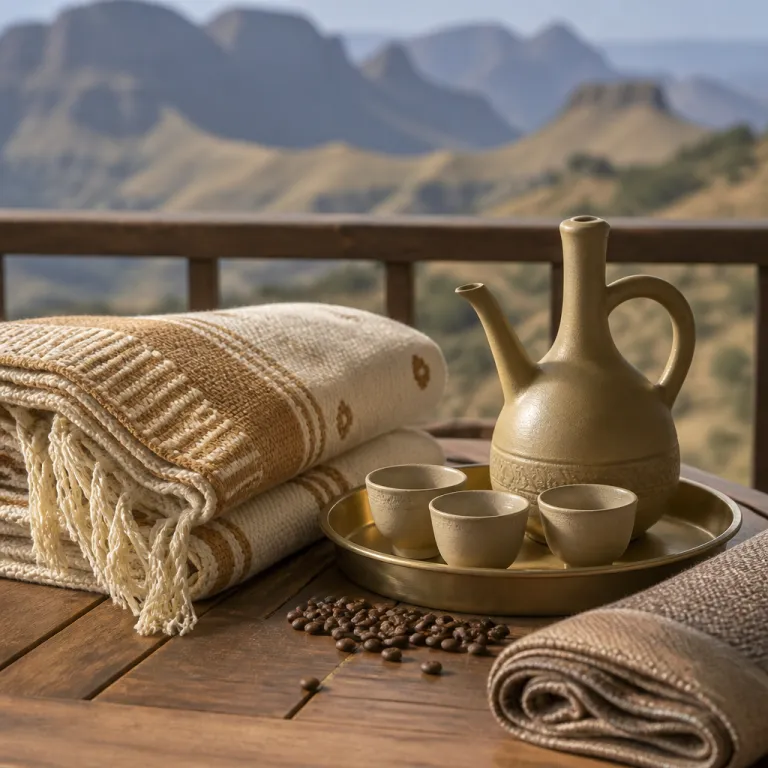
Why the Bale Mountains belong on every luxury Ethiopia itinerary
The Bale Mountains form one of the most beautiful high altitude landscapes in Ethiopia. This national treasure combines a vast Afro alpine plateau, deep valley systems, and rare wildlife that you will not see anywhere else in the country. For travellers booking premium stays, the Bale Mountains offer a rare mix of wilderness, comfort, and carefully curated adventure.
Set in southern Ethiopia, Bale Mountains National Park covers about 2 200 square kilometres of protected area, a figure reported by the Ethiopian Wildlife Conservation Authority. Within this national park, the Sanetti Plateau rises above 4 000 meters, while Tullu Demtu reaches 4 377 meters and stands as the second highest peak in Ethiopia. Such elevation shapes a cool climate that feels good after a few hot days in Addis Ababa or other lowland town stays.
This region is globally recognised for its endemic wildlife, including the Ethiopian wolf, the mountain nyala, and Menelik's bushbuck. Conservation authorities answer the question “When was Bale Mountains National Park established?” with a clear date: designated in 1970. Scientists have also documented exceptional plant diversity here, with around 177 endemic species recorded in the wider Bale massif according to Natural World Heritage Sites data. Although the park is currently on the UNESCO World Heritage Tentative List rather than fully inscribed, this international attention reassures discerning guests that their stay supports a national conservation priority.
How to reach the Bale Mountains and plan your ideal number of days
Most luxury travellers start their journey to the Bale Mountains from Addis Ababa, flying to the town of Goba or Robe before continuing by road to the park. The drive from these towns into Bale Mountains National Park passes through farmland, forest, and rising volcanic ridges that hint at the adventure ahead. Travel planners usually recommend at least three days in the area, although five or six days allow a deeper immersion in different plateaus and valleys.
On a shorter day trip from Goba, you will typically focus on the Sanetti Plateau and its high altitude road, which reaches more than 4 000 meters. Longer stays combine the plateau with the Harenna Forest, glacial lakes, and the northern sector of the Bale range, where rock formations and stone outcrops frame sweeping views. If you are pairing Bale with the historic north, you can balance your itinerary with a refined three days on Lake Tana, using a carefully planned Lake Tana in three days program before flying south.
Luxury and premium hotel booking platforms focused on Ethiopia help you structure each day so that altitude gains remain gradual. They coordinate private vehicles, expert guides, and flexible day trek options that match your fitness and interests. As one long-time guide explains, “We always start low and slow, so guests feel the height without feeling the strain.” On a clear morning he might pause the vehicle, pour fresh coffee from a flask, and point out an Ethiopian wolf trotting across the frosted moorland. With this level of planning, every day in the Bale Mountains feels purposeful yet unhurried, whether you are crossing the Sanetti Plateau or relaxing beside a forest edge lodge.
Wildlife encounters in Bale Mountains National Park for discerning guests
Wildlife is the defining reason many travellers choose the Bale Mountains over other highland destinations in the country. The Ethiopian wolf is the headline species, and the Sanetti Plateau offers the best chance to see this rare canid hunting across the open moorland. Early in the day, your guide will position the vehicle near known territories, giving you time for careful photo opportunities without disturbing the animals.
On the same plateau, you may notice the giant mole rat popping in and out of its burrows, a key prey species that supports the Ethiopian wolves. In the forested slopes below, the elegant mountain nyala browses quietly along clearings, while Menelik's bushbuck prefers denser cover in the Harenna Forest. These endemic mammals make the Bale Mountains one of the most important conservation areas in Ethiopia, and your stay directly supports protection efforts for the park’s fragile habitats.
For travellers who enjoy contrasting landscapes, a luxury itinerary can link the cool Bale Mountains with the red hot Danakil Depression. Many premium agencies now design an exceptional journey to the Danakil Depression after several days in the Bale region, creating a powerful narrative from volcanic ridges to salt flats. This combination underlines how varied the country is, and why a tailored hotel booking strategy matters when moving between such different areas.
Landscapes of the Sanetti Plateau, Harenna Forest, and glacial lakes
The Sanetti Plateau is the visual heart of the Bale Mountains, a high altitude tableland often brushed by clouds. Here, Afro alpine vegetation, scattered stone boulders, and occasional rock formations create a stark but beautiful scene that feels almost otherworldly. On clear days, the views stretch across the Ethiopian highlands, and the light is perfect for wide angle photo work.
Dropping south from the plateau, the road descends into the Harenna Forest, one of the largest remaining cloud forests in the country. This area feels lush and humid, with giant trees, moss covered trunks, and occasional clearings where local communities cultivate coffee under the canopy. Luxury travellers often appreciate the contrast between a cool, windswept day on the plateau and a warmer afternoon walk in the forest, followed by a return to a comfortable lodge with good service.
Scattered across the northern sector of Bale Mountains National Park, small glacial lakes sit in old volcanic basins, reminders of the region's geological past. Around these lakes, volcanic ridges and weathered stone walls frame quiet picnic spots that work well for a relaxed day trek. When you book through a premium Ethiopia focused platform, your guide will time these outings to avoid crowds and to make the most of the soft morning or late afternoon light.
Designing luxury and premium stays around Bale’s towns and remote lodges
Accommodation around the Bale Mountains has improved steadily, with a small but growing selection of premium lodges and refined guesthouses. Most travellers base themselves near the town of Goba or Robe for easy access to the park, then add one or two nights closer to the Harenna Forest or the higher mountains. This pattern allows you to enjoy both comfortable town based evenings and more remote, nature focused days.
Luxury and premium hotel booking websites specialising in Ethiopia curate properties that align with conservation values and guest expectations. They highlight stays that support community based conservation programs, use wildlife monitoring systems, and work closely with the Ethiopian Wildlife Conservation Authority. When you choose these options, you will sleep in comfort while knowing that your presence contributes to the long term protection of the Bale Mountains National Park area.
Some itineraries pair Bale with other scenic landscapes in southern Ethiopia, such as the Omo Valley, to create a broader narrative of culture and nature. A dedicated platform may suggest a refined journey through the Omo Valley after several days in the Bale region, balancing wildlife with cultural immersion. With careful planning, each day feels distinct, from a sunrise over volcanic ridges to an evening in a riverside camp far from the plateau.
Practical tips for high altitude comfort, safety, and responsible travel
Because much of the Bale Mountains sit above 3 000 meters, altitude awareness is essential for a comfortable stay. Luxury focused operators design gradual ascents, starting with lower valley walks or forest drives before spending a full day on the Sanetti Plateau. You should drink plenty of water, avoid rushing on steep paths, and speak with your guide if you feel unwell at any point.
The dry season from November to March usually offers the most reliable conditions for road access and day trek plans. During these months, the high altitude air feels crisp, the sky often stays clear, and wildlife viewing for Ethiopian wolves and mountain nyala is particularly good. In the wetter months, the area becomes greener and more atmospheric, but some tracks across the Bale highlands may require four wheel drive vehicles and flexible timing.
Responsible travel in the Bale Mountains means staying on marked paths, keeping a respectful distance from wildlife, and supporting lodges that minimise their impact. Many properties now participate in environmental education campaigns and anti poaching patrol funding, which your booking indirectly sustains. When you work with a trusted Ethiopia based platform, they will guide you toward options that align with both your comfort expectations and the park’s conservation goals.
How a premium booking platform elevates your Bale Mountains experience
Choosing the right hotel booking website for Ethiopia can transform a simple trip into a seamless, high value journey. Specialist platforms know the Bale Mountains intimately, from the best viewpoints on the Sanetti Plateau to the quietest glacial lakes for a private picnic. They also understand how many days you should allocate to each area, and which town or forest edge lodge will suit your style.
These experts coordinate private vehicles, experienced guides, and tailored day trek options that match your interests, whether you focus on photography, birding, or relaxed scenic drives. They also manage the logistics of flights from Addis Ababa, park permits, and last mile transfers into remote corners of the national park. By centralising these arrangements, a premium service reduces friction and lets you concentrate on the Bale Mountains landscapes unfolding outside your window.
Perhaps most importantly, a trusted platform curates properties and partners that respect Bale Mountains National Park's fragile ecosystems. They favour operators who support community livelihoods, invest in scientific research initiatives, and use satellite imagery for habitat monitoring. When you book through such a service, every day of your adventure contributes to the long term health of this beautiful corner of southern Ethiopia, from the highest stone ridges to the deepest forest valley.
Key figures for the Bale Mountains and their protected landscapes
- Bale Mountains National Park covers about 2 200 square kilometres, making it one of the largest alpine protected areas in Africa according to Ethiopian Wildlife Conservation Authority and UNESCO World Heritage Centre data.
- The highest peak in the Bale Mountains, Tullu Demtu, rises to 4 377 meters, which places it among the tallest mountains in Ethiopia and shapes the region's cool high altitude climate.
- Scientists have recorded around 177 endemic plant species within the wider Bale Mountains region, a figure reported by Natural World Heritage Sites that underlines the area's exceptional botanical diversity.
- The park was formally designated in 1970, a milestone noted by conservation authorities that marked the beginning of structured protection for the Ethiopian wolf, mountain nyala, and other endemic fauna.
FAQ about luxury travel to the Bale Mountains
What is the highest peak in the Bale Mountains ?
The highest peak in the Bale Mountains is Tullu Demtu, which reaches 4 377 meters above sea level. It stands on the eastern side of the Sanetti Plateau and is accessible via a rough track and short hike. Clear days from the summit offer wide views across the Ethiopian highland landscape.
Which endemic species can I expect to see in Bale Mountains National Park ?
The most sought after endemic species in Bale Mountains National Park are the Ethiopian wolf, the mountain nyala, and Menelik's bushbuck. The Ethiopian wolves are usually observed on the Sanetti Plateau, while mountain nyala and Menelik's bushbuck prefer forest edges and montane woodland. Sightings are never guaranteed, but a stay of several days with a skilled guide gives you a good chance.
How many days should I plan for a luxury stay in the Bale Mountains ?
For a comfortable luxury experience, plan at least three days in the Bale Mountains, with five or six days ideal if you want to explore multiple areas. A shorter stay focuses on the Sanetti Plateau and nearby valleys, while a longer itinerary adds the Harenna Forest and northern glacial lakes. Premium booking platforms can help you balance these days with time in Addis Ababa or other Ethiopian regions.
When is the best time to visit the Bale Mountains for high end travel ?
The dry season from November to March is generally the best time for luxury travel to the Bale Mountains. Road conditions are more reliable, skies are often clearer for photo opportunities, and wildlife viewing for Ethiopian wolves and mountain nyala is strong. During this period, high altitude temperatures remain cool, so packing layered clothing is essential.
How do luxury bookings support conservation in Bale Mountains National Park ?
Luxury bookings support conservation in Bale Mountains National Park by directing revenue toward park fees, community based conservation programs, and research initiatives. Many premium lodges contribute to anti poaching patrols, wildlife monitoring systems, and environmental education campaigns in surrounding communities. By choosing these properties through a trusted Ethiopia focused platform, your stay helps protect the park's ecosystems for future generations.
References
- UNESCO World Heritage Centre (Bale Mountains National Park – Tentative List)
- Ethiopian Wildlife Conservation Authority (Bale Mountains National Park profile)
- Natural World Heritage Sites (Bale Mountains biodiversity overview)
