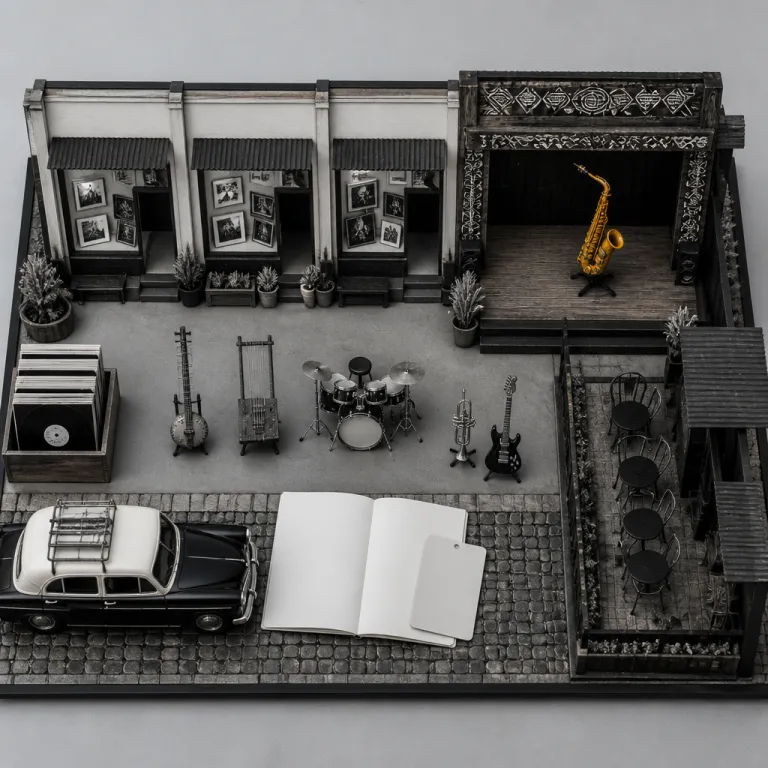
The Addis Ababa art trail: where galleries and ethio-jazz shape your stay
Addis Ababa is now a city where an art trail can shape your entire stay. Luxury travelers booking in Addis Ababa increasingly choose hotels based on proximity to art, music, and ethio jazz venues. The result is a compact cultural map where your room key quietly unlocks a deeper layer of Ethiopian art culture.
In the central districts of Addis Ababa, contemporary Ethiopian art galleries sit within a few kilometres of each other. Around Bole and the Old Airport area, each art gallery doubles as a social center, a place to learn about Ethiopian artworks while sipping single origin coffee. For a solo explorer, this walkable Addis Ababa art galleries ethio jazz circuit turns a free afternoon into a curated cultural event.
Think of the city as a layered exhibition rather than a checklist of sites. In Addis Ababa, the same venue might host a photography exhibition by young Ethiopian artists in the afternoon, then live jazz performances at night. This overlap between art, music, and performance means your hotel choice in Ababa Ethiopia is not only about thread count, but about how close you are to the next live event.
Luxury and premium hotels in Addis Ababa now respond to this shift. Several properties in Bole and Kazanchis commission contemporary Ethiopian work for their lobbies, turning arrival into a quiet exhibition of Ethiopian art. When you book through a specialist platform focused on Ethiopia, you can filter for hotels that support Ethiopian artists and host cultural events on site.
The main SEO thread, Addis Ababa art galleries ethio jazz, is not a slogan but a lived rhythm. You move from one art gallery to another, then on to a jazz venue, and the city’s jazz heritage becomes tangible. For travelers who want Ethiopia beyond monuments, this is where the country’s living art culture feels most open and alive.
An afternoon in Bole and Old Airport: a walkable gallery circuit from your hotel
Base yourself in Bole if you want to walk between art, coffee, and dinner. Many premium hotels here sit within a short drive or a long stroll of Addis Fine Art, one of the city’s most respected contemporary Ethiopian spaces. From a hospitality perspective, this cluster lets you plan a half day of Addis Ababa art galleries ethio jazz experiences without ever crossing the whole city.
Addis Fine Art, in the Bole area, focuses on artists from Ethiopia, the Horn of Africa, and the diaspora. Inside, you will see curated exhibitions of contemporary Ethiopian artworks that speak directly to the country’s shifting identity. Ask staff to help you learn about individual Ethiopian artists, their training, and how their work fits into the broader Ethiopian art culture.
From Bole, head toward the Old Airport district, where Lela Gallery offers a different mood. Set in a house and garden, this art gallery feels more like a private residence that has opened its doors to live creativity. Here, exhibitions often highlight emerging Ethiopian artists, and the venue’s intimate scale makes it easier to talk with artists about their work and upcoming events.
Plan your Addis Ababa afternoon so that gallery visits flow naturally around coffee and music. Many nearby cafés double as informal cultural centers, where you can view events posters for upcoming jazz performances and art exhibitions. This is also where you will overhear conversations between jazz musicians, curators, and designers, giving you a sense of how tightly art and music are woven together in Addis.
For travelers timing their stay around major cultural events, it is worth aligning this gallery circuit with national celebrations. Reading a guide to the Ethiopian calendar and key festivals helps you understand when Addis Ababa’s cultural energy peaks. During these periods, hotels near Bole and Old Airport often host parallel events, from rooftop jazz performances to lobby exhibitions of traditional Ethiopian textiles.
Fendika Cultural Center: ethio-jazz nights that justify an extra night in town
Every serious cultural stay in Addis Ababa should orbit at least one evening around Fendika Cultural Center. Located in the Kazanchis neighborhood, this venue is a cornerstone of the city’s jazz heritage and a living archive of traditional Ethiopian performance. For luxury travelers, it is the rare place where a curated night out feels both polished and deeply local.
Fendika operates as more than a music venue or art gallery; it is a cultural center in the fullest sense. On different nights, the space hosts art exhibitions, live music performances, and dance events that bring together Ethiopian artists from multiple disciplines. The programming reflects a clear mission to support artists, engage the community, and showcase Ethiopian arts to visitors from Ethiopia and abroad.
Ethio jazz is the signature sound here, a fusion of traditional Ethiopian music with jazz elements. When you attend one of the Friday ethio jazz performances, you hear how jazz musicians weave pentatonic Ethiopian scales into improvisation. The Negarit Ethio-Jazz Band often anchors these nights, while groups like Ethiocolor Band bring traditional Ethiopian dance and music into the same performance space.
Fendika’s schedule is dense, with several performances each week and a steady audience of locals and travelers. The team recommends a few simple rules for visitors : “Arrive early for good seating. Check schedule for specific events. Experience traditional Ethiopian cuisine on-site.” These practical details matter when you are planning an evening from a hotel across town and want to be sure the event is open and not already full.
From a hotel booking perspective, staying in or near Kazanchis gives you easier access to these late live events. Many premium hotels in Addis Ababa now understand that guests choose them partly to be near this kind of cultural performance. When you view events listings on local platforms, look for nights that combine art, music, and food at Fendika Cultural Center, then plan your stay so you can walk or take a short ride back after midnight.
How hotels curate Ethiopian art, coffee, and music into your stay
In Addis Ababa’s upper tier hotels, art is no longer an afterthought hung above the check in desk. Several properties now commission Ethiopian artworks directly from local artists, turning corridors into curated exhibitions. This shift matters for travelers who want their accommodation in Ababa Ethiopia to reflect the same art culture they experience in the city’s galleries.
Look for hotels that name the Ethiopian artists whose work appears in rooms and public spaces. Some properties host rotating exhibitions, effectively operating as a small art gallery where guests can learn about contemporary Ethiopian painting, photography, and sculpture. When these hotels host opening events, they often invite jazz musicians to perform live, creating a bridge between visual art and music.
Coffee culture is another quiet thread that ties hotels to Addis Ababa art galleries ethio jazz venues. In-house cafés increasingly serve single origin beans from across Ethiopia, sometimes sourced from estates highlighted in guides to Ethiopian coffee and origin tourism. During informal tastings, staff may explain how coffee regions influence flavor, much as different schools of Ethiopian art shape visual style.
Some luxury properties go further, programming cultural events that echo the city’s leading venues. You might find an evening performance by jazz musicians in a lobby bar, timed to complement, not compete with, Fendika’s headline events. On quieter nights, hotels sometimes host talks where Ethiopian artists discuss their work, giving guests a chance to learn about the context behind the pieces they see on the walls.
When you book through a specialist platform focused on Ethiopia, filter for hotels that mention art, music, or cultural programming in their descriptions. These properties tend to maintain closer relationships with Addis Ababa art galleries and ethio jazz venues, sometimes arranging private viewings or reserved seating for performances. For a solo explorer, this kind of soft access can turn a short stay into a sequence of well paced cultural experiences.
Buying Ethiopian art responsibly: from gallery wall to home
For many travelers, the most meaningful souvenir from Addis Ababa is a piece of Ethiopian art. The city’s galleries have become adept at guiding international guests through the process of buying Ethiopian artworks, from first viewing to shipping. The key is to approach each art gallery as both a venue and a partner in responsible collecting.
Start by clarifying your budget and the type of work you are drawn to, whether traditional Ethiopian iconography or contemporary Ethiopian abstraction. Gallery staff can help you learn about the artists’ backgrounds, their exhibition history, and how their prices have evolved. This context matters, because you are not only buying an object, but supporting Ethiopian artists and the wider art culture in Ethiopia.
Reputable galleries in Addis Ababa will provide documentation for each purchase. Expect certificates of authenticity, clear information about the artist, and transparent details about how revenue is shared between the center and the artist. Ask how the work will be packed and shipped, and whether the gallery has experience sending pieces to your home country.
Shipping logistics are now routine for leading venues, especially those in Bole and Old Airport that work regularly with international collectors. Many art galleries collaborate with specialized shippers who understand climate, customs, and insurance requirements for Ethiopian artworks. If you prefer to carry smaller pieces yourself, hotels can often store them safely until your departure, keeping them away from heat and direct light.
Responsible buying also means understanding what not to purchase. Avoid unverified antiquities or religious objects whose provenance is unclear, and focus instead on contemporary Ethiopian work where the artist is present and fairly compensated. When in doubt, ask your hotel concierge to recommend galleries with strong reputations in Addis Ababa’s art community, then take time to view events and exhibitions before making a decision.
Beyond the capital: extending your art and jazz journey across Ethiopia
Once you have traced the Addis Ababa art galleries ethio jazz circuit, it becomes tempting to extend the journey beyond the capital. Ethiopia’s regions each carry their own art culture, from church murals in the north to weaving traditions in the south. The smartest itineraries now pair a few nights in Addis Ababa with stays in quieter destinations where art and landscape meet.
Some travelers head west, where rivers and forests shape a slower rhythm of life. Guides to quiet luxury in western Ethiopia highlight lodges that work closely with local artists and cultural centers. Here, evenings might replace urban jazz performances with live traditional Ethiopian music around a fire, but the same respect for Ethiopian art and music runs through the experience.
In other regions, hotels commission murals, textiles, and carved furniture from nearby artisans. These properties become informal galleries where you can view events like weaving demonstrations or small scale exhibitions without leaving the venue. Conversations with artists often happen in courtyards or over coffee, giving you a different way to learn about Ethiopian artworks than in Addis Ababa’s white cube spaces.
Ethio jazz itself travels with you, carried on playlists curated by hotel teams who grew up with the sound. Ask staff to recommend classic recordings if you want to understand the genre’s jazz heritage before or after a live performance in Addis. Many will point you toward Mulatu Astatke and other pioneers whose work still shapes how jazz musicians in Ethiopia think about rhythm and melody.
By the time you return to Addis Ababa for your final night, the city’s art galleries and music venues feel less like isolated attractions and more like part of a national cultural network. Booking through a platform that understands Ethiopia’s regional diversity helps you connect these dots. The result is a trip where every hotel, from capital high rise to riverside lodge, becomes a small center of Ethiopian art, music, and hospitality.
Planning your nights: practical tips for an Addis Ababa art and ethio-jazz stay
Designing an Addis Ababa art galleries ethio jazz itinerary starts with your evenings. Begin by mapping the nights you want to spend at key venues like Fendika Cultural Center, then work backward to choose a hotel in Addis Ababa that keeps transfers short. This approach ensures that late live performances feel effortless rather than exhausting.
Check each venue’s schedule carefully, because events can vary between art exhibitions, jazz performances, and dance nights. Many centers publish calendars where you can view events in advance, making it easier to align your stay with specific artists or music styles. When possible, reserve or arrive early, especially on popular ethio jazz nights that draw both locals and visitors.
During the day, keep your schedule flexible enough to follow recommendations from gallery staff and hotel concierges. New exhibitions of contemporary Ethiopian work often open with little international publicity, but word travels quickly within Addis Ababa’s art community. If a gallery suggests an opening or performance at another venue, treat it as an insider tip worth reshaping your plans around.
Transport is another practical layer to consider. Many luxury and premium hotels in Ababa Ethiopia can arrange reliable drivers who know the main art gallery clusters and music venues. This matters late at night, when you are leaving a performance and want a quick, safe ride back rather than negotiating on the street.
Finally, pace yourself. The combination of altitude, strong coffee, and late jazz can be surprisingly intense, especially for solo travelers trying to see every exhibition and performance in a few days. Choose a hotel that feels like a calm center, where you can return after each event to process what you have seen and heard, and let the city’s art, music, and Ethiopian hospitality settle in.
Key figures shaping Addis Ababa’s cultural nights
- Fendika Cultural Center typically hosts around seven performances per week, which means most travelers can align at least one night of their stay with a live event.
- Average audience size at Fendika is about 100 people per performance, creating an atmosphere that feels intimate yet energetic rather than overwhelming.
- Ethio-jazz performances at Fendika are usually scheduled on Friday evenings, making weekends particularly attractive for travelers focused on jazz heritage.
- The Kazanchis neighborhood, where Fendika is located, sits close to major hotel districts, keeping transfer times for evening performances relatively short.
FAQ about Addis Ababa art, galleries, and ethio-jazz
What is Ethio-jazz and why is it important in Addis Ababa ?
Ethio-jazz is defined as a blend of traditional Ethiopian music with jazz elements. In Addis Ababa, this style is central to the city’s jazz heritage and shapes the programming at venues like Fendika Cultural Center. Hearing it live helps travelers understand how Ethiopian scales, rhythms, and instruments have evolved in dialogue with global jazz.
Where should I stay in Addis Ababa for easy access to galleries and music venues ?
Bole, Kazanchis, and the Old Airport area are the best bases for an Addis Ababa art galleries ethio jazz focused stay. These districts place you close to leading spaces such as Addis Fine Art, Lela Gallery, and Fendika Cultural Center. Many luxury and premium hotels in these neighborhoods also curate Ethiopian art in house and can arrange transport to evening performances.
How can I attend events at Fendika Cultural Center during my trip ?
Fendika runs a regular program of art exhibitions, live music, and dance performances, with ethio-jazz nights typically on Fridays. To make the most of your visit, follow their advice : “Arrive early for good seating. Check schedule for specific events. Experience traditional Ethiopian cuisine on-site.” Ask your hotel to confirm the latest schedule and arrange a car if you are staying outside Kazanchis.
Is it possible to buy Ethiopian art and ship it home safely ?
Yes, established galleries in Addis Ababa routinely work with international collectors and can arrange professional packing and shipping. Spaces such as Addis Fine Art and Lela Gallery provide documentation, certificates of authenticity, and guidance on customs and insurance. Discuss timelines and costs before purchase, and ask your hotel to help coordinate delivery or temporary storage if needed.
How many days do I need for an Addis Ababa art and jazz focused stay ?
A focused cultural itinerary usually requires at least three nights in Addis Ababa. This allows one or two afternoons for gallery visits in Bole and Old Airport, plus at least one evening at Fendika Cultural Center and another at a different jazz venue or hotel performance. With more time, you can add day trips or extend your journey to other parts of Ethiopia where art and music are central to local life.