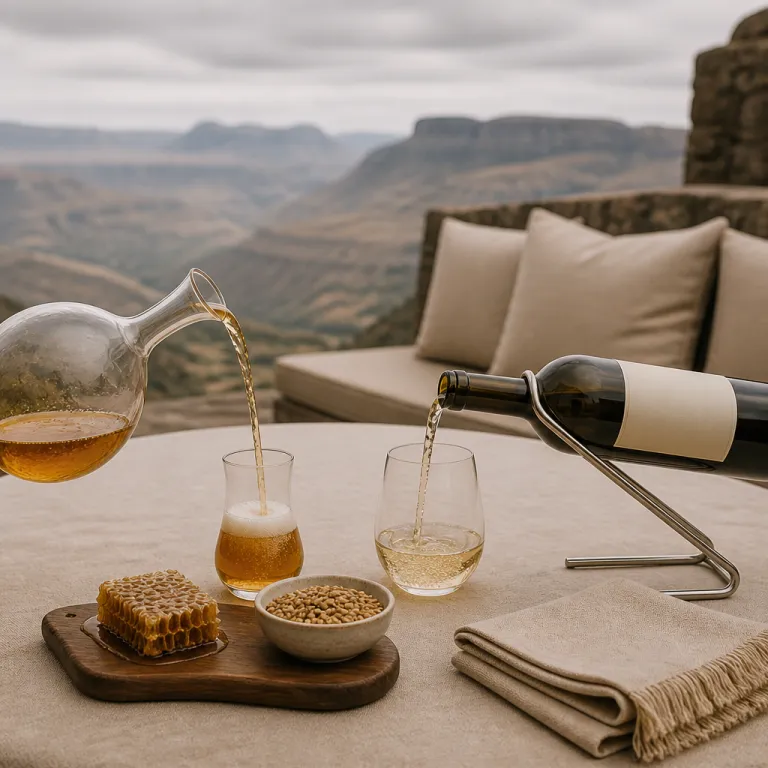
Highland glasses that speak of place, not just polish
In the Ethiopian highlands, a serious luxury stay now means a serious glass. The best hotel teams understand that ethiopian wine tej highlands experiences must connect altitude, terroir and ceremony, so your drink tells a story as layered as the landscape. When you plan where to stay in Ethiopia, ask not only about suites and spas but also about how the property treats wine, honey wine and other alcoholic beverages as part of its cultural narrative.
Tej, the golden honey wine at the heart of Ethiopian hospitality, has been poured for thousands years at weddings, religious feasts and political gatherings. Its short description is deceptively simple — fermented ethiopian honey, water and gesho — yet the process is nuanced, and luxury hotels that respect this history will work with specialist producers rather than tourist traps. When a sommelier in Addis Ababa or a highland lodge host in Lalibela talks you through the fermentation gesho balance, the method yeast selection and the right glassware, you feel the country’s confidence in every sip.
Rift Valley vineyards now add another layer to the wine ethiopia story, with altitude and volcanic soils shaping surprisingly elegant bottles. A well curated hotel cellar might present a local bottle wine alongside European labels, giving you a chance to compare how saccharomyces cerevisiae behaves in different climates and how a screw cap versus cork closure affects the final liquid over several days. For business leisure travelers, this means you can move from a boardroom in Addis to a terrace in the highlands and keep tasting ethiopian wine tej highlands expressions that feel coherent, not gimmicky.
Tej in the highlands: from berele flasks to stemmed glasses
Tej is Ethiopia’s traditional celebratory drink, a honey wine flavoured with gesho (Rhamnus prinoides), historically served in a rounded flask called a berele, and that history still shapes how it should appear on a luxury table. In the highlands, the best hotels respect that lineage while refining the service, pouring the sweet liquid into crystal rather than plastic and timing the making so the fermentation peaks during your stay. When you read about refined stays in the Ethiopian highlands on guides such as this highland hotel overview, pay attention to how each property handles tej, because that detail often reveals more than the room photos.
At its core, tej is a product of ethiopian honey, water and the gesho plant, with wild or cultivated yeast driving fermentation over three days or longer. Some traditional houses in Ethiopia still rely on ambient method yeast, while high end hotel partners may introduce selected saccharomyces cerevisiae strains to control the process and ensure consistent alcoholic beverages for discerning guests. The best versions balance sweet notes with a gentle bitterness from gesho ethiopian twigs, and a skilled sommelier will filter the final liquid carefully so it remains cloudy yet elegant in the glass.
When you evaluate tej lists in Addis Ababa or Gondar, look for a short description that mentions fermentation gesho proportions, the length of fermenting and whether the producer uses rhamnus prinoides leaves or stems. A serious property might offer three styles — young and sweet after roughly three days, a mid range bottle with more structure, and a longer aged honey wine served from larger bottles for groups. Asking these questions signals that you care about ethiopian wine tej highlands culture, and it encourages hotels to keep raising their standards.
Tourist trap tej houses versus curated hotel tastings
Not every tej house in Ethiopia is worthy of your limited evenings in Addis or Bahir Dar. Many venues near bus stations serve aggressively sweet drink versions in chipped glasses, designed more for quick intoxication than for appreciating the history and craft behind honey wine. Luxury travelers focused on ethiopian wine tej highlands experiences should instead lean on hotel concierges who know which specialist producers treat tej with the same respect as fine wine.
In practice, that means asking your concierge for a curated tasting that might start in the hotel bar and then move to a trusted tej establishment, rather than following street touts. A good property will filter options for you, selecting houses that manage fermentation carefully, use clean vessels and understand how to pair tej with regional dishes such as doro wat or tibs. Some of the most interesting tastings are arranged by hotels that already champion under the radar dishes, similar in spirit to the culinary guidance found in this guide to regional Ethiopian dishes.
During a curated session, you might compare three different honey wine samples, each made with varying amounts of gesho plant and different method yeast approaches. One glass could be a young, sweet liquid fermented for roughly three days, another a drier style where saccharomyces cerevisiae has consumed more sugars, and a third a rustic version closer to what the population ethiopians drink in rural areas. These contrasts help you understand how ethiopian wine tej highlands traditions adapt from village gatherings to polished hotel bars without losing their soul.
Rift Valley vineyards: altitude, grapes and serious hotel lists
While tej carries the weight of history, the modern wine ethiopia story unfolds mainly in the Rift Valley around Ziway, also known as Batu. Here, French led vineyards have planted international grape varieties at altitude, proving that quality wine can emerge close to the equator when nights are cool and soils are volcanic. For travelers booking high end hotels in Addis Ababa or the highlands, this means local bottles can now stand alongside European labels on serious lists.
When you scan a wine list in a luxury property, look for a clear short description of each Ethiopian wine, including grape variety, vineyard altitude and whether the bottle uses a screw cap or cork. Many producers favour screw cap closures for freshness, and a knowledgeable sommelier will explain how this choice protects the liquid during transport from the Rift Valley to highland hotels. You might be offered a bottle wine from Ziway with bright fruit and clean acidity, ideal for pairing with lightly spiced fish, or a richer style that can stand up to lamb tibs.
Some hotels now arrange day trips or overnight excursions that combine vineyard visits with highland stays, allowing you to taste wine at the source before returning to cooler altitudes. These itineraries often weave in tej tastings as well, so you can compare grape based wine bottle expressions with honey wine traditions shaped over thousands years. For business leisure guests, this kind of ethiopian wine tej highlands circuit turns a standard trip into a layered exploration of how Ethiopia thinks about alcoholic beverages today.
How luxury hotels curate Ethiopian drinks: from cellar to spa
In the best Ethiopian luxury hotels, the drinks program is not an afterthought but a core part of the guest journey. A strong Food and Beverage équipe will map out how ethiopian wine tej highlands offerings appear from breakfast to nightcap, aligning each drink with a specific moment and view. You might start with single origin coffee on a terrace, move to a glass of Rift Valley wine at lunch and end with honey wine by a fire pit as the highland air cools.
Serious properties train their staff to explain the process behind each drink, whether that means outlining how saccharomyces cerevisiae transforms grape juice into wine or how fermentation gesho shapes the bitterness in tej. Some hotels even host short workshops where guests can see the making of tej in small batches, from mixing ethiopian honey and water to adding gesho ethiopian twigs and monitoring fermenting over several days. During these sessions, you learn why a hotel will filter some batches more than others, how the method yeast influences aroma and why certain bottles are better suited to chilling.
Wellness focused resorts sometimes extend this narrative into their spa menus, pairing treatments with herbal infusions or light wine tastings that respect moderation. If you are planning a couples escape, it is worth exploring curated options such as the highland and lake edge wellness stays highlighted in this guide to Ethiopian spa retreats. In these settings, ethiopian wine tej highlands experiences become part of a broader ritual that includes thermal pools, slow meals and unhurried conversations about the country’s evolving drinks culture.
Practical tasting tips for business leisure travelers
Executives extending a work trip into leisure time often have limited hours to engage deeply with local culture. To make those hours count, treat ethiopian wine tej highlands tastings as anchor points around which you schedule meetings, site visits and rest. A focused plan will ensure you sample both Rift Valley wine and high quality tej without rushing.
Start by asking your hotel to arrange a guided tasting flight featuring three Ethiopian wines and at least one honey wine, ideally served with small plates that show how the flavours interact with food. Request that the sommelier include a mix of screw cap and cork sealed bottles, so you can feel how closure choices affect the liquid after the bottle has been open for a day or two. Then, on another evening, book a curated tej outing where you can compare sweet, medium and drier styles, noting how the gesho plant and method yeast change the profile.
When buying bottles to take home, prioritise a sturdy wine bottle with a reliable screw cap for easier transport, and ask the hotel team to help you skip content that is poorly labelled or clearly mass produced. Remember that regulations around carrying alcoholic beverages vary by airline, so check limits before purchasing multiple bottles. With a bit of planning, your luggage can carry a compact, meaningful snapshot of ethiopian wine tej highlands culture back to your own cellar.
Key figures shaping Ethiopian wine and tej today
- Commercial vineyards in Ethiopia’s Rift Valley around Ziway cover several hundred hectares, producing hundreds of thousands of bottles of wine annually, which allows luxury hotels to feature local labels consistently alongside imports (data from Ethiopian investment and agribusiness reports).
- Tej typically ferments for three days to several weeks, and this relatively short fermentation period compared with many grape wines helps hotels and specialist producers respond quickly to seasonal demand peaks during major religious and national holidays (reported by Ethiopian food and beverage researchers).
- The population ethiopians now exceeds 120 million people, making Ethiopia the second largest population in Africa, and this demographic scale supports a diverse market for both traditional honey wine and modern grape based wine ethiopia products (figures from the World Bank and United Nations population estimates).
- Studies on traditional Ethiopian beverages have identified saccharomyces cerevisiae as a dominant yeast in both tej and grape wine fermentations, confirming that similar microbiological actors underpin very different flavour profiles in the country’s key alcoholic beverages (findings from Ethiopian universities and food science journals).
FAQ: Ethiopian wine, tej and highland luxury stays
Where should I stay to experience both Ethiopian wine and tej?
For a balanced ethiopian wine tej highlands experience, base yourself in Addis Ababa for access to refined hotel bars and then add at least one highland destination such as Lalibela or Gondar. In Addis, top tier properties curate lists that include Rift Valley wine alongside premium tej from trusted producers. In the highlands, smaller luxury lodges often arrange intimate honey wine tastings paired with views over escarpments and rock hewn churches.
How can I tell if tej is high quality or a tourist trap version?
Quality tej should have a gentle honey aroma, balanced sweetness and a subtle bitterness from gesho, without harsh solvent notes or obvious off flavours. Ask how long it has been fermenting, whether the producer uses clean vessels and if they can explain the role of rhamnus prinoides in the recipe. Tourist trap venues rarely provide this level of detail, while serious hotels and specialist houses are usually proud to discuss their process.
Is Ethiopian wine good enough to replace my usual European choices at dinner?
Rift Valley producers now make technically sound wines that pair well with food, especially lighter styles of Ethiopian cuisine and grilled meats. While the range is smaller than in established European regions, a well chosen bottle wine from Ziway can comfortably accompany a business dinner or celebratory meal. Many luxury hotels offer side by side tastings so you can compare local and imported bottles with guidance from a sommelier.
Can I bring tej or Ethiopian wine home in my luggage?
You can usually transport sealed bottles of Ethiopian wine and tej in checked luggage, subject to airline and customs rules in your home country. Choose a sturdy wine bottle with a screw cap for easier packing, and ask your hotel to wrap each bottle carefully to protect the liquid during transit. Always check duty free allowances and restrictions on alcoholic beverages before purchasing multiple bottles.
What should I ask a hotel sommelier to arrange around Ethiopian drinks?
Request a tasting flight that includes at least one Rift Valley wine, one imported benchmark and one high quality honey wine, so you can compare styles in a single sitting. Ask whether the hotel can organise a visit to a trusted tej house or, if time allows, a day trip to a vineyard combined with a highland stay. These curated experiences turn ethiopian wine tej highlands culture into a coherent narrative rather than a series of isolated drinks.