Why Aksum deserves more than a one night stop on your northern Ethiopia trip
Aksum is where Ethiopia steps out of legend and into stone. This ancient town in the Tigray region anchors any serious Ethiopia travel itinerary through the northern Ethiopian highlands, yet many couples rush its historical sites in a single afternoon. Give yourselves time, and Aksum becomes a slow burning highlight of northern Ethiopia, not just a tick on a list.
The Aksumite Civilization ruled these northern lands for around seven centuries, leaving stelae, palaces and churches that still shape how Ethiopians think about power and faith. When you walk from the stelae field to the Church of Mary of Zion, you are tracing a travel guide written in granite, incense and whispered stories about the Ark of the Covenant. Aksum, or Axum as you will also see it written, rewards couples who treat their trip as a layered cultural journey rather than a quick photo stop between Gondar and Lalibela.
Tourism in Ethiopia has grown strongly in recent seasons, and the northern circuit remains the most visited route for international travel. Yet Aksum’s town centre still feels intimate, with donkeys crossing the road near Ezana Park and children playing football on any open field. That scale suits couples who prefer conversation with local guides over crowds, and who want their Ethiopia travel to feel personal, not packaged.
The northern stelae field and beyond: an elegant walk through Aksum’s sacred core
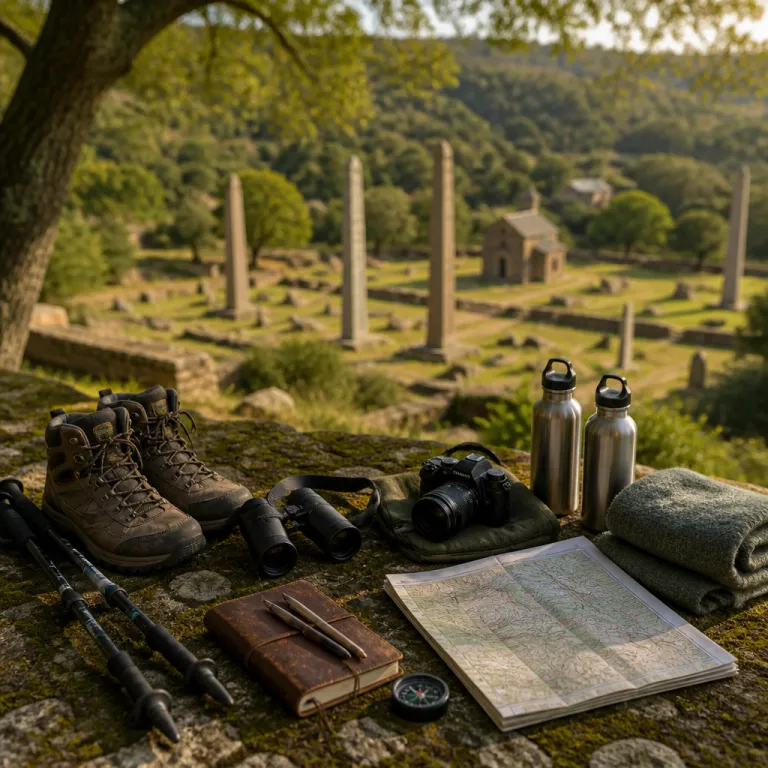
The northern stelae field is the natural starting point for any aksum ethiopia travel guide aimed at couples. Here, the tallest standing stele rises 23 metres, a single piece of carved stone that once marked an elite Aksumite tomb and still dominates the skyline of the town. UNESCO data notes this height explicitly as a measure of the Aksumite Kingdom’s engineering ambition, and it is only when you stand at its base that the scale of ancient Ethiopia becomes real.
Local experts often explain that “They symbolize the Aksumite Kingdom's power and engineering prowess.” That simple sentence captures why this field of stelae and each individual stele matter so much for any thoughtful trip through northern Ethiopia. Walk slowly between the northern stelae, notice the carved false doors and windows, and then follow your guide towards the smaller, toppled stones that show how time and earthquakes have reshaped the site.
From the stelae field, couples can stroll or take a short bus ride to Ezana Park, named for King Ezana, the ruler who adopted Christianity and helped define Ethiopian Orthodox identity. The park itself is modest, but its stones and inscriptions connect your visit to a turning point in Ethiopian history and to the Ethiopian Orthodox Church that still frames daily life. For a deeper cultural lens on why Ethiopia is not a safari country but a civilisation journey, read the analysis on why Ethiopia is not a safari destination and why that matters before you travel.
Mary of Zion, the Ark of the Covenant and the Queen of Sheba’s legacy
No aksum ethiopia travel guide is complete without addressing the Church of Mary of Zion, often written locally as Mary Zion. This complex of churches sits a short walk from the main stelae, and it is here that the Ethiopian Orthodox Church claims to guard the Ark of the Covenant in a small chapel. The Ark itself is not accessible to visitors, and “No, it's housed in a chapel with restricted access.”
Even without seeing the Ark of the Covenant, couples feel the weight of belief in the way pilgrims circle the outer church walls and in the quiet authority of the priests. The story links Aksum to the Queen of Sheba and to a lineage that many Ethiopians trace back to King Solomon, giving your trip a narrative that stretches far beyond northern Ethiopia. Take time to sit in the shade near the churches, listen to the liturgy if you are there during a service, and let your travel guide or local priest explain how these traditions shape modern Ethiopian life.
Just outside town, the ruins known as the Queen of Sheba’s palace and the site of King Kaleb Gebre’s tomb add another layer to this ancient landscape. These historical sites are less visually dramatic than the northern stelae field, yet they help couples understand how royal power, trade and faith intertwined in Aksum. If you are combining Aksum with Lake Tana’s island monasteries, this is where you start to see a continuous sacred geography that runs from the Ethiopian highlands down to the water, as outlined in this detailed look at Lake Tana in three days.
Where to stay in Aksum: reading the luxury and premium landscape
Aksum’s hotel scene is more restrained than Addis Ababa’s, but couples can still find comfortable premium bases close to the main historical sites. Most properties cluster along the main road between the airport and the town centre, which keeps transfer time short and allows easy access by bus or private car to the northern stelae field. Think of the best options here as characterful Ethiopian hotels with strong service rather than ultra opulent resorts.
Rooms in the top tier hotels usually offer reliable hot water, decent Wi Fi and balconies looking towards the Ethiopian highlands or over the town. Costs in birr remain reasonable compared with similar level stays in Addis Ababa or Gondar, which means you can allocate more of your trip budget to private guides, special dinners and perhaps a second night in Aksum. When you compare properties on a luxury and premium booking website, look closely at recent guest feedback on cleanliness, noise levels and how well the staff handle early morning airport transfers with Ethiopian Airlines.
For couples who value proximity to culture over pool size, staying within a short walk of Ezana Park and the churches makes sense. You can step out at dawn, reach the stelae field before the day’s heat builds, and still be back at your hotel for a late Ethiopian coffee ceremony. To see how Aksum fits into a wider high end route through northern Ethiopia, study this sample itinerary on what a luxury Ethiopia itinerary looks like and adapt the pacing to your own travel style.
Designing your route: combining Aksum with Gondar, Lalibela and the Ethiopian highlands
Smart routing turns an Aksum visit from a logistical headache into the elegant centrepiece of your northern Ethiopia travel. Ethiopian Airlines operates domestic flights linking Addis Ababa, Aksum airport, Gondar and Lalibela, which allows couples to avoid long bus journeys on certain legs of the trip. A common pattern is to fly from Addis Ababa to Aksum, then continue by air to Lalibela and on to Gondar, minimising backtracking and maximising time on the ground at historical sites.
If you prefer to see more of the Ethiopian highlands by road, consider one overland segment between two of these towns and then use flights for the rest. The drive between Aksum and the Simien Mountains, for example, reveals dramatic escarpments and rural field systems that you never glimpse from the plane window. Costs in birr for private 4x4 hire are higher than for a standard bus ticket, but the flexibility to stop in small northern towns, photograph terraced fields and talk with farmers often justifies the expense for couples on a once in a lifetime trip.
Some travellers try to fold the Omo Valley into the same itinerary as Aksum, Gondar and Lalibela, yet that usually stretches time and energy too thin. A more satisfying approach is to treat northern Ethiopia and the Omo Valley as two distinct journeys, each with its own travel guide and rhythm. That way, you can give Aksum the two or three nights it deserves, rather than rushing from airport to stele to church in a single day.
Practical travel tips: seasons, etiquette and how two nights change everything
Seasonality shapes how Aksum feels, so couples should plan their trip with the wet season and dry months in mind. During the wet season, usually mid year, the surrounding fields glow green and the air over the town feels washed clean, though some rural roads become harder to navigate by bus. The dry months bring clearer skies over the stelae field and more predictable flight schedules, which many travellers prefer for a tightly timed Ethiopia travel plan.
Respectful behaviour at churches and around Mary Zion is non negotiable, and local travel tips always start with dress and demeanour. Both men and women should cover shoulders and knees when they visit churches, remove shoes before entering sanctuaries, and avoid intrusive photography during services. Hiring a qualified local guide not only deepens your understanding of King Ezana, Kaleb Gebre and the wider Aksumite story, it also ensures you move through sacred spaces in a way that feels comfortable for Ethiopian worshippers.
From a purely practical angle, two nights in Aksum instead of one transform your experience of this ancient town. With a full day in between travel days, you can visit the northern stelae field at different times, linger at Ezana Park, explore Dungur palace and the old quarries, and still return to your hotel for unhurried dinners. That extra time also gives you space to absorb the emotional weight of the Ark of the Covenant tradition, which is hard to do if you are watching the clock for your next airport transfer.
Key figures for planning an Aksum stay
- The tallest standing stele in the northern stelae field measures 23 metres in height, according to UNESCO, making it one of the most imposing single stone monuments in Africa.
- The Aksumite Kingdom flourished for roughly 700 years, from the first to the eighth century AD, which means couples walk through a city shaped by nearly a millennium of continuous power.
- Domestic flight times on Ethiopian Airlines between Addis Ababa and Aksum airport average around 1 hour 40 minutes, allowing you to leave the capital after breakfast and reach your hotel before lunch.
- Many travellers find that adding one extra night in Aksum increases overall accommodation costs in birr by less than 10 percent of a typical northern circuit budget, yet it doubles the relaxed time you have on site.
FAQ about Aksum’s obelisks, the Ark and staying in town
What is the significance of Aksum’s obelisks for visitors ?
The obelisks, or stelae, in Aksum mark elite tombs and ceremonial spaces from the Aksumite Kingdom, and they give couples a tangible sense of ancient Ethiopian engineering and political power. Standing among the northern stelae field helps you visualise how this civilisation projected authority across northern Ethiopia and beyond. For many travellers, this is the single most powerful outdoor museum experience of their entire trip.
Can visitors see the Ark of the Covenant in Aksum ?
The Ethiopian Orthodox Church teaches that the Ark of the Covenant rests in a guarded chapel within the Mary of Zion complex, but access is strictly limited. Only one appointed guardian monk may enter the chapel, and visitors are not allowed inside or to view the Ark directly. You can, however, visit the surrounding churches, speak with clergy and observe how this belief shapes local religious life.
How much time should couples spend in Aksum during a northern Ethiopia itinerary ?
For a balanced aksum ethiopia travel guide, two nights is the minimum stay we recommend for couples. This gives you one full day to explore the northern stelae field, Mary Zion, Ezana Park and nearby historical sites, plus travel time on either side. A third night allows for slower mornings, a side trip to the Adwa battlefield or the quarries, and more relaxed evenings at your hotel.
What is the best way to reach Aksum from Addis Ababa or Gondar ?
The most efficient option for most travellers is to fly with Ethiopian Airlines between Addis Ababa, Aksum airport, Gondar and Lalibela, using road transfers only where they add scenic value. Buses do operate between some of these towns, but journey times are long and can be tiring for couples on a limited schedule. A mix of flights and one carefully chosen overland segment usually offers the best balance of comfort, cost in birr and landscape immersion.
Are there luxury level hotels in Aksum suitable for a romantic stay ?
Aksum does not yet offer ultra high end resorts, but it does have several comfortable premium hotels with good service, clean rooms and convenient locations near the main sites. Couples who value atmosphere and cultural proximity over extensive amenities will find these properties well suited to a romantic, historically focused trip. Booking through a specialised Ethiopia travel platform helps you identify the hotels that consistently meet international expectations in this ancient town.