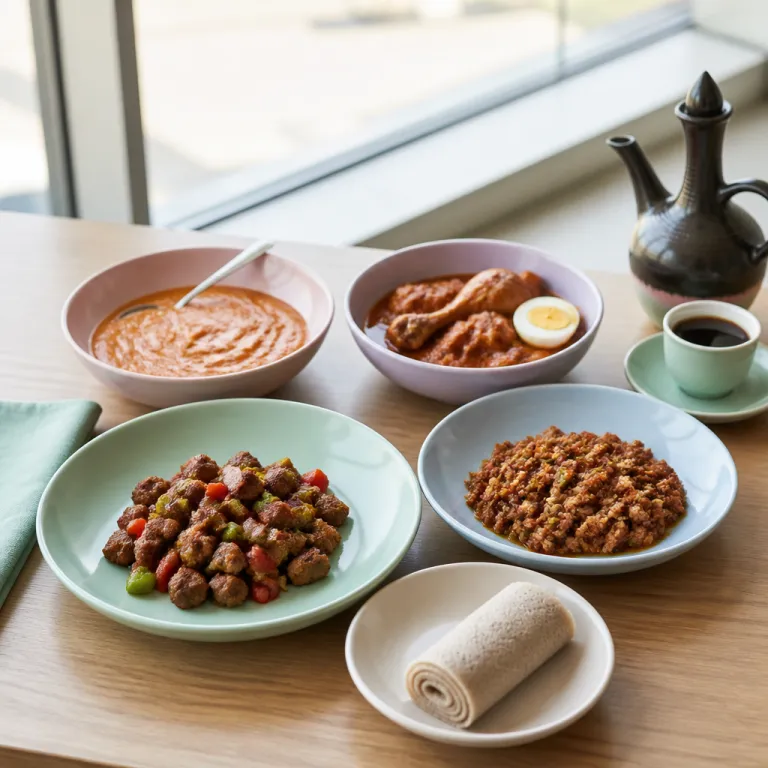
Ethiopian Regional Cuisine Guide for Luxury Travelers with Children
Why luxury travelers need an Ethiopian regional cuisine guide
Most luxury hotel guests in Ethiopia encounter the same abbreviated menu. A few familiar Ethiopian food staples like injera with mixed wat, a grilled meat platter and a token chicken stew are served politely, then the kitchen retreats to international comfort dishes. For families who travel to eat together, that is a missed chance to understand how Ethiopian cuisine changes from highland to lowland and from city to village.
This Ethiopian regional food guide for travelers starts where many hotel concierges stop. It treats injera bread, wat stews and Ethiopian coffee as a starting point, then maps the regional dishes that rarely appear on room service menus but define how people actually eat in Ethiopia. When you know which dish to request and where it is usually eaten, you can turn a standard hotel stay into a series of precise, memorable meals.
Luxury properties in Addis Ababa and beyond are slowly responding to the rise in culinary tourism. The Ethiopian Ministry of Culture and Tourism and local gastronomy associations now catalogue hundreds of distinct Ethiopian dishes, and tourism surveys from Addis Ababa Bole International Airport consistently show that a large share of visitors actively seek food experiences, even if exact figures vary by study. For a premium family, that means you can ask for regional Ethiopian dishes by name, expect them to be served with care and still keep the table family friendly rather than aggressively spicy.
Addis Ababa as your tasting room for regional Ethiopian dishes
Addis Ababa is where regional Ethiopian cuisine quietly gathers on a single table. In the capital you can try Tigrayan tihlo, Gurage kitfo variations, Harari ful and Oromo chechebsa without leaving the city, even if your hotel restaurant only lists generic Ethiopian dishes. This is where an Ethiopian regional cuisine guide becomes a practical tool, not just a cultural food essay.
Start with Kategna, often cited among the best Ethiopian addresses for elevated traditional Ethiopian cooking. In branches along Bole Road and in Old Airport, injera bread arrives warm and slightly sour, Ethiopian food is served on large shared platters and the gomen siga, shiro wat and doro wat show how clarified butter, or niter kibbeh, can make a simple dish taste quietly luxurious. Ask the staff to explain which region each wat or meat preparation comes from, then note what your children enjoy eating so you can order similar dishes later in your trip.
For a more cosmopolitan take, Sanaa in Addis Ababa blends international techniques with Ethiopian ingredients. You might find a refined kitfo tartare, a chicken stew reimagined with French style sauces or shredded injera folded into salads that still taste unmistakably Ethiopian. To understand how the city’s hotel dining scene is changing, read about Addis Ababa’s diplomatic dining and how it is reshaping Ethiopian gastronomy on this in depth guide to high end restaurants, then use that context to ask your concierge for reservations at the most food focused Ethiopian restaurant rather than the closest one. When booking, request a table away from loud music, ask about a children’s tasting portion and confirm whether regional specials are available that evening.
From Tigray to Harar: regional dishes your hotel menu will rarely list
Outside the capital, regional Ethiopia is defined by dishes that rarely appear on hotel buffets. In Tigray, tihlo is a beloved food made from roasted barley dough rolled into small balls and eaten with a spicy meat or bean sauce, often with shredded injera on the side. Children usually enjoy the interactive eating style, and you can ask your lodge to arrange tihlo in a nearby home if it is not served in the dining room.
Gurage country is famous for its own style of kitfo, the finely chopped raw or lightly cooked meat dish seasoned with mitmita chili and niter kibbeh clarified butter. Compared with the more widely known Addis version, Gurage kitfo can be more intensely spicy, so ask for a milder portion for younger travelers and extra gomen siga, the collard greens with meat that balance the plate. Oromo areas often start the day with chechebsa, torn flatbread fried in spiced butter and sometimes served with honey, which makes a satisfying breakfast alternative to the standard hotel pastry basket.
Harar, with its walled city and strong coffee culture, brings yet another layer to Ethiopian cuisine. Harari ful, a fava bean dish eaten with bread, tomatoes and chilies, is a gentle way to introduce children to Ethiopian dishes that are not based on injera bread or wat stews. One Harari host might tell you, “We drink coffee three times a day, but we never drink it alone,” as plates of ful, fresh bread and small sweets appear. To deepen your understanding of how food and coffee shape daily life, consider one of the Ethiopian coffee experiences for travelers described in this guide to ceremony grade hotel tastings, then ask your hotel to pair a buna ceremony with regional snacks rather than generic biscuits.
Signature Ethiopian dishes by region
- Tigray: Tihlo (roasted barley dough balls with sauce)
- Gurage: Regional kitfo, gomen siga and spiced butter dishes
- Oromo areas: Chechebsa breakfast flatbread with honey
- Harar: Harari ful, coffee snacks and bread based plates
Breakfast, coffee and honey wine: eating like an Ethiopian family
Hotel breakfast buffets in Ethiopia often lean international, with eggs, toast and pastries. Ethiopian families, by contrast, might eat chechebsa with spiced butter, fir fir made from shredded injera sautéed in niter kibbeh or a mild shiro wat with injera bread even early in the day. When you travel with children, asking the kitchen to prepare these Ethiopian dishes for breakfast can turn a routine meal into a gentle lesson in Ethiopian cultural habits.
Throughout Ethiopia, coffee is not just a drink but a slow ritual that frames food. A traditional Ethiopian coffee ceremony involves roasting green beans over charcoal, grinding them by hand and serving three rounds of coffee, often with popcorn or toasted barley and sometimes with small savory dishes. As one local answer puts it clearly, “How can I experience authentic Ethiopian food? Participate in local food tours or cooking classes.”
In many regions, Ethiopian coffee is paired with light snacks during the day and with more substantial food in the evening, while honey wine, or tej, appears at celebrations alongside meat heavy feasts. Ask your hotel to arrange a private buna ceremony where Ethiopian food such as doro wat, gomen siga or a vegetarian shiro wat is served in small tasting portions, so children can try each dish without pressure. For parents, this slow eating time can be as restorative as any spa session, especially if you combine it with a stay at one of the highland wellness retreats highlighted in this guide to Ethiopian spa retreats.
How to order like an insider at hotels and Ethiopian restaurants
Once you understand the basics of Ethiopian cuisine, you can start steering hotel kitchens toward more regional flavors. When you see a generic “Ethiopian platter” on a menu, ask which specific Ethiopian dishes are included and whether the chef can add a regional specialty such as Gurage kitfo, Oromo chechebsa or a local vegetable dish. This simple question signals that you care about Ethiopian cultural food, not just a safe tourist version.
At an Ethiopian restaurant in Addis Ababa or a lodge dining room near Lalibela, request that your injera bread be served with a balance of meat and vegetarian options. A thoughtful spread might include doro wat chicken stew enriched with clarified butter, gomen siga, shiro wat and a mild lentil dish so that everyone at the table, from cautious eaters to spice lovers, finds something satisfying. If a dish is usually very spicy, ask for a side of plain injera or rice so children can keep eating comfortably over a longer time.
Guided food tours, cooking classes and home dining experiences are increasingly available through hotel concierges and local food guides. Ethiopian chefs often enjoy explaining how niter kibbeh is made, why certain dishes are eaten on fasting days and how Ethiopian food changes from one region of Ethiopia to another. When you contact a guide or restaurant, confirm whether experiences are private or shared, ask about minimum ages for children and check if transfers from your hotel are included. Respect local dining customs, be open to new flavors and engage with local hosts, and you will find that the best Ethiopian meals of your trip may be the ones your concierge never initially mentioned.
Family friendly culinary experiences beyond the hotel dining room
For premium families, the most memorable meals in Ethiopia often happen outside formal hotel restaurants. Morning market visits in Addis Ababa or regional towns let children see the spices, grains and vegetables that later appear in their favorite Ethiopian dishes. With a good local guide, these walks stay manageable in distance while still showing how Ethiopian food is rooted in everyday life rather than only in ceremonial feasts.
Afternoon cooking sessions arranged through your hotel or a trusted tour operator can be tailored to different ages. Children might help tear injera bread for fir fir, stir a mild shiro wat or shape dough for tihlo, while adults learn how to clarify butter into niter kibbeh and balance the heat of a spicy wat. Evening communal meals in family homes or community guesthouses then bring everything together, as you sit around a shared tray and eat with your hands in the traditional Ethiopian way.
These experiences support local economies and help preserve Ethiopia’s diverse culinary heritage, which now counts hundreds of recognized Ethiopian dishes across the country in official inventories and regional cookbooks. They also answer a common concern from parents about whether Ethiopian cuisine is suitable for vegetarians, since many Ethiopian dishes are plant based and can be eaten comfortably by children who prefer vegetables over meat. When you use an Ethiopian regional cuisine guide for travelers as your planning tool, food becomes the thread that connects your luxury hotel, your day trips and your family’s shared memories of Ethiopia.
FAQ
Is Ethiopian cuisine suitable for children and cautious eaters ?
Ethiopian cuisine can be very family friendly when you choose carefully. Many Ethiopian dishes such as shiro wat, gomen siga without extra chili and simple lentil stews are mild, while spicier wat preparations can be served on the side. Ask your hotel or Ethiopian restaurant to suggest dishes that are less spicy and request extra injera bread or rice so children can adjust each bite.
What are some lesser known Ethiopian dishes worth trying ?
Beyond the classic doro wat and kitfo, regional Ethiopia offers tihlo from Tigray, Oromo chechebsa for breakfast and Harari ful made from fava beans. These Ethiopian dishes rarely appear on standard hotel menus but can often be arranged through local food guides or by asking the chef directly. Dishes like kitfo, shiro and gomen are regional specialties.
How can I experience authentic Ethiopian food during a hotel stay ?
The most effective approach is to combine hotel comfort with curated local experiences. Join guided food tours, take cooking classes that focus on Ethiopian cuisine and ask your concierge to arrange home dining experiences where traditional Ethiopian meals are served. Participating in a full Ethiopian coffee ceremony with snacks and regional dishes is another way to eat like a local while staying in premium accommodation.
Is Ethiopian food suitable for vegetarians and vegans ?
Many Ethiopian dishes are naturally plant based because of the country’s long tradition of fasting days. You will find a wide range of lentil, chickpea and vegetable stews, including shiro wat and various mixed vegetable dishes, that are eaten with injera bread. When booking hotels, mention vegetarian or vegan preferences in advance so the kitchen can plan a wider selection of Ethiopian food beyond meat focused plates.
When is the best time of day to plan food experiences in Ethiopia ?
Morning is ideal for market visits and bakery stops, while late afternoon suits cooking classes and Ethiopian coffee ceremonies. Evening is the best time for communal meals where multiple Ethiopian dishes are served on shared platters, allowing your family to taste widely without rushing. Spreading experiences across the day keeps children engaged and avoids overwhelming them with too much spicy food at once.