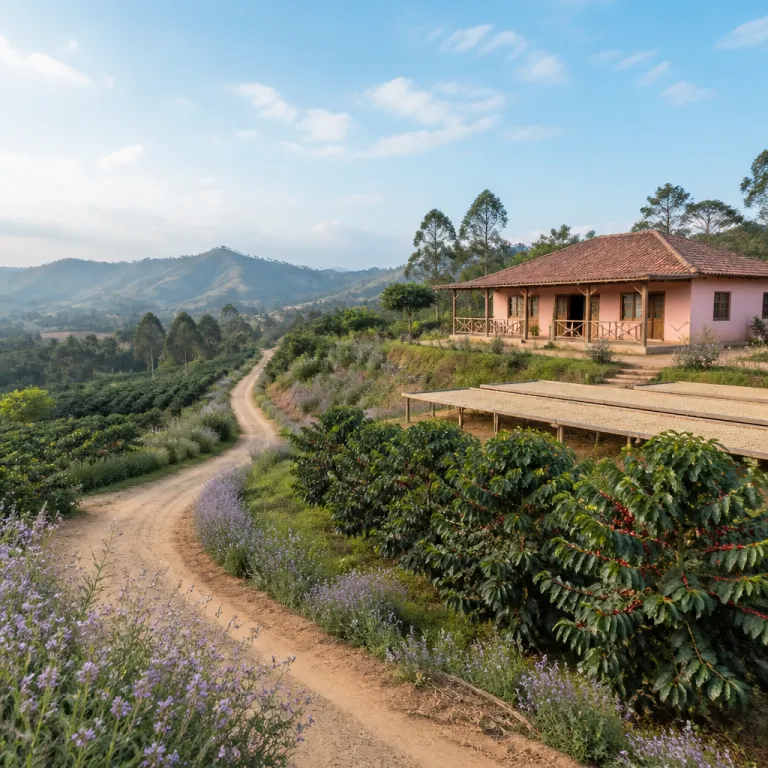
Why this Ethiopia coffee origin tour belongs on a luxury itinerary
This Ethiopia coffee origin tour from Jimma to Yirgacheffe turns a classic road trip into a quietly luxurious immersion in flavour, landscape and ritual. Over several days you move from the birthplace of arabica coffee in the southwest to the highland gardens of Yirgacheffe coffee, pairing elegant lodges with private tastings and slow drives through misty coffee forests. For couples used to polished city stays, it is a rare chance to experience authentic Ethiopian hospitality where your morning cup was picked just a few hills away.
The route begins and often ends in Addis Ababa, where a night in a premium hotel lets you reset after your flight and sample local coffee in a refined lobby bar before heading out. From Addis you fly or drive to Jimma, gateway to the regions that shaped Ethiopia coffee and the wider story of coffee Ethiopia as a global ritual. This is not a rushed checklist tour but a curated sequence of regions, each with its own origin story, traditional Ethiopian culture and specialty coffee profile.
For travellers who usually book based on spa menus and thread counts, the luxury here is different yet deeply felt. It is the exclusive access to coffee farmers who still walk their coffee farm at dawn, the quiet of a forest veranda where wild coffee trees grow beside green coffee drying beds, and the traditional coffee ceremony performed not as a show but as a daily act of care. If you are planning a wider circuit that includes highland trekking, this coffee focused journey also pairs well with a Simien Mountains extension, which you can plan using our dedicated guide to when a couple should add the trek to an Ethiopia trip at this Simien Mountains planning resource.
Addis Ababa to Jimma: from lobby espresso to birthplace arabica forests
Your Ethiopia coffee origin tour usually starts in Addis Ababa, where a well chosen luxury hotel sets the tone with precise service and quietly serious baristas. In Addis you can taste both local coffee and imported styles, then compare how Ethiopian coffee shifts once you leave the capital’s polished cafés for the green slopes beyond Ababa’s ring roads. Before you go, read about Ethiopia’s UNESCO push for the coffee ceremony and what authentic now means at your hotel in our in depth feature on authentic coffee ceremonies in hotels.
From Addis Ababa to Jimma the drive takes most of a day, so couples who prefer comfort often book a private 4x4 with a driver guide who understands both road conditions and coffee regions. Jimma itself is not a polished resort town, yet it anchors some of the most important origin landscapes in Ethiopia, including the forested hills around Bonga that many locals regard as the true birthplace of arabica coffee. Here, coffee farmers still tend semi wild coffee forests where green coffee cherries ripen under tall shade trees, and the air smells of damp soil and wood smoke from traditional Ethiopian kitchens.
Luxury in Jimma is about thoughtful placement rather than marble lobbies. Choose the best available lodge or premium guesthouse on the edge of the forest, where you can wake to birdsong and walk straight into a coffee farm within minutes. Many properties can arrange guided visits to nearby coffee farms and cooperatives, giving you exclusive access to washing stations where green coffee is pulped and dried, and to family compounds where a traditional coffee ceremony stretches over several unhurried hours.
Staying near Bonga and Jimma: lodges, flavours and forest rituals
Base yourself for two or three days near Bonga or in the hills outside Jimma to feel how deeply coffee shapes daily life. The best small lodges here are simple yet premium by regional standards, with clean rooms, hot water and staff who can arrange visits to coffee forests where wild coffee still grows among native trees. Ask for a room with a balcony or terrace so you can sip freshly brewed Ethiopian coffee while watching mist lift off the surrounding forest.
From these bases you can spend your days walking with local guides through coffee farms that blend seamlessly into forest, meeting coffee farmers who still hand pick cherries and sort them on woven trays. Many of these farmers belong to cooperatives that manage washing stations, and they are used to hosting visitors who want to understand how specialty coffee begins as sticky red fruit before becoming the green coffee that exporters ship abroad. One dataset we rely on notes that the altitude range of Yirgacheffe coffee farms is 1700 meters and 2200 meters, which helps explain why coffees from these regions taste so bright and layered compared with lower grown beans.
Evenings are for slow meals and repeated rounds of traditional coffee, often roasted over charcoal in front of you while incense curls through the room. A traditional Ethiopian coffee ceremony here feels different from the version staged in an Addis hotel, because the same hands that pour your cup may have pruned the coffee trees that morning. For couples, this is where the Ethiopia coffee origin tour Jimma Yirgacheffe theme becomes tangible, as you taste how coffees from different regions shift from forest heavy Bonga to cleaner, floral profiles you will meet later in Yirgacheffe coffee country.
From Jimma to Sidamo and Yirgacheffe: tasting your way through the highlands
Leaving Jimma, your tour bends southeast toward Sidamo and then Yirgacheffe, tracing a line through some of Ethiopia’s most storied coffee regions. The drive is long but scenic, with green hills, small towns and stretches of forest where wild coffee still appears at the roadside, and it rewards couples who enjoy watching the landscape shift slowly. You can break the journey with an overnight stop near Arba Minch if you want lake views and a change of pace before heading back into highland coffee country.
As you climb toward Yirgacheffe, the air cools and the light sharpens, a reminder that these slopes sit between roughly 1700 and 2200 meters and are ideal for slow ripening arabica coffee. Here, coffee farms are often small garden plots around family homes, and the best specialty coffee lots are meticulously processed by cooperatives that welcome serious visitors. Many travellers ask, “What is the best time to visit Ethiopian coffee regions ?” and the most reliable answer remains simple : “October to January, during the harvest season.”
In Yirgacheffe itself, plan at least two days to visit several coffee farms and one or two washing stations, ideally with a guide who can translate and arrange tastings. You will notice how coffees from different micro regions vary, from citrus and jasmine notes in classic Yirgacheffe coffee to deeper, tea like profiles in neighbouring areas. Luxury minded couples should ask their hotel to arrange a private cupping, where you taste multiple coffees side by side, learning how origin, altitude and processing turn Ethiopia coffee into a spectrum rather than a single flavour.
How to choose luxury stays and plan logistics on this route
Because this Ethiopia coffee origin tour Jimma Yirgacheffe route passes through emerging destinations, choosing the right hotels matters more than in Addis Ababa or other established hubs. In Addis Ababa, start and end with a trusted luxury property where you can enjoy specialty coffee in a calm lounge and perhaps a refined dinner using our hospitality grade guide to where to eat seriously in Addis Ababa at this Addis dining guide. Outside the capital, focus on cleanliness, reliable hot water, attentive staff and proximity to coffee regions rather than on formal star ratings.
For logistics, you can combine Ethiopian Airlines flights with private drivers to reduce long road stretches, especially between Addis and Jimma or from Yirgacheffe back to the capital. Methods range from fully guided tours arranged by local tour operators and coffee cooperatives to semi independent self drive itineraries supported by maps, mobile navigation and translation apps. Whatever you choose, obtain necessary travel permits where required, hire local guides for a richer experience authentic to each region and always respect local customs, especially around religious sites and traditional coffee ceremonies.
Safety and timing questions come up often, and the most practical advice is to check current travel advisories before you go and to travel with reputable partners. One official answer we reference states : “Is it safe to travel in Ethiopia's coffee regions ?” and replies : “Generally safe, but check current travel advisories.” Most travellers also need a visa, and the clearest guidance remains : “Do I need a visa to travel to Ethiopia ?” with the answer : “Yes, most travelers require a visa.” With these basics in place, you can focus on the real luxury of this journey, which is unhurried time with coffee farmers, repeated tastings of local coffee in its birthplace arabica landscapes and nights in well chosen lodges where the line between forest and hotel terrace feels almost invisible.
FAQ
How many days should a couple plan for the Jimma to Yirgacheffe coffee route ?
A comfortable Ethiopia coffee origin tour Jimma Yirgacheffe itinerary for couples usually runs for about one week. That allows one day to arrive in Jimma, two or three days to explore coffee farms and forests near Bonga and Jimma, one travel day to reach Yirgacheffe and two more days for farm visits and tastings before returning to Addis Ababa or continuing elsewhere.
Can this coffee focused trip be combined with other Ethiopian highlights ?
Yes, many couples pair the Jimma and Yirgacheffe coffee regions with cultural or nature extensions elsewhere in Ethiopia. Popular combinations include rock hewn churches in the north, time by the lakes near Arba Minch or a highland trekking segment in the Simien Mountains, which you can plan around your coffee days to balance rural comfort with more classic luxury stays.
What should I expect during a traditional Ethiopian coffee ceremony at origin ?
At origin, a traditional coffee ceremony usually takes place in a family compound or lodge garden, with green coffee beans roasted over charcoal, ground by hand and brewed three times in a jebena clay pot. Expect incense, conversation and a slow rhythm that can last an hour or more, and remember that in coffee Ethiopia culture this is as much about hospitality and respect as it is about caffeine.
How do farm visits work for luxury travellers who value comfort ?
Most coffee farm visits near Jimma, Bonga and Yirgacheffe are arranged through your hotel, a local tour operator or a cooperative that is used to hosting international guests. You travel by 4x4 to the coffee farm or washing station, walk short distances through the coffee forests with a guide, then sit for tastings or a coffee ceremony, returning to your lodge in time for a hot shower and a relaxed dinner.
Is this route suitable for travellers new to Ethiopia ?
The Jimma to Yirgacheffe route suits first time visitors who are comfortable with some rustic edges in exchange for deep cultural immersion. As long as you book reliable drivers, choose the best available lodges in each region and give yourselves enough days to avoid rushed transfers, the combination of Addis Ababa comforts and rural coffee experiences offers a balanced, rewarding first look at Ethiopia.