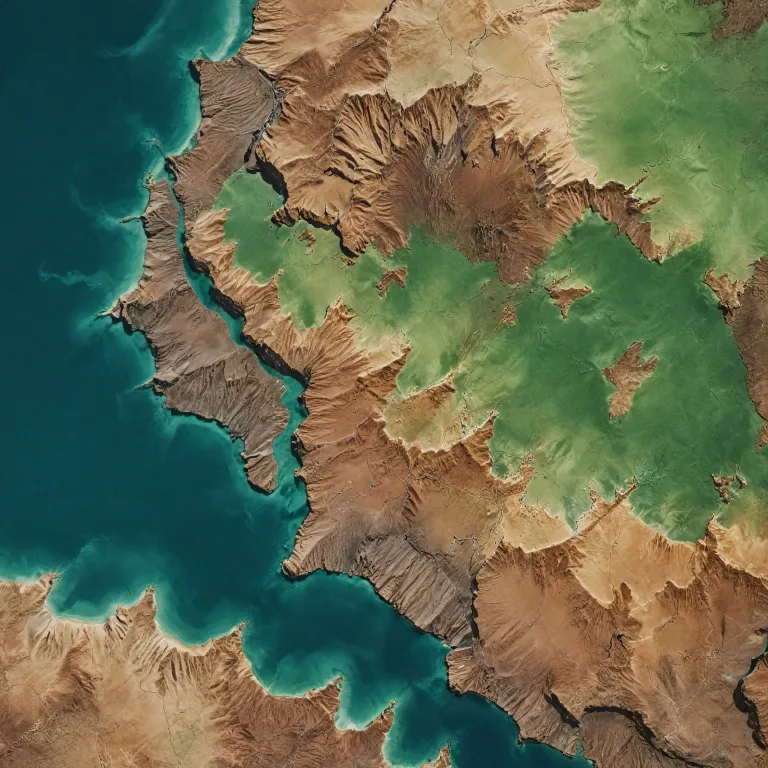
Reading the Ethiopian plateau map for refined travel planning
The Ethiopian plateau map is an essential starting point for planning refined journeys across this elevated land. When travellers understand how the Ethiopian plateau and the surrounding Ethiopian highlands shape climate, access, and scenery, they can select luxury and premium hotels that match their expectations. This article focuses on how the map Ethiopian travellers consult can translate into concrete choices for high altitude comfort, wellness, and seamless logistics.
The Ethiopian plateau stretches across much of northern Ethiopia and central Eritrea, forming one of the most extensive highlands in eastern Africa. On any detailed plateau map, you will see how the central basin, the eastern escarpments, and the western mountains create distinct microclimates that influence hotel design and guest experience. The Ethiopian plateau map also reveals how the rift valley cuts through the land, lowering altitude and bringing warmer air that contrasts with the cool Ethiopian highlands above.
For travellers comparing properties, the difference between a stay on the high Sanetti plateau and a retreat near the rift valley floor can be dramatic. At higher elevations, luxury hotels often emphasise fireplaces, heated pools, and wellness rituals adapted to high altitude, while properties in lower eastern areas may highlight outdoor lounges and open air dining. Understanding these gradients on a plateau Ethiopian map helps guests anticipate how temperatures, views, and even species of birds around the hotel will change from one region to another.
Geological history also shapes today’s premium hospitality landscape across Ethiopia. The land rose through volcanic activity long ago, and erosion over millions of years carved dramatic mountains and highlands that now host national park lodges and refined eco focused retreats. When you read an Ethiopia article about the plateau, you are effectively reading a hospitality map, because the same forces that created the Simien Mountains, the Bale Mountains, and the wider Ethiopian plateau now determine where the most spectacular terraces, infinity pools, and panoramic suites can be built.
Altitude, climate, and comfort on the Ethiopian highlands
Altitude is the quiet architect of every luxury stay shown on an Ethiopian plateau map. The average elevation of the Ethiopian plateau is around 2 500 meters, and many premium hotels sit even higher in the surrounding Ethiopian highlands. At these heights, the air is cooler and thinner, which shapes everything from room design to spa menus and from wine storage to evening turndown rituals.
On the Sanetti plateau in the Bale Mountains, for example, guests often sleep above 3 500 meters, where high altitude conditions require thoughtful acclimatisation. Refined lodges in Bale Mountains National Park typically provide slow paced arrival programs, warm drinks, and gentle guided walks that respect how the human body adjusts to thinner air. When you study a plateau map or a detailed map Ethiopian travellers use for trekking, you can see how the land rises from the rift valley floor to this high central plateau, explaining why nights feel crisp even when days are bright.
Climate change is adding a new layer of complexity to luxury planning across eastern Africa. Properties on the Ethiopian plateau and in northern Ethiopia must now consider shifting rainfall patterns, changing snow lines on the highest mountains, and altered habitats for endemic species such as the Ethiopian wolf and the mountain nyala. A carefully interpreted Ethiopian plateau map helps hoteliers anticipate which basins and slopes will remain reliably green, which eastern escarpments may become drier, and how to design resilient infrastructure that still feels elegant.
For travellers, this means that room orientation, insulation, and heating systems matter as much as thread count and spa facilities. High end lodges in and around Bale Mountains National Park increasingly use local stone and earth construction to stabilise indoor temperatures, while properties closer to the sea level influences of the Red Sea basin may rely more on natural ventilation. When planning a cross country itinerary that includes both the western plateau and the remote western frontier, travellers can consult resources on quiet luxury in Ethiopia’s western frontier to understand how climate and altitude shape service styles.
Mapping national parks, endemic species, and elevated stays
Many of Ethiopia’s most memorable luxury and premium stays cluster around national park boundaries clearly visible on any Ethiopian plateau map. The Simien Mountains National Park in northern Ethiopia and Bale Mountains National Park in the south are both carved into the Ethiopian highlands, where high altitude plateaus drop into deep valleys. On a detailed plateau Ethiopian map, these protected areas appear as rugged blocks of land rising above surrounding basins, and they now host some of the country’s most atmospheric lodges.
In Bale Mountains National Park, the Sanetti plateau forms a high, windswept tableland where the rare Ethiopian wolf hunts across open moorland. Luxury camps and lodges here must balance guest comfort with strict conservation rules, ensuring that views of the mountains and the plateau do not disturb fragile habitats. The presence of the mountain nyala, another emblematic species of eastern Africa, adds to the sense of privilege for guests who can observe wildlife directly from elevated terraces or heated outdoor lounges.
Further north, in the Simien Mountains, the Ethiopian plateau fractures into dramatic cliffs and pinnacles that have earned parts of the region recognition as a heritage site. Here, the mountains national park status protects both geological formations and cultural landscapes shaped by Amhara and Tigray communities over many years ago. When travellers consult a map Ethiopian guides provide, they can see how lodges perch along ridgelines, using the natural contours of the land to frame sunrise and sunset over the central plateau and the rift valley beyond.
For guests designing multi stop itineraries, it is helpful to view the Ethiopian plateau map alongside curated hotel collections. Resources highlighting elegant resorts in Ethiopia show how premium properties align with national park borders, river basins, and highland passes. By overlaying these hospitality maps with information about endemic species, travellers can choose stays that support conservation while still offering refined service, spa facilities, and carefully guided excursions into the surrounding land.
From northern Ethiopia to the rift valley: reading routes on the map
Planning a luxury journey across the Ethiopian plateau begins with tracing routes on a detailed Ethiopian plateau map. The highlands of northern Ethiopia, the central plateau around Addis Ababa, and the descending rift valley each offer distinct combinations of scenery, culture, and hotel style. When travellers understand how these regions connect on a plateau map, they can sequence their stays to balance altitude changes, travel times, and immersive experiences.
In northern Ethiopia, the Ethiopian highlands rise into the Simien Mountains and other rugged ranges that form the roof of eastern Africa. Here, the land falls away in sheer cliffs, and premium lodges often occupy vantage points where guests can look across deep basins and towards distant mountains national park boundaries. A carefully planned itinerary might pair these high altitude retreats with refined city stays in historic centres, using resources such as this guide to royal heritage and refined stays in the historic north to align cultural visits with elevated comfort.
As the route descends into the rift valley, the Ethiopian plateau map shows a clear shift in altitude and climate. Lakes, hot springs, and fertile agricultural land replace the cool highlands, and hotels here tend to emphasise water based relaxation, open air dining, and family friendly facilities. Travellers moving from the high Sanetti plateau or other elevated areas should allow time for the body to adjust to warmer temperatures and denser air, even though the change from high altitude to lower basins often feels pleasant.
Some itineraries extend beyond Ethiopia into broader eastern Africa, linking the Ethiopian plateau with destinations in south Africa or coastal regions near the sea. In these cases, the map Ethiopian planners use becomes a continental tool, showing how the elevated land of the Ethiopian plateau influences river systems, climate patterns, and even flight routes. By reading this wider Africa context, travellers can design journeys that move gracefully from highlands to lowlands, always aligning hotel choices with the surrounding landscape and its geological story.
Geology, heritage, and the shaping of premium hospitality
The Ethiopian plateau exists because of deep geological forces that continue to shape both landscapes and hospitality opportunities. Volcanic activity lifted this section of eastern Africa long ago, creating a vast elevated land mass that later fractured along the rift valley and eroded into today’s mountains and basins. When you look at an Ethiopian plateau map, you are effectively seeing the surface expression of these processes, which still influence where roads, towns, and luxury hotels can be built.
Over many years ago, rivers such as the Blue Nile carved deep gorges into the plateau, creating dramatic scenery that now attracts high end travellers seeking both comfort and a sense of geological drama. The central plateau and surrounding Ethiopian highlands host numerous heritage site locations where human history and earth history intersect, from ancient rock hewn churches to royal compounds overlooking highland valleys. Premium hotels in these areas often integrate local stone, traditional design motifs, and curated cultural experiences that connect guests to both the land and its people.
The quote “The Ethiopian Plateau is a highland region in eastern Africa, covering much of Ethiopia and central Eritrea, characterized by rugged terrain and significant elevations.” captures why this region feels so distinctive for travellers. Rugged terrain means that even short distances on a plateau Ethiopian map can involve winding roads, steep ascents, and dramatic views, all of which influence transfer times and the perceived remoteness of a hotel. For guests seeking privacy and exclusivity, this geography becomes an asset, allowing properties to offer genuine seclusion without sacrificing access to national park experiences or cultural excursions.
Geological surveys, satellite imagery, and modern mapping tools now help hoteliers and planners identify sites that balance stability, views, and environmental sensitivity. In Bale Mountains National Park, for example, the Sanetti plateau offers broad, stable surfaces at high altitude, while surrounding escarpments provide natural lookouts over the rift valley and lower basins. By aligning hotel placement with geological structures, developers can minimise earth movement, protect fragile species such as the Ethiopian wolf and mountain nyala, and create spaces where guests feel safely anchored within a powerful landscape.
Practical mapping tips for luxury and premium hotel bookings
For travellers using an Ethiopian plateau map to book luxury or premium hotels, a few practical mapping habits can significantly enhance comfort and safety. First, always note the altitude of each destination, especially when moving between the Ethiopian highlands, the Sanetti plateau, and lower rift valley basins. High altitude stays on the Ethiopian plateau may require slower arrival schedules, lighter activities on the first day, and careful hydration, particularly in national park areas where medical facilities are distant.
Second, pay attention to how the plateau Ethiopian landscape affects travel times between properties. A route that appears short on a map Ethiopian planners provide may involve steep mountain roads, river crossings, or protected park zones with reduced speed limits. When combining stays in Bale Mountains National Park, northern Ethiopia, and the central plateau, it is wise to consult local experts who understand both the land and current road conditions, especially in regions where climate change can trigger unexpected weather patterns.
Third, use the Ethiopian plateau map to align your interests with specific regions and species. Wildlife focused travellers might prioritise Bale Mountains and the Sanetti plateau for sightings of the Ethiopian wolf and mountain nyala, while landscape enthusiasts may prefer the cliff edged mountains national park areas of the Simien range. Cultural travellers could focus on heritage site clusters across the Ethiopian highlands, pairing city based luxury hotels with rural lodges that overlook traditional farming land and ancient terraces carved into the earth.
Finally, consider how the broader Africa context influences your itinerary, especially if you are connecting Ethiopia with other eastern Africa or south Africa destinations. Flight routes often follow the rift valley or cross the Ethiopian plateau at its narrowest points, which can affect arrival times and same day transfer options to remote national park lodges. By reading both the physical map and the hospitality landscape together, you can design a journey that respects the plateau’s geological story, supports conservation of endemic species, and delivers a consistently elevated standard of comfort.
Key statistics about the Ethiopian plateau and highland travel
- The average elevation of the Ethiopian plateau is approximately 2 500 meters above sea level, shaping cooler temperatures and high altitude conditions for many hotels.
- The highest peak on the plateau, Ras Dejen, rises to about 4 533 meters, influencing trekking based itineraries and acclimatisation plans for nearby luxury stays.
- The Ethiopian plateau covers roughly 500 000 square kilometers, meaning that travel times between highlands, basins, and national park regions can be significant even within one country.
Essential questions about the Ethiopian plateau map and travel
What is the Ethiopian plateau and why does it matter for travellers ?
The Ethiopian plateau is a vast highland region in eastern Africa that covers much of Ethiopia and central Eritrea, with elevations that often exceed 2 000 meters. For travellers, this elevated land influences climate, scenery, and access, which in turn shape hotel design, wellness considerations, and the logistics of moving between destinations. Understanding the Ethiopian plateau map helps guests anticipate temperature changes, altitude effects, and the proximity of national parks and cultural sites to their chosen hotels.
What is the highest peak on the Ethiopian plateau and how does it affect itineraries ?
The highest peak on the Ethiopian plateau is Ras Dejen, which stands at about 4 533 meters and forms part of the Simien Mountains in northern Ethiopia. Its presence signals that surrounding areas can also reach very high altitude, requiring careful acclimatisation for trekking focused itineraries and for guests staying in nearby lodges. Travellers planning luxury journeys in this region should use detailed maps and local expertise to balance time at altitude with lower elevation stays elsewhere on the plateau or in the rift valley.
Which major rivers originate from the Ethiopian plateau and why is this relevant to travel planning ?
Major rivers such as the Blue Nile and the Tekeze originate from the Ethiopian plateau, carving deep gorges and fertile valleys that now host both agricultural communities and scenic viewpoints. For travellers, these river systems create dramatic landscapes that influence where roads, bridges, and ultimately hotels can be built, especially in remote highland regions. When reading an Ethiopian plateau map, noting river origins and courses can help explain why certain luxury properties cluster along particular valleys or near specific national park boundaries.