The rift, the steam and why Ethiopia feels different
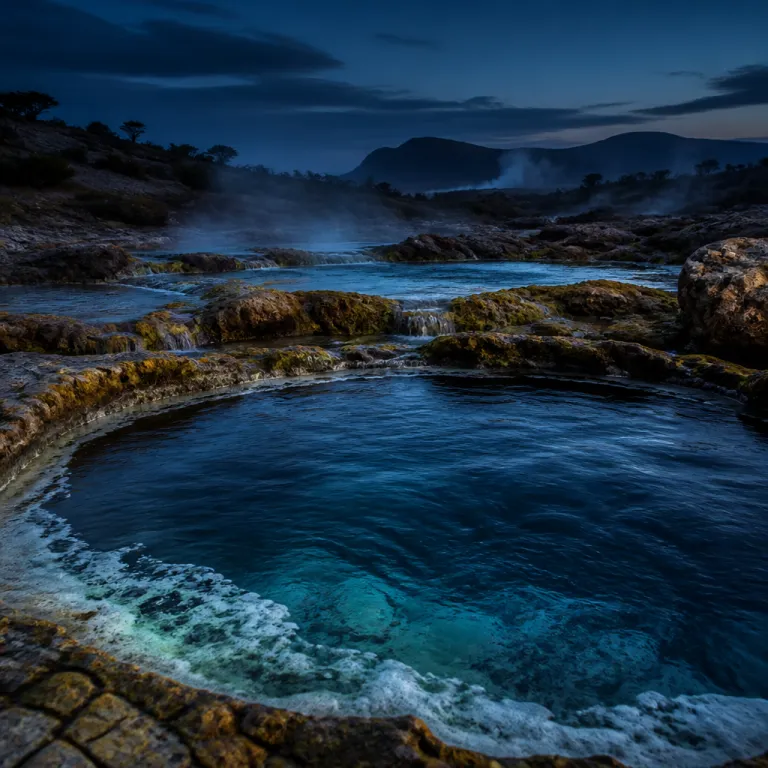
Ethiopia sits on the East African Rift, where the earth’s crust thins and magma rises close to the surface. This geological tension heats underground water, creating hot springs, and every thermal source carries dissolved minerals that shape both local health traditions and modern wellness tourism. For couples used to polished hotel spa circuits, the shift from tiled hammam to raw rock pool turns an Ethiopia hot springs retreat into a landscape driven ritual rather than a scripted treatment menu.
Across the country, from the highlands near Addis Ababa to the Afar lowlands, each regional state hosts its own constellation of springs and pools. Some springs tourism sites are framed by acacia and volcanic rock, while others sit under dense forest canopies where steam threads through juniper branches and birdsong replaces spa playlists. This is where tourism wellness in Ethiopia feels most authentic, because the natural hot water is not an imported concept but part of a long health wellness continuum that predates any hotel or resort.
For travelers reading a scientific journal or an open access article before booking, the language can feel clinical. Yet every Ethiopia study that tracks water chemistry, health medical outcomes or the role of springs in local economies ultimately points back to the same lived experience. A 2020 review by Kebede, Teklemariam and colleagues in the Journal of African Earth Sciences (Vol. 163, doi:10.1016/j.jafrearsci.2019.103704), for example, mapped major geothermal fields and noted how traditional bathing practices align with zones of high mineral content. You step into hot water that has travelled through rock for decades, and the case for slowing down becomes self evident.
Sodere and Negash Resort: classic thermal escapes from Addis Ababa
South east of Addis Ababa, Sodere has long been the hot springs weekend of choice for city couples who want heat, birds and a straightforward drive. The springs sit near the Awash River at roughly 8.43°N, 39.35°E, and the main hot spring pools are large, social and framed by mature trees that host a surprising amount of birdlife for such a compact tourism enclave. Water temperatures typically hover between 37°C and 40°C, according to local facility notices and measurements reported by the Ethiopian Geological Survey, and for travelers who usually book a polished hotel spa, Sodere’s slightly retro infrastructure feels less curated yet the constant flow of natural hot water keeps the focus firmly on health and relaxation.
Nearby Negash Resort raises the comfort level, pairing natural hot pools with landscaped gardens and more premium hotel service. Here, Ethiopia’s geothermal wellness scene becomes a softer, more controlled experience, with staff managing water temperature, pool cleaning and quiet zones in a way that suits couples seeking privacy. The resort’s role in regional tourism wellness is significant, because it shows how a property can respect a spring’s geology while still delivering the kind of attentive service and dining that guests from Addis expect.
From the capital, the drive to these sites in Oromia regional state usually takes two to three hours by paved road, making them realistic for a two night stay wrapped around a longer Ethiopian itinerary. Entry fees are paid on arrival and are typically modest by international standards, and no special permits are required for most visitors. Many travelers now pair a Sodere or Negash stay with a night at a higher altitude spa property near Addis Ababa, using places like the forest retreat featured in this guide to Ethiopia’s emerging forest spa scene as a cool counterpoint to the lowland heat. That contrast between crisp mountain air and hot lowland springs is where health wellness starts to feel like a curated journey rather than a single stop.
Wondo Genet and Doho Lodge: forest steam and Rift Valley wildlife
Further south, Wondo Genet offers one of the most atmospheric hot springs settings in state Ethiopia, with steam rising through forested slopes and the scent of damp earth replacing synthetic spa aromas. The springs here are smaller than at Sodere, but the combination of trees, birds and cooler air makes each hot pool feel like a private glade rather than a public bath. Typical pool temperatures range from warm to very hot, with source waters often above 40°C in surveys by the Ethiopian Institute of Geological Surveys, so brief test dips are wise. Couples who care about Ethiopia natural hot springs wellness often describe Wondo Genet as a place where the line between health, romance and landscape blurs in the best possible way.
Close to Lake Hawassa, Wondo Genet works beautifully as part of a wider wellness tourism loop that includes lakefront lodges and more conventional spa facilities. Addis Ababa to Hawassa by road usually takes four to five hours, with Wondo Genet reached by a short detour. You might spend a morning in a simple hot spring pool under the trees, then return to a lakeside hotel for a structured spa treatment and a long lunch by the water. This layering of natural hot immersion with curated hotel spa rituals is where tourism wellness in the Hawassa regional state quietly outperforms more famous African destinations.
On the eastern side of the Rift, Doho Lodge & Hot Springs offers a different case study, pairing geothermal pools with wildlife and birding in a lowland setting. Here, the hot springs sit within a broader eco lodge concept, where the role of tourism is as much about conservation and community as it is about health medical benefits. The lodge lies several hours’ drive from Addis Ababa, and access is usually by 4x4, especially in the rainy season between June and September. Couples who want more detail on how to combine these stays with other romantic retreats can use our dedicated guide to Ethiopian spa retreats for couples as a planning backbone.
Afar and beyond: Ethiopia’s geothermal frontier for wellness tourism
North east in the Afar regional state, geothermal activity becomes more dramatic, with fumaroles, mineral crusts and intensely hot springs that feel closer to a science fiction set than a hotel brochure. Some of these hot spring sites, such as the Allelo Bad area near Lake Afdera (often spelled Allelobad in older reports), are currently better suited to guided expeditions than to casual spa weekends, because temperatures, access and basic safety all demand serious logistics. For couples used to the controlled environment of a hotel spa, this side of Ethiopia’s hot springs tourism is more about witnessing raw geology than soaking for hours.
Researchers have started to frame Afar’s geothermal fields as a potential engine for future wellness tourism, and more than one Ethiopia study has mapped water chemistry, flow rates and possible health outcomes. A 2018 survey by the Geological Survey of Ethiopia (Geoscience Data Center Report GSE-2018-04) documented chloride rich waters above 60°C in several Afar springs and suggested possible balneological uses if cooling systems and bathing infrastructure were added. A related paper by Teklemariam and Beyene in Geothermics (2016, Vol. 61, doi:10.1016/j.geothermics.2016.01.005) revealed that the mineral content in certain springs could support both health wellness and niche medical tourism, especially for skin and joint conditions, if infrastructure and regulation keep pace. Yet the same body of work also tried to fill a gap in our understanding of how springs tourism can coexist with fragile desert ecosystems and pastoralist livelihoods.
For now, the role of Afar in tourism wellness is still emerging, and luxury travelers should treat it as an add on rather than a core spa destination. Think of it as an open access classroom in geothermal science, where every vent and pool could one day anchor a carefully managed wellness retreat. Until then, couples who prioritise comfort will find that the more developed hot springs in central state Ethiopia offer a better balance between health, romance and reliable hotel service.
Designing a hot springs circuit with luxury stays in Ethiopia
Planning an Ethiopia natural hot springs wellness journey works best when you think in circuits rather than single stops. A classic route for couples starts in Addis Ababa, where you can acclimatise at a high altitude hotel with a strong spa program and refined dining. From there, you drop down to Sodere or Negash for hot springs immersion, then swing south to Wondo Genet or east to Doho Lodge, before looping back to the capital for one last night of city comfort.
Within Addis Ababa itself, the hospitality scene has matured to the point where spa design, health focused menus and thoughtful service now rival many regional capitals. Several upscale hotels publish basic water quality information for their pools, and the Ethiopian Ministry of Tourism periodically releases guidance on safe bathing and environmental standards through public advisories and regional tourism offices. Our guide to diplomatic dining in Addis Ababa shows how the city’s restaurants and hotels are redefining what a stay in Ethiopia’s capital can feel like. When you pair that urban polish with days spent in natural hot pools, the contrast between city and spring becomes part of the wellness tourism experience.
Throughout this circuit, the role of each property is different, and couples should be clear about what they want from every stop. Some hotels excel at classic spa service and structured health medical programs, while others lean into more informal springs tourism with simple pools and strong community ties. As one local information sheet from a regional tourism office puts it, “Mineral-rich waters may aid in relaxation and skin health” and “Are Ethiopian hot springs safe for swimming? Generally safe; always follow local guidelines and safety measures.” and “How can I access these hot springs? Most are accessible by car; some may require guided tours.”
FAQ: Ethiopia’s natural hot springs for luxury travelers
Are Ethiopian hot springs suitable for a romantic luxury trip ?
Yes, several hot springs in Ethiopia work very well for couples who value comfort and privacy. Places like Negash Resort, Wondo Genet and Doho Lodge pair geothermal pools with decent rooms, attentive service and access to nature. The key is to combine these with higher end hotels in Addis Ababa or Hawassa, so your overall itinerary balances rustic springs with refined spa experiences.
How far are the main hot springs from Addis Ababa ?
Sodere and Negash Resort lie within a few hours’ drive of Addis Ababa, making them realistic for a two or three night escape. Wondo Genet and Hawassa require a longer road journey but reward you with cooler air, forested hills and lake views. Doho Lodge sits further east and works best as part of a broader Rift Valley or wildlife focused itinerary.
What health benefits can I expect from Ethiopian hot springs ?
The mineral rich hot water is often used locally for relaxation, skin conditions and joint discomfort, although individual responses vary. Scientific study in Ethiopia has focused on water chemistry and temperature rather than formal clinical trials, so you should treat any health gains as a bonus rather than a guaranteed outcome. For most travelers, the real benefit lies in enforced slowing down, warm immersion and time away from screens.
Do I need a guide to visit Ethiopia’s natural hot springs ?
For developed sites such as Sodere, Negash Resort or Wondo Genet, a guide is not strictly necessary if you are comfortable with Ethiopian roads and local customs. In more remote areas, especially in the Afar regional state or around lesser known springs, a qualified local guide or tour operator is strongly recommended. They help with navigation, language, safety and cultural etiquette, which all matter when springs tourism intersects with everyday community life.
How should I choose between a hotel spa and a natural hot spring ?
Hotel spas in Ethiopia offer controlled temperatures, professional therapists and predictable service, which suits travelers who want structure and clear health wellness programs. Natural hot springs provide a more elemental experience, where geology, weather and local culture shape each soak. Many couples find that the most rewarding itineraries combine both, using hotel spas for treatments and natural springs for unhurried immersion in the landscape.