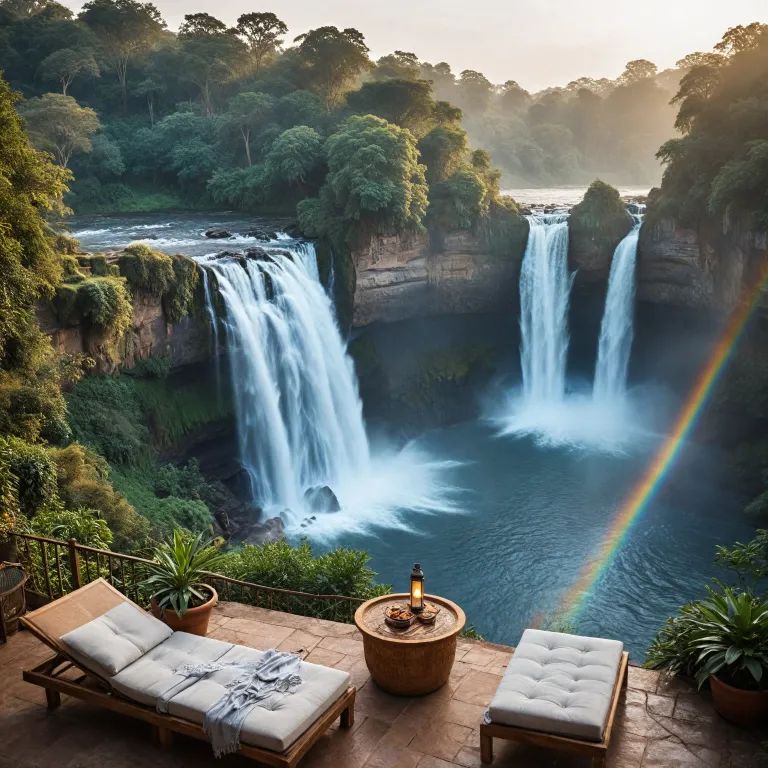
Blue Nile Falls as a centerpiece of luxury travel in Ethiopia
Blue Nile Falls, known locally as Tis Abay, anchors many refined journeys through northern Ethiopia. For travelers seeking premium stays, the falls create a natural focal point around which to design days of curated tours, private transfers, and tailored experiences across this part of Africa. The combination of dramatic water, lush riverbanks, and nearby mountains offers a rare setting for luxury hotels that frame every visit with a sense of quiet grandeur.
The falls stand about 30 km downstream from Bahir Dar and Lake Tana, which has become a strategic base for high end properties and elegant lodges. From these hotels, guests can arrange half day or full day excursions to the Blue Nile, timing their visit to match either the mist filled rainy season or the gentler dry season. Many itineraries pair the power of the Nile Falls with serene boat rides on Lake Tana, visits to rock hewn monasteries, and sunset views that highlight the deep blue tones of the water and sky.
Because the Blue Nile is also a source of hydroelectric power, water flow can vary, and informed hotel concierges help guests choose the best moment to visit Blue Nile Falls. They understand how the rainy season transforms the falls into a 400 meter wide curtain, while the dry season reveals sculpted rock and quieter pools. This expertise is crucial for travelers who want to photograph the falls blue and appreciate how Ethiopia balances tourism, conservation, and energy needs.
Designing luxury itineraries around Blue Nile Falls and Ethiopian gastronomy
Premium hotel booking platforms in Ethiopia increasingly build multi day itineraries that connect Blue Nile Falls with other highlights of Ethiopia northern routes. A typical journey might begin in Addis Ababa, continue to Bahir Dar for the Blue Nile, then extend to Gondar, the Simien Mountains, and onward to the Danakil Depression. These curated tours allow guests to experience the contrast between cool mountains national landscapes, volcanic depression terrain, and the lush riverine world around the Nile River.
Within Bahir Dar, luxury hotels use their proximity to Lake Tana and the Nile Falls to craft immersive cultural experiences. Guests can attend a traditional coffee ceremony after returning from Tis Abay, tasting single origin beans while watching the sun set over the lake. Many properties also collaborate with chefs who reinterpret regional dishes, and travelers can read more about this culinary focus through a dedicated feature on culinary excellence and chef interviews on Ethiopian luxury hotel platforms.
For travelers comparing hotels online, the most helpful booking sites present Blue Nile Falls not only as a scenic stop, but as part of a broader narrative about Ethiopia and Africa. They highlight how rainy season conditions intensify the falls blue mist, how the dry season reveals walking paths, and how national parks such as the Simien Mountains and Bale Mountains complement a visit. By integrating practical details on park access, guided tours, and the best days to visit Blue Nile, these platforms help guests align their expectations with the realities of water levels and regional logistics.
Balancing nature, heritage, and hydroelectric power in luxury stays
Blue Nile Falls occupies a unique position where natural spectacle, cultural heritage, and modern infrastructure intersect. The hydroelectric station upstream diverts part of the Blue Nile for power generation, which can reduce water volume at Tis Abay during certain days. Luxury hotel booking websites that serve discerning travelers address this transparently, explaining how rainy season patterns and dam operations influence the appearance of the Nile Falls.
Historically, Emperor Susenyos commissioned the first stone bridge near the falls in 1626, and many high end tours include this bridge as a quiet stop on the walk to the viewpoints. Guests often appreciate how the bridge, the water spray, and the surrounding mountains create a layered sense of Ethiopia northern history. When hotels frame this story well, they transform a simple visit to the Blue Nile into a deeper engagement with the country’s past and present.
Because the falls lie within a broader ecological corridor, responsible platforms also connect Blue Nile Falls with nearby national parks and mountains national areas. Travelers can combine a stay in Bahir Dar with excursions to the Simien Mountains National Park or the Bale Mountains National Park, using premium lodges as staging points. These itineraries often continue south or east toward the Danakil Depression, where the contrast between lush water at the falls and arid volcanic landscapes in the depression underscores Ethiopia’s diversity.
How premium booking platforms curate multi destination journeys
For travelers planning a refined circuit through Ethiopia, the most effective booking platforms act as curators rather than simple listing directories. They present Blue Nile Falls, Lake Tana, and Bahir Dar as one cluster, then link this cluster to Gondar, the Simien Mountains, and Addis Ababa with clear routing suggestions. By outlining how many days to allocate in each location, they help guests balance time between water based experiences, high altitude hikes, and cultural visits.
Many itineraries begin in Addis Ababa, where international arrivals connect with domestic flights to Bahir Dar or Gondar. From there, guests can travel by road between Lake Tana, the Nile Falls, and the castles of Gondar, before continuing to the Simien Mountains National Park for trekking and wildlife viewing. Some luxury travelers then extend their journey to the Danakil Depression, contrasting the cool mountains national climate with the intense heat of the depression and its salt flats.
Throughout these journeys, premium hotel booking websites in Ethiopia emphasize seamless logistics, private guides, and flexible tours. They explain how the rainy season affects road conditions near Blue Nile Falls, how the dry season can be better for certain mountain hikes, and how national parks manage visitor numbers. By integrating real time information about water levels at the falls blue cascade and access conditions in parks, these platforms build trust and help travelers choose the right days to visit Blue Nile and its surrounding attractions.
Elevating the online booking experience for luxury stays near Blue Nile Falls
One of the deepest challenges for luxury and premium hotel booking websites in Ethiopia is presenting Blue Nile Falls within a coherent, high value digital experience. Travelers expect detailed photography of the Blue Nile, clear descriptions of room categories, and honest explanations of how the rainy season and dry season affect the falls. Platforms that excel in this area often follow best practices similar to those outlined in guides on elevating your stay through luxury and premium hotel booking websites in Ethiopia.
These sites highlight proximity to Lake Tana, ease of access to Tis Abay, and curated tours that include both the Nile Falls and nearby rock hewn churches. They also provide clear information on transfers from Addis Ababa, whether by air to Bahir Dar or by road through Ethiopia northern landscapes. When combined with transparent pricing, flexible cancellation policies, and multilingual support, this level of detail reassures guests who may be visiting Africa for the first time.
Another hallmark of strong platforms is their focus on storytelling around national parks and mountains national regions. They show how a stay near Blue Nile Falls can be paired with time in the Simien Mountains or Bale Mountains, and how the Danakil Depression offers a dramatic counterpoint to the lush water of the Nile River. By weaving together falls, lakes, mountains, and cultural rituals such as the coffee ceremony, these booking sites create an emotional connection that goes beyond simple room reservations.
Integrating culture, seasons, and sustainability into high end stays
Luxury travelers increasingly seek meaning alongside comfort, and Blue Nile Falls offers a powerful stage for this blend. After a morning walk to the viewpoints at Tis Abay, guests might return to their hotel for a traditional coffee ceremony that explains Ethiopia’s role in the history of coffee. This ritual, often performed on terraces overlooking Lake Tana or the Blue Nile, connects the sensory experience of water, aroma, and landscape.
Premium booking platforms also educate guests about the best time to visit Blue Nile Falls, emphasizing that the most impressive views usually occur during the rainy season. They explain that the falls reach a height of about 42 meters and can expand to roughly 400 meters in width when the Blue Nile is in full flow. “The best time to visit is during the rainy season (June–September) when the falls are at their fullest.”
At the same time, these sites acknowledge that the dry season has its own appeal, with easier walking paths and clearer views of the rock formations around the falls blue pools. They encourage travelers to combine a visit to Blue Nile with time in national parks, whether the Simien Mountains National Park, the Bale Mountains National Park, or other national parks across Ethiopia northern and southern regions. By presenting falls, lakes, mountains, and the Danakil Depression within a single, coherent narrative, luxury hotel booking websites in Ethiopia help guests appreciate how water, geology, and culture shape every stay.
Key statistics about Blue Nile Falls and nearby regions
- Approximate height of Blue Nile Falls Tis Abay cascade : 42 meters from crest to plunge pool.
- Approximate maximum width of the falls during the peak rainy season : around 400 meters of continuous water.
- Distance from Bahir Dar to the main Blue Nile Falls viewpoints : about 30 kilometers by combined road and trail access.
Essential questions for planning a luxury stay near Blue Nile Falls
What is the best time to visit the Blue Nile Falls?
The most dramatic views of Blue Nile Falls usually occur during the rainy season, when the Blue Nile carries greater volumes of water. At this time, the falls can extend to several hundred meters in width, and mist often rises high above Tis Abay. Travelers who prefer easier walking conditions and clearer rock formations may choose the dry season, accepting a reduced flow in exchange for gentler trails.
How do I get to the Blue Nile Falls?
Most luxury travelers reach Blue Nile Falls by flying into Addis Ababa, then taking a domestic flight to Bahir Dar. From Bahir Dar, hotels or tour operators arrange road transfers of about 30 kilometers toward the Blue Nile, followed by short hikes or boat crossings depending on the chosen route. Premium booking platforms typically coordinate these services, ensuring that guests move smoothly between their hotel, Lake Tana excursions, and the main viewpoints over the Nile Falls.
Is there an entrance fee to visit the Blue Nile Falls?
Yes, visitors pay a modest entrance fee to access the main trails and viewpoints around Blue Nile Falls. Many luxury hotels and tour companies include this fee within their overall package price, simplifying logistics for guests. Travelers booking independently should confirm the current amount in advance and carry local currency for any additional services near Tis Abay.