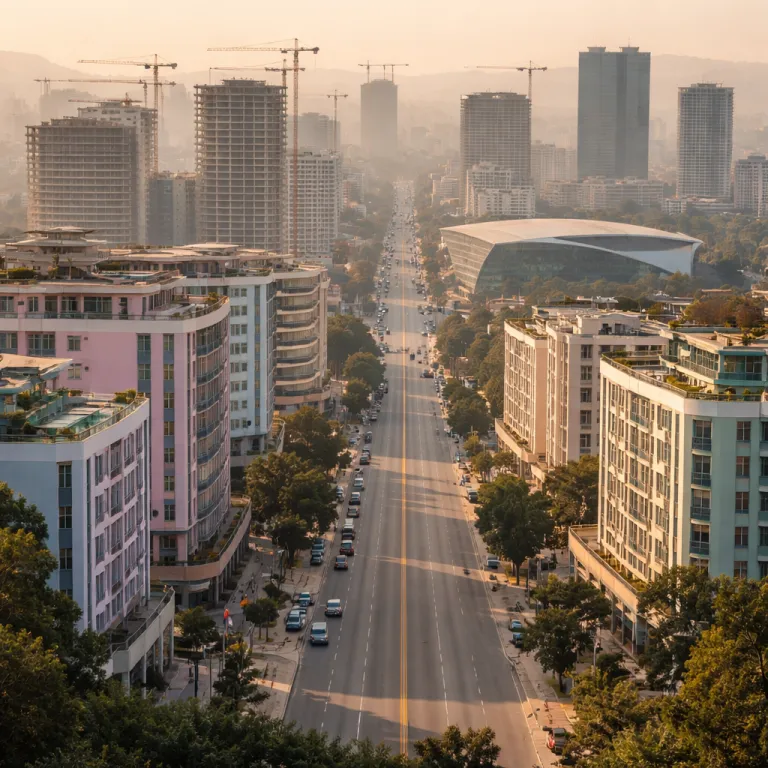
The real story behind hotel Ethiopia 2026 and the COP32 rush
Hotel Ethiopia 2026 is less about distant pipelines and more about where you can actually sleep in comfort next year. Ethiopia now has an active pipeline of roughly 6,000 rooms across more than 30 branded hotels under development, with close to 80 percent already under construction, according to recent African hotel industry pipeline surveys and Ethiopian Investment Commission briefings released in 2023. That pipeline is reshaping how luxury travelers should plan stays in the capital and beyond. For a traveler focused on refined service, the question is whether to secure a hotel in Ethiopia before COP32 pressure from across East Africa pushes rates sharply higher.
The Ethiopian government is driving this surge in hotel investment to boost tourism and prepare the country for major events, and Addis Ababa is the clear focal point of this East Africa build out. In public statements, officials have outlined targets to grow bed capacity in the capital from roughly 25,000 to as many as 80,000 ahead of COP32, scheduled for late 2027, when more than 80,000 international delegates are expected to arrive based on Ministry of Tourism and African Union planning scenarios. That means hotel Ethiopia 2026 is the last relatively calm booking window before large corporate groups, diplomatic missions and multilateral agencies begin blocking inventory months in advance.
Why is Ethiopia expanding its hotel industry? To boost tourism and prepare for COP32 in 2027, as set out in government tourism strategies and investment promotion documents that highlight hospitality as a priority sector for Africa-facing capital. Which cities are seeing the most hotel development? Addis Ababa is the primary focus of development, followed by secondary hubs such as Bahir Dar and Hawassa. Are international hotel chains investing in Ethiopia? Yes, many are committing to new projects or refurbishments due to the growing market, the country’s role as a diplomatic capital and its position as a key aviation hub for East Africa.
For luxury guests, the nuance lies in separating true high end openings from capacity infill that simply adds rooms without elevating the experience in this part of Africa. International hotel chains are partnering with local developers and an Ethiopian investment group ecosystem to bring in modern construction techniques, sustainable materials and smart technologies, while domestic players such as the Midroc investment structure are expanding their own portfolios. In this context, hotel Ethiopia 2026 becomes a strategic choice between established icons in the capital—such as long standing five star addresses like Sheraton Addis or Radisson Blu near Meskel Square or Bole—and new properties that may still be in soft opening when COP32 related demand peaks.
Corporate travelers extending trips into leisure should expect Addis Ababa’s prime districts along the airport route and around the United Nations area to feel the earliest pressure from COP32 related bookings. Government agencies have urged large organizations to share their projected room needs early, which will tighten availability at the top end of the hotel market in the country. If you want a specific suite category or club floor in a flagship hotel in Ethiopia, late 2026 is when you secure it, ideally six to nine months before arrival, not when the first COP32 news headlines about full occupancy start circulating across Africa.
How COP32 will shape luxury rates and where to book in Addis Ababa
For hotel Ethiopia 2026, the most important dynamic is how COP32 in the capital will push demand backwards into the final quarter of the year. Large delegations from across East Africa, including Tanzania and Uganda, are already mapping their preferred hotel and route combinations between Bole International Airport, the African Union and the United Nations compound. As those delegations firm up plans, they will quietly block suites and meeting spaces in the city’s leading properties, long before most leisure travelers even start reading the news.
On the ground, international hotel chains are competing with local investment group structures such as Midroc investment to secure prime plots in Addis Ababa’s central business district and around Meskel Square. The Ethiopian government has used public private partnerships and foreign direct investment to accelerate this process, and the result is a mix of Marriott franchised flagships, independent luxury addresses and high capacity conference hotels. For travelers focused on hotel Ethiopia 2026, the sweet spot is the established luxury property that will not be under scaffolding when you arrive, but will still benefit from recent soft refurbishments funded by this billion birr scale development wave.
Business leisure guests should pay attention to how room blocks for COP32 will affect rate patterns in the capital and in secondary cities such as Bahir Dar. As Addis Ababa moves closer to hosting the conference, corporate event displacement will start to push some high end travelers towards quieter destinations along classic tourism routes, including Lake Tana and the Blue Nile area. To navigate this, use detailed planning resources such as our guide to essential luxury hotel booking tips for an exceptional stay in Ethiopia, then lock in cancellable rates at your preferred hotel in Ethiopia before large delegations from across Africa finalize their share of the inventory.
From a pricing perspective, hotel Ethiopia 2026 will likely see a gradual tightening rather than a sudden spike, as Midroc investment entities, international brands and local owners calibrate their revenue strategies. Expect premiums for rooms with clear views over the capital’s skyline or fast access to the main conference route, especially in properties managed by a global investment group with sophisticated revenue tools. If you value calm over proximity, consider luxury hotels slightly removed from the densest construction zones, where you can still enjoy Ethiopian coffee ceremonies and highland light without the soundtrack of cranes.
Travelers who plan to extend business trips into leisure should also watch how airlines adjust schedules and fares between Addis Ababa and regional hubs such as Dar es Salaam in Tanzania or Entebbe in Uganda. As COP32 approaches, these East Africa routes will carry more delegates, which may influence both flight and hotel availability for last minute trips into the country. Booking early for hotel Ethiopia 2026 gives you more flexibility to adjust dates while keeping a firm hold on the level of service and space you expect.
Iconic Ethiopian hotels and calm alternatives beyond Addis Ababa
While the capital absorbs most of the COP32 attention, hotel Ethiopia 2026 is also about where to retreat when Addis Ababa feels like a construction site. Along the northern route, Bahir Dar has emerged as a refined base for exploring Lake Tana and the Blue Nile, with a growing cluster of premium hotels that balance contemporary comfort and traditional Ethiopian hospitality. Here, investment from both local owners and regional players from across East Africa is reshaping what a lakefront stay in the country can feel like.
On the shores of Lake Tana, several properties now offer suites with direct water views, curated coffee programs and access to private boat trips towards the Blue Nile outlet. These hotels are benefiting from the same wave of tourism focused investment that is transforming the capital, but without the intense corporate event pressure that COP32 brings. For travelers comparing hotel Ethiopia 2026 options, Bahir Dar and its surroundings offer a calmer rhythm, where you can still secure top tier rooms even as Addis Ababa’s luxury inventory is increasingly urged towards large group bookings.
Executives extending trips can also look at cross border itineraries that combine Ethiopia with Tanzania or Uganda, using Addis Ababa as a hub before retreating to quieter luxury lodges or coastal hotels in Dar es Salaam. In this context, the role of major Ethiopian investment group structures, including Midroc and its leadership from the Midroc CEO, is significant because their regional portfolios help align standards across Africa. To compare elevated stays across the highlands and lakes, consult our curated selection of elevated stays on the Ethiopian plateau for refined travelers, then cross check breakfast and service expectations with our guide to Ethiopia premium hotels with breakfast.
For hotel Ethiopia 2026, the smartest strategy is to pair a primary stay in the capital with a secondary base in Bahir Dar or another lakeside town along Lake Tana. This two stop approach spreads your risk if COP32 related construction or security perimeters tighten around key districts in Addis Ababa, while still giving you access to the country’s emerging luxury scene. As the prime minister and senior officials continue to promote tourism as a pillar of national development, the combination of government incentives, foreign direct investment and local capital is ensuring that both singular hotel experiences and broader networks of hotels across East Africa will keep improving well beyond the current news cycle.
In practical terms, that means booking cancellable rates at your preferred hotel in Ethiopia, monitoring official announcements from the Ethiopian government and major international hotel chains, and staying alert to how large delegations from across Africa are shaping demand. By treating hotel Ethiopia 2026 as a defined window before COP32 rather than just another year in the calendar, you gain access to established properties before heavy refurbishment cycles and corporate event displacement fully take hold. For discerning travelers, this is the moment to secure rooms that reflect Ethiopia’s unique blend of heritage, modernity and highland hospitality, while the rest of the world is still focused on headline numbers rather than actual keys in hand.