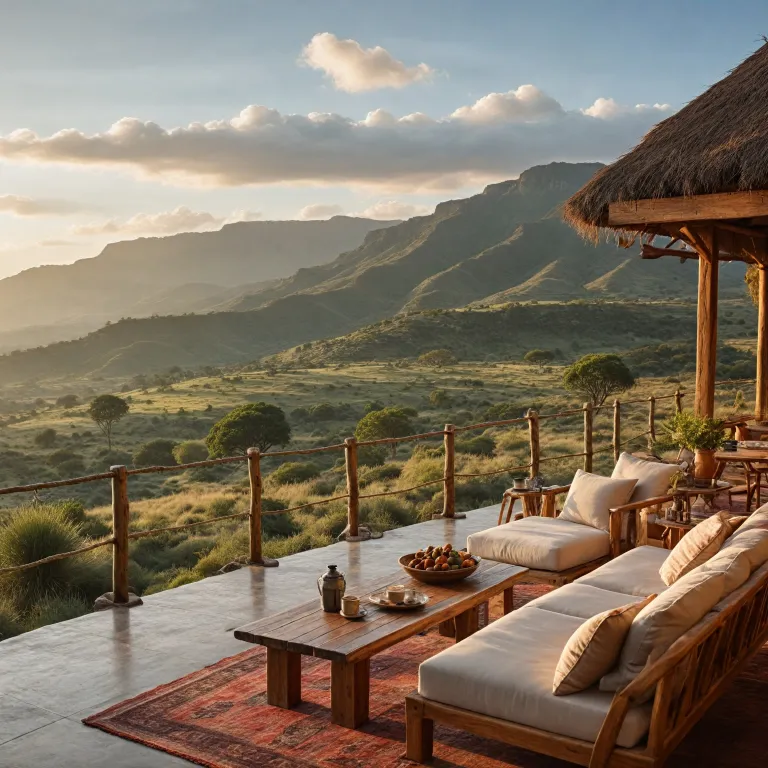
Elevated horizons of the Ethiopian plateau for luxury stays
The Ethiopian plateau shapes almost every premium journey through Ethiopia, because its highlands frame the country’s most refined hotel experiences. Rising well above sea level, these mountains and valleys create a temperate climate that feels gentle even when eastern Africa heats up elsewhere. For travelers planning luxury stays, understanding this elevated region helps you choose the right city, lodge, or resort for each stage of your days on the road.
Geographers describe the Ethiopian plateau as a vast highland region that covers much of central Ethiopia and part of Eritrea, with the Ethiopian highlands forming its rugged heart. This region high above surrounding low lying plains includes both western and eastern highlands, separated in places by the great rift and the dramatic rift valley. When you book a premium hotel here, you are not just choosing a room ; you are choosing a specific altitude, climate, and landscape that will shape your stay from sunrise to nightfall.
Many of the most elegant hotels sit near the escarpments that drop toward the eastern rift and the wider great rift system, where views stretch across a basin lake or a winding river far below. In northern Ethiopia, properties near lake Tana combine access to monasteries with tranquil waterfront suites that reflect the plateau’s spiritual heritage. The Ethiopian plateau also supports a dense network of cities and towns, so you can pair remote lodges in the highlands great with polished urban hotels in Addis Ababa during the same trip.
Climate, seasons, and how altitude shapes luxury comfort
Choosing a luxury hotel on the Ethiopian plateau means thinking carefully about climate, altitude, and the rhythm of the dry season. At an average elevation of around 2 500 metres, the Ethiopian highlands offer cooler air than low lying parts of eastern Africa, which many guests find ideal after hot days of exploration. However, temperatures and rainfall vary between north and south, and between central cities and more remote mountains, so your booking strategy should reflect these subtle shifts.
In northern Ethiopia, the climate on the plateau tends to be relatively mild, with crisp evenings that suit properties offering fireplaces, heated pools, or thick duvets. Further south along the rift valley, some luxury lodges sit closer to the floor of the great rift, where the climate can feel warmer and drier, especially during the long dry season. When you compare hotels, look for clear information about altitude above sea level, seasonal temperatures, and how each property manages comfort in both wet and dry periods.
Climate change is already influencing rainfall patterns across Ethiopia and Eritrea, and premium hotels on the Ethiopian plateau increasingly highlight water management and energy efficiency in their sustainability narratives. Some properties near lake Tana or along a major river now invest in rainwater harvesting, solar power, and native landscaping to adapt to shifting conditions. For discerning guests, these responses to climate change are becoming part of the value proposition, adding environmental responsibility to the traditional markers of luxury such as spacious suites and attentive service.
Regions, routes, and where luxury hotels cluster on the plateau
Most luxury and premium hotels on the Ethiopian plateau cluster along a few key corridors that follow historic trade routes and modern infrastructure. In central Ethiopia, Addis Ababa acts as the primary gateway, with high end properties that cater to international travelers arriving from the United States, Europe, and across eastern Africa. From this hub, you can connect to northern Ethiopia, the eastern highlands, or the south, each region offering distinct landscapes and cultural experiences.
To the north, routes toward Bahir Dar and lake Tana, then onward to the mountains of the Amhara and Tigray regions, trace the spine of the Ethiopian highlands. Here, hotels often combine views of the plateau and nearby valley systems with access to historic churches and archaeological sites that feature in every serious article about Ethiopia. The Ethiopian plateau in this north–south corridor feels particularly dramatic, with cliffs dropping toward the rift valley and the eastern rift, and with roads that follow ancient paths between highland towns.
Eastward, toward the borderlands of Eritrea Ethiopia, the plateau narrows and the terrain becomes even more rugged, yet select premium lodges use this remoteness as a selling point. South of Addis Ababa, the road that parallels the great rift and its basin lake chains offers a different style of stay, with resorts overlooking lakes and wildlife rich wetlands. Across these regions, the pattern is clear ; the most successful luxury hotels align their architecture and guest experience with the specific character of their section of the Ethiopian plateau.
Design, culture, and elevated experiences in Ethiopian luxury hotels
On the Ethiopian plateau, the most compelling luxury hotels use design and service to interpret the surrounding highlands rather than to shut them out. Many properties draw inspiration from the stone architecture of the Amhara and Tigray peoples, whose villages have long dotted the western highlands of Ethiopia and central Eritrea. Thick walls, shaded courtyards, and terraces oriented toward the mountains help moderate the climate while framing views of the plateau and nearby valley.
In northern Ethiopia, high end lodges near lake Tana or along the upper reaches of a river often integrate local crafts, from handwoven textiles to carved wooden ceilings, into suites and public spaces. This approach turns each room into a quiet article of cultural storytelling, linking guests to the history of the Ethiopian highlands and the wider Ethiopian plateau. Some hotels also curate guided walks along the escarpments that overlook the great rift or the eastern rift, allowing guests to appreciate how the plateau rises above low lying plains and the distant sea level.
Digital storytelling now extends this sense of place, as properties share images of the mountains, highlands, and rift valley on social media to reach travelers long before they arrive. For a deeper perspective on how culture and technology intersect in this sector, you can read a detailed analysis of cultural fusion in luxury and premium hotel booking websites in Ethiopia at this specialist hospitality insight. Across the Ethiopian plateau, this blend of design, culture, and digital presence helps hotels stand out in a competitive market while remaining grounded in their highland context.
Booking strategies for premium stays across the Ethiopian plateau
Planning a luxury itinerary across the Ethiopian plateau requires more than simply comparing room rates and star ratings. Because the region high above surrounding lowlands is so varied, you should think in terms of altitude bands, climate zones, and travel times between mountains, valleys, and lakes. A well structured trip might combine a central city stay in Addis Ababa with time in northern Ethiopia near lake Tana and a final segment along the rift valley or great rift lakes.
When evaluating hotels, look for clear descriptions of how the property relates to the Ethiopian highlands and nearby geographical features such as a basin lake, river gorge, or escarpment. Serious travelers often read at least one in depth article about Ethiopia’s geography before booking, because it clarifies why some drives take longer than they appear on a map. The Ethiopian plateau’s rugged terrain means that a short distance between highlands great and low lying areas near the eastern rift can still involve winding roads and significant elevation changes.
It is also wise to align your reservations with the dry season in your chosen region, especially if you plan to explore remote parts of the Ethiopian plateau. Premium hotels tend to fill quickly during popular festival periods in both Ethiopia and Eritrea, so booking several months ago would have secured the best suites. Today, flexible cancellation policies, transparent references edit on booking platforms, and direct communication with hotel teams can help you secure elevated stays that match your expectations.
Data, trust, and how information shapes highland hotel choices
Reliable information is essential when choosing a luxury hotel on the Ethiopian plateau, because altitude, climate, and access can vary sharply within a single district. Many travelers consult encyclopaedia Britannica or similar references edit to understand how the Ethiopian highlands relate to the wider Ethiopian plateau and eastern Africa. Others turn to nasa satellite imagery and national mapping services to visualise the great rift, the eastern rift, and the rift valley that frame these highlands.
Hotel websites increasingly reference data about sea level, average temperatures, and rainfall to reassure guests about the climate they can expect. Some properties even mention studies from the United States or international agencies on climate change impacts in Ethiopia and Eritrea Ethiopia, especially where water resources and a nearby basin lake are concerned. As a traveler, you can use this information to compare how different hotels on the Ethiopian plateau manage environmental risk, from energy use to drought resilience during the dry season.
Social media adds another layer of insight, as guests share images and comments about real conditions in both singular hotel and plural hotel stays across the mountains and valleys. Cross checking these impressions with formal references edit, national tourism portals, and established encyclopaedia Britannica style resources helps you filter marketing claims from verifiable facts. In a region as complex and elevated as the Ethiopian plateau, this blend of qualitative stories and quantitative data is the surest path to confident, well informed luxury bookings.
Key statistics about the Ethiopian plateau
- The Ethiopian plateau has an average elevation of about 2 500 metres above sea level, creating a cooler climate than surrounding low lying regions.
- The highest peak on the Ethiopian plateau is Ras Dejen, which rises to approximately 4 533 metres and dominates the northern Ethiopia skyline.
- The Ethiopian plateau covers close to 45 percent of Ethiopia’s total land area, yet it supports more than 85 percent of the country’s population.
Essential questions about the Ethiopian plateau for travelers
What is the Ethiopian Plateau?
The Ethiopian Plateau is a highland region in eastern Africa, covering much of Ethiopia and central Eritrea, characterized by rugged terrain and significant elevations. For travelers, this means a landscape of dramatic mountains, deep valleys, and temperate climate zones that strongly influence hotel locations and styles. Most major cultural and historical routes in Ethiopia cross this plateau, so understanding it helps you plan efficient and rewarding itineraries.
What is the highest peak in the Ethiopian Plateau?
The highest peak in the Ethiopian Plateau is Ras Dejen, standing at 4 533 metres. Many premium trekking lodges and guided expeditions in northern Ethiopia use this mountain as a reference point for altitude acclimatisation and route planning. Even if you do not plan to climb, knowing its elevation helps you appreciate how high the surrounding Ethiopian highlands rise above sea level.
How much of Ethiopia's land area does the Ethiopian Plateau cover?
The Ethiopian Plateau comprises nearly 45 percent of Ethiopia's total land area. Because this highland zone supports over 85 percent of the country’s population, it also hosts the majority of its luxury and premium hotels. When you book a stay in Ethiopia, there is a strong chance your chosen property will sit somewhere on this extensive plateau.