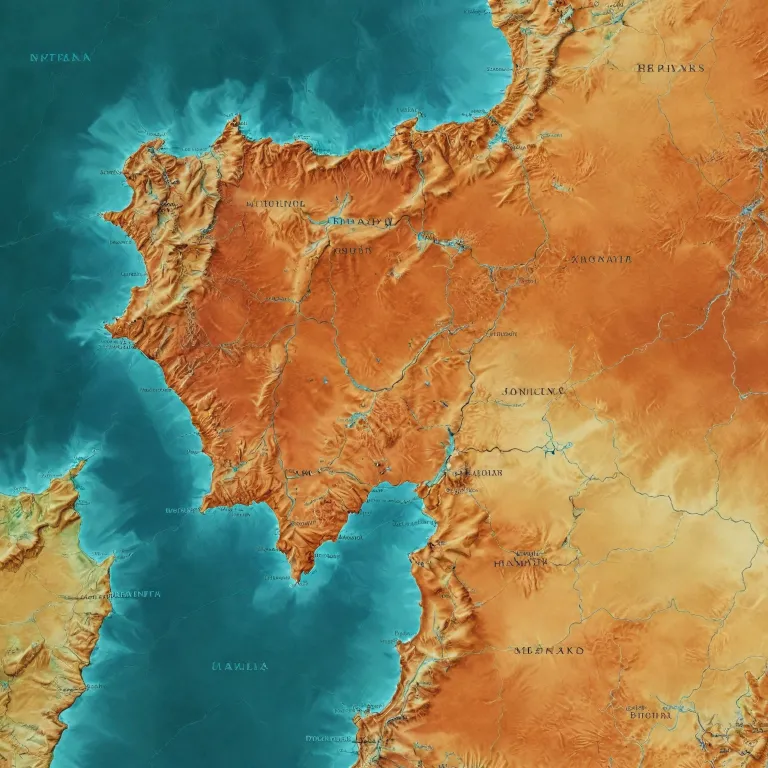
Reading the map of Ethiopian highlands for refined travel planning
The map of Ethiopian highlands is the quiet key to planning a truly refined journey. When you read this map with care, you see how Ethiopia rises from lowland plains into dramatic mountains that shape climate, culture, and access. For travelers seeking premium stays, understanding these highlands helps you align altitude, comfort, and style.
Cartographers show how the Ethiopian Highlands stretch like a vast plateau across the heart of the country, separating the north from the south and creating distinct travel regions. This elevated world, often called the Ethiopian plateau, is divided by the Eastern rift, which forms the spectacular Rift Valley with its chains of lakes and volcanic cones. For luxury and premium hotel booking, this geography explains why some routes are swift and scenic, while others require careful timing and acclimatization.
On any detailed map Ethiopia offers, you will see how the Ethiopian highlands dominate the landscape of eastern Africa, extending into central Eritrea and touching borders with Sudan and South Sudan. These contours are not abstract ; they determine where elegant lodges can perch above valleys, where a national park can protect rare wildlife, and where a city like Addis Ababa can thrive at altitude. For travelers comparing premium properties, reading the map is the first step toward matching your comfort expectations with the realities of terrain and travel time.
Key highland regions for luxury and premium hotel choices
Several distinct regions on the map of Ethiopian highlands stand out for travelers seeking upscale stays. In northern Ethiopia, the Simien range rises in jagged cliffs, and here the celebrated Simien Mountains area hosts some of the most atmospheric lodges in the country. These properties use the drama of the mountains to frame terraces, fireplaces, and spa facilities that overlook deep valleys.
Further south, the Bale area and the broader Bale Mountains region offer a different mood, with rolling moorlands and cloud forests mapped across the southern Ethiopian plateau. On a detailed map Ethiopia provides, you will notice how this plateau sits between the Rift Valley and lowland plains, creating cooler air that suits refined eco-lodges and premium trekking bases. Luxury and premium hotel booking websites in Ethiopia increasingly highlight these highlands as alternatives to more crowded safari circuits elsewhere in Africa.
To the northwest, around Bahir Dar, the map of Ethiopian highlands reveals a softer landscape of lakes and monasteries. Here, the Blue Nile emerges from Lake Tana, and upscale lakeside retreats use water views rather than sheer mountains as their main attraction. When you compare properties online, pay attention to how each listing situates itself relative to national reserves, park boundaries, and altitude bands ; these details, clearly visible on a good map, often explain differences in pricing, privacy, and seasonal comfort.
National parks, wildlife, and altitude on the Ethiopian highlands map
For many travelers, the most compelling parts of the map of Ethiopian highlands are the protected areas. The Simien Mountains area, often labeled as a mountains national reserve or national park, shelters rare wildlife such as gelada baboons and walia ibex along knife edge escarpments. Nearby, the summit of Ras Dashen rises to about 4,550 metres, making it the highest point in the Ethiopian highlands and a focal landmark for high end trekking itineraries.
In the south, the Bale Mountains region forms another major national park, mapped as a mosaic of Afro alpine moorlands, forests, and valleys. Luxury and premium hotel booking platforms increasingly feature lodges here that balance comfort with conservation, using the park setting to offer guided walks focused on endemic wildlife. When you examine a map Ethiopia provides, note how these national reserves sit along the Rift Valley and its escarpments, where tectonic forces and volcanic activity shaped the plateau.
Altitude is another critical layer on the map, especially for guests used to sea level in the Middle East or coastal Africa. Cities like Addis Ababa already sit high on the Ethiopian plateau, and remote lodges in northern Ethiopia or the Bale area can be higher still. “Prepare for high-altitude conditions.” and “Be aware of varying climates across elevations.” ; these two simple guidelines from field experts should shape how you read contour lines, plan acclimatization nights, and select properties that match your fitness and comfort expectations.
Rift valley, lakes, and salt landscapes in premium itineraries
The Eastern Rift Valley cuts through the map of Ethiopian highlands like a dramatic geological signature. This great rift separates the western and eastern highlands, creating a corridor of lakes, hot springs, and volcanic cones that appeal to travelers seeking contrast within a single itinerary. On a detailed map Ethiopia offers, you can trace how the Rift Valley links Addis Ababa with southern regions and onward routes toward South Sudan and Kenya.
Within this rift corridor, several freshwater and salt lakes host birdlife and relaxed resorts that complement more rugged mountains stays. Premium hotel booking websites often pair a few nights on the Ethiopian plateau with time beside these lakes, allowing guests to balance cool highland air with warmer lowland breezes. The contrast is especially striking when you consider how, years ago, tectonic uplift and volcanic forces raised the highlands above the surrounding plains of Africa.
To the northeast, the map of Ethiopian highlands shows how the plateau slopes toward Eritrea and the borderlands of Eritrea Ethiopia, eventually descending into some of the hottest depressions on Earth. Here, surreal salt lakes and mineral fields create otherworldly scenes that some high end operators include in carefully managed expeditions. When planning such routes, consult both topographic maps and specialist platforms such as cultural fusion in luxury and premium hotel booking websites in Ethiopia to understand how culture, climate, and comfort intersect along the rift corridor.
Cross border context and the wider atlas of African highlands
Placing the map of Ethiopian highlands within a wider atlas helps travelers appreciate its strategic position. The Ethiopian highlands form a rugged core in eastern Africa, bordered by Sudan and South Sudan to the west and Eritrea to the north, with the Middle East lying just across the Red Sea. This elevated country contrasts with the atlas mountains of North Africa, yet both ranges have shaped trade routes, rainfall patterns, and settlement for millennia.
On a political and physical map Ethiopia, you will see how the Ethiopian plateau extends into central Eritrea, creating a shared highland environment often referred to collectively as the Ethiopian highlands. These mountains once formed natural fortresses, influencing historical ties and tensions in the Eritrea Ethiopia relationship. For modern travelers, this context matters because it explains why some cross border routes remain limited, while internal air links between Addis Ababa, northern Ethiopia, and the south are well developed.
From a hospitality perspective, understanding this broader atlas helps you interpret how premium properties market their remoteness or connectivity. A lodge perched near the edge of a national park in the Simien Mountains may emphasize isolation and views across northern escarpments toward Sudan. By contrast, a refined city hotel in Addis Ababa uses its central position on the plateau to offer efficient access to both Rift Valley lakes and highland mountains, making it an ideal hub for multi region itineraries.
Using the Ethiopian highlands map to choose luxury and premium stays
When you use the map of Ethiopian highlands to compare luxury and premium hotels, start by plotting your priorities. If dramatic mountains and cool air appeal most, focus on Simien and Bale areas, where the Simien Mountains and Bale Mountains regions offer lodges integrated into national landscapes. If you prefer water views and cultural excursions, the Bahir Dar area and nearby lakes of the Rift Valley may suit you better.
Altitude and access should be your next filters, especially if you are arriving from low lying parts of the Middle East or coastal Africa. Properties on the Ethiopian plateau around Addis Ababa or in northern Ethiopia can sit well above 2,000 metres, while some national park lodges near Ras Dashen or in the Bale Mountains rise higher still. “What is the highest peak in the Ethiopian Highlands?” and “Which major river originates from the Ethiopian Highlands?” ; these two verified questions and answers remind travelers that Ras Dashen, at 4,550 meters, and the Blue Nile both originate here, underscoring the altitude and hydrological importance of the region.
Finally, consider how years ago of geological uplift created the highlands that now host your chosen retreats. The same forces that carved the great rift, shaped salt lakes, and fed the Blue Nile also determined where roads, airstrips, and villages could be built. By reading these patterns on a detailed map Ethiopia provides, you can select hotels that align with your appetite for remoteness, your interest in wildlife, and your need for seamless transfers across this remarkable elevated country.
Key statistics about the Ethiopian highlands
- Highest peak (Ras Dashen) in the Ethiopian Highlands reaches approximately 4,550 metres above sea level.
- The average elevation across major sections of the Ethiopian Highlands is estimated at more than 4,100 metres.
- The total length of the Ethiopian Highlands extends for roughly 1,500 kilometres across Ethiopia and into central Eritrea.
Essential questions about the Ethiopian highlands for travelers
What is the highest peak in the Ethiopian Highlands?
The highest peak in the Ethiopian Highlands is Ras Dashen, which rises to about 4,550 metres. On most detailed maps, it appears within the Simien Mountains area of northern Ethiopia, forming a key reference point for trekking routes and nearby premium lodges. Travelers planning high altitude stays should factor this elevation into their acclimatization schedule and hotel selection.
Which major river originates from the Ethiopian Highlands?
The Blue Nile is the major river that originates from the Ethiopian Highlands, flowing primarily from the Lake Tana area near Bahir Dar. On a physical map of Ethiopia, you can trace its course as it leaves the plateau and heads toward Sudan, shaping valleys and agricultural zones along the way. Many upscale properties in the region offer excursions that highlight viewpoints over the Blue Nile and its surrounding landscapes.
How should travelers prepare for varying climates across the Ethiopian Highlands?
Travelers should prepare for significant climate variation across elevations in the Ethiopian Highlands, as temperatures and weather can shift quickly between valleys and high plateaus. Packing layered clothing, sun protection, and rain gear is advisable, especially when moving between Rift Valley lakes and higher mountain national parks. Consulting both topographic maps and local hotel guidance helps align your wardrobe and activity plans with the specific altitudes on your itinerary.
References : Ethiopian Tourism Organization ; UNESCO World Heritage Centre ; Encyclopaedia Britannica.