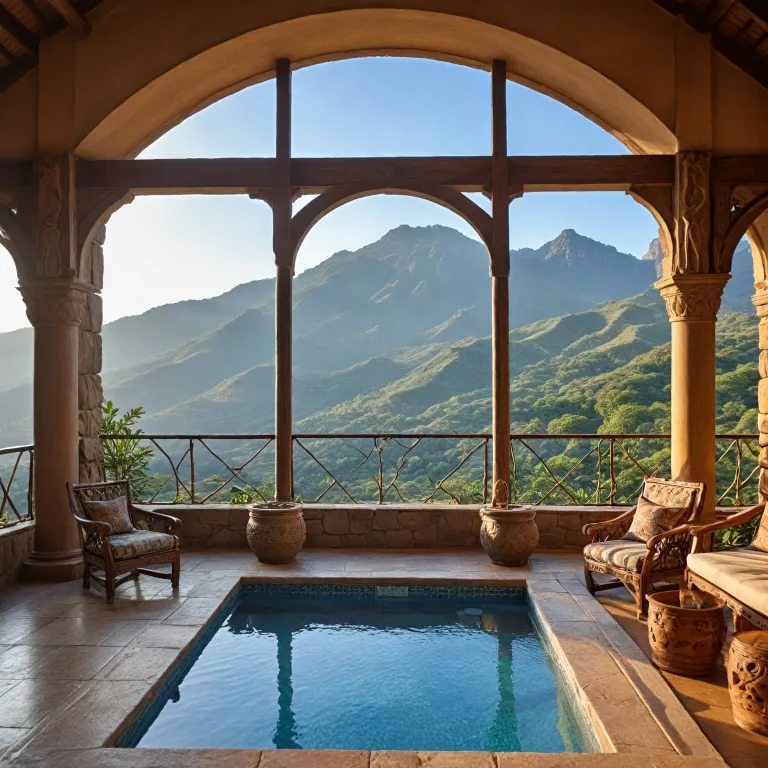
How the best time to visit Ethiopia shapes luxury travel
Choosing the best time to visit Ethiopia is the first decision that defines every premium stay. The country stretches from high mountains to lowland valley landscapes, so the right season transforms how you experience each region and how you select a luxury or premium hotel. For travelers planning to visit Ethiopia for refined comfort, aligning your time of travel with climate, festivals, and regional access is essential.
From September to April, the dry season offers clear skies, manageable rains, and comfortable temperatures for city breaks and nature escapes. This period is widely regarded as the best time for visiting Ethiopia because roads are more reliable, trekking routes are safer, and high end properties can curate more outdoor experiences. When you plan your time to visit, you also gain better value from premium services such as rooftop lounges, heated pools, and panoramic terraces.
The Ethiopian Tourism Organization and the Ministry of Culture and Tourism emphasize that climate and cultural events should guide every travel calendar. Their guidance underpins how luxury hotels in Addis Ababa and across the northern circuit design seasonal offers and curated itineraries. According to official advice, “The best time to visit Ethiopia is from September to April, during the dry season and major cultural festivals.”
For a luxury focused guest, this best time window means more stable temperatures, fewer disruptions from the rainy season, and easier access to remote mountains or the Rift Valley. It also means that your chosen hotel can coordinate private transfers, scenic flights, and exclusive excursions with fewer weather related cancellations. Understanding this relationship between season and service quality is the foundation of a successful time visit to Ethiopia.
Season by season guide to visiting Ethiopia in comfort
Luxury travelers evaluating the best time to visit Ethiopia should think in distinct climate phases rather than simple wet and dry labels. The main dry season from September to April is ideal for most premium itineraries, but each month within this time of year offers a different balance of greenery, temperatures, and crowd levels. Aligning your visit with these nuances helps you choose the right hotel category and location for your stay.
September and October follow the main rains, so landscapes across the country are lush and rivers fuller. This early dry season is often considered the best time for photography focused travel, with clear air in the mountains and vibrant fields in the Rift Valley and Omo Valley. For guests who value serenity, this season from June to September transitioning into September and October can feel calmer than peak holiday months.
From November through jan feb and then feb mar, skies are typically clear and temperatures in Addis Ababa average around 20 °C, which suits urban luxury stays. This is also when many travelers consider it the best time to visit Ethiopia for cultural events, as major festivals fall within this broader time of year. High end hotels respond with special menus, private viewing terraces, and concierge curated access to ceremonies.
By oct nov and into nov dec, the climate remains favorable for visiting Ethiopia, but some regions begin to warm. This is a strategic time visit for guests who want value driven premium offers, as some properties adjust rates after peak festival periods. Throughout the season June to April window, the key is to match your preferred climate with the specific region and style of hotel you choose.
Mountains, valleys, and the rainy season for high end stays
Ethiopia’s geography means that the best time to visit Ethiopia varies between mountains and valley regions, especially for luxury and premium travelers. The Simien Mountains, Bale Mountains, and the highlands near Addis Ababa offer cool air and dramatic views, while the Omo Valley, Rift Valley, and Danakil Depression present warmer, more extreme conditions. Understanding how the rainy season and dry months affect each area helps you select the right hotel and the right time visit.
In the Simien Mountains and Bale Mountains, the main trekking season aligns with the broader best time window from September to April. Trails are more stable after the heavy rains, and temperatures are cool enough for comfortable hiking with high end lodges providing heated rooms and fireplaces. Luxury travelers often plan their visiting Ethiopia itineraries so that mountain stays fall in October or November, when the landscape is still green but paths are drier.
In contrast, the Omo Valley and the wider omo region, including the omo valley cultural routes, can be challenging during the peak rainy season. Roads may become muddy, and some remote communities are harder to reach, which affects how premium tour operators and hotels can deliver reliable service. For this reason, many consider the best time to visit Ethiopia’s southern circuits to be during the drier months from oct nov through feb mar.
The Danakil Depression, one of the hottest places in the country, demands even more careful timing. The best time of year for a time visit there is usually between nov dec and feb mar, when temperatures, while still intense, are marginally more manageable. Premium operators schedule early morning excursions and coordinate with high end hotels in the northern circuit to ensure guests rest in comfort before and after this demanding experience.
Aligning luxury hotel choices with the northern circuit
The northern circuit is central to many itineraries built around the best time to visit Ethiopia, especially for travelers seeking luxury and premium hotels. This route typically links Addis Ababa with historic cities and the Simien Mountains, creating a blend of culture, scenery, and refined accommodation. Because altitudes are higher across much of the northern country, temperatures remain relatively mild even in warmer months.
From September through june september, the post rainy season clarity makes this region particularly attractive. The Simien Mountains and simien mountains lodges benefit from clear views, while city hotels in the northern circuit offer rooftop bars and terraces that take advantage of crisp evening air. During this time of year, luxury properties often coordinate helicopter transfers or private scenic flights, which are safer and more visually rewarding outside the peak rainy season.
Addis Ababa, as the main gateway for visiting Ethiopia, plays a crucial role in how you structure your time visit. High end hotels in the capital act as staging points for journeys to the Rift Valley, omo valley, and Danakil Depression, with concierge teams monitoring weather and flight conditions. Many guests choose to spend both the first and last nights of their travel in Addis Ababa to buffer any seasonal disruptions.
For a deeper understanding of how the Ethiopian highlands influence refined stays, you can consult a detailed guide on the Ethiopian highlands for refined stays in Ethiopia at Ethiopian highlands for refined stays in Ethiopia. This perspective reinforces why the best time to visit Ethiopia’s northern circuit often overlaps with the main dry season. It also shows how hotel selection, season, and route planning combine to create a seamless premium experience.
Designing premium itineraries around festivals and climate
For many guests, the best time to visit Ethiopia is not only about weather but also about cultural depth. The period from September to feb mar hosts several major festivals, and luxury hotels design special programs that align with these events. When you plan your time of year carefully, you can enjoy both comfortable temperatures and meaningful cultural immersion.
In Addis Ababa and across the northern circuit, high end properties often provide guided access to processions, private transport, and post event receptions. Because these festivals fall within the broader dry season, the risk of heavy rains disrupting plans is lower, which is crucial for premium travel. This is another reason why many consider this window the best time for visiting Ethiopia with a focus on culture and comfort.
During the rainy season, typically outside the main September to April window, some luxury travelers still choose to visit Ethiopia for quieter hotels and greener landscapes. However, they usually limit their time visit to regions with better infrastructure, such as Addis Ababa or certain parts of the Rift Valley. In these months, premium hotels emphasize indoor wellness facilities, spa treatments, and gastronomy rather than extensive outdoor excursions.
For those planning complex itineraries that include the omo valley, Bale Mountains, and Danakil Depression in a single year, working with specialized travel advisors is essential. These experts understand how season June patterns, including june september rainfall, affect road conditions and flight schedules. Their insight ensures that your best time to visit Ethiopia is tailored not only to climate but also to the specific luxury and premium experiences you value most.
Practical tips for luxury and premium hotel bookings in Ethiopia
Once you have identified the best time to visit Ethiopia for your interests, the next step is to secure the right hotels. Premium properties in Addis Ababa, the Simien Mountains, Bale Mountains, and the omo valley often see strong demand during the main dry season. Booking several months ahead for peak periods such as oct nov, nov dec, and jan feb helps ensure access to preferred room categories and suites.
Because temperatures and altitude vary widely across the country, packing layers is essential even during the best time of year. High mountain regions can feel cool at night, while the Rift Valley and Danakil Depression remain hot, so versatile clothing supports both comfort and elegance. Many luxury hotels offer same day laundry, which allows you to travel light while still being prepared for changing season conditions.
When visiting Ethiopia during the rainy season or shoulder months like june and september, confirm cancellation policies and weather related contingencies with each property. Premium hotels that understand the nuances of the rainy season will clearly explain how they manage potential disruptions to transfers or excursions. This transparency is a strong indicator of credibility and trustworthiness in the luxury segment.
Finally, consider structuring your time visit so that you begin and end in Addis Ababa, using the capital as a stable base. This approach allows you to adjust internal flights to the northern circuit, omo valley, or Bale Mountains if unexpected rains or temperatures affect your plans. With thoughtful planning around season, geography, and hotel selection, you can make the best time to visit Ethiopia align perfectly with a refined and memorable stay.
Key statistics for planning the best time to visit Ethiopia
- Average daytime temperature in Addis Ababa between September and April is approximately 20 °C, offering comfortable conditions for city stays and pre or post tour nights.
- Annual rainfall in Addis Ababa is around 1 200 mm, with the heaviest rains typically falling outside the main September to April dry season favored by many luxury travelers.
Essential questions about the best time to visit Ethiopia
What is the best time to visit Ethiopia?
The best time to visit Ethiopia is from September to April, during the dry season and major cultural festivals.
Are there any major festivals in Ethiopia during this period?
Yes, festivals like Meskel in September and Timkat in January are celebrated during this period.
What should I pack for a trip to Ethiopia?
Pack layers for varying temperatures, comfortable walking shoes, and respect local customs by dressing modestly.