Reading the weather: how September reshapes Ethiopia for luxury stays
September in Ethiopia sits in that subtle space between the wet season and the classic dry season, and this is where the real magic begins. In Addis Ababa the average high temperature hovers around 22 °C, while the last of the rainy season showers keep the air crisp and the light soft enough to flatter every mountain and valley. For travelers focused on the ethiopia september travel shoulder season, this is the best time to balance comfort, value, and atmosphere across very different regions of the country.
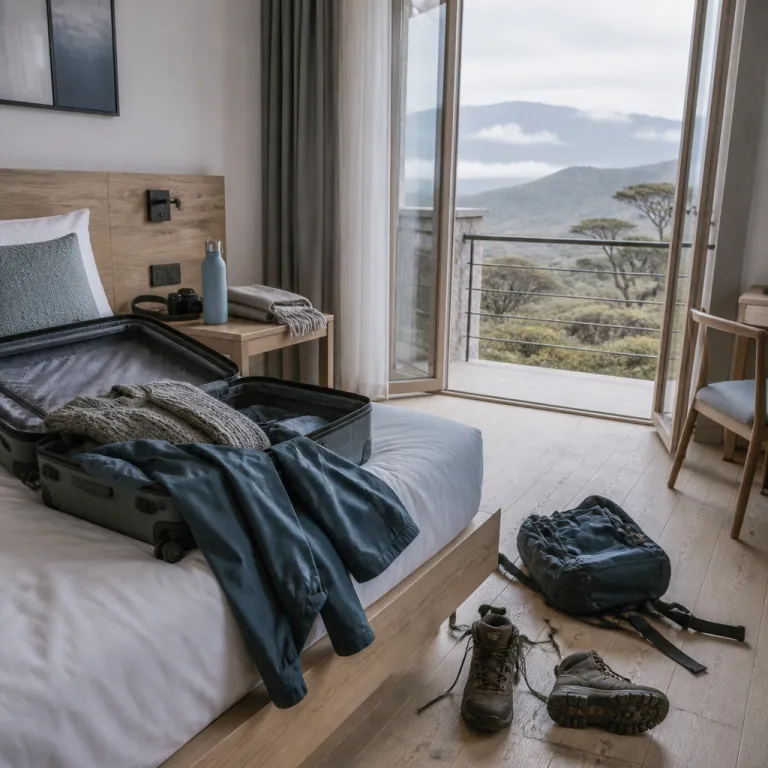
Highland cities and the surrounding mountains are still shaking off the heavy july august rains, so you should expect some showers but also intensely green slopes and clear post storm skies. When you visit Ethiopia in these months, the Simien Mountains and Bale Mountains feel freshly washed, with national park plateaus carpeted in wildflowers and long views over every valley. Luxury lodges in Simien Mountains National Park and Bale Mountains National Park often treat guests to fireplaces at night and sun drenched terraces by day, a combination that defines the low season charm of this shoulder period.
Down in the Rift Valley and around Lake Tana near Bahir Dar, the rains retreat more slowly, and the Blue Nile swells into a dramatic cascade that rewards those who timed their travel for this season. It is a good time to check road conditions in advance, because some days can still bring heavy rains that affect access to more remote national park areas. If you are visiting Ethiopia with an eye on both comfort and photography, this is the best season to capture the contrast between dry escarpments, wet fields, and the deep green that only appears right after the rainy season ends.
Festivals, cities, and rate patterns: why September suits the solo luxury traveler
In Addis Ababa, September is not only about weather ; it is about rhythm, ritual, and how the city’s luxury hotels respond to the calendar. Enkutatash, the Ethiopian New Year, and the Meskel festival turn the capital into a stage of bonfires, processions, and late night coffee ceremonies that unfold in both national squares and discreet hotel courtyards. For the solo traveler using the ethiopia september travel shoulder season to visit Ethiopia, this is the best time to pair five star comfort with front row access to culture.
Hotel data from leading Ethiopian hospitality groups show that September usually sits below the peak dry season rates of later months, yet above the deepest low season discounts of the wettest weeks. That means you can often secure upgraded rooms in Addis Ababa or Bahir Dar for stays of several days, especially if you book before local residents lock in their Meskel long weekends. When you plan your time to visit, think of September as a flexible season where you can still negotiate value, particularly at properties that saw strong demand in july august and now prefer steady occupancy.
For those mapping out times to visit multiple regions, this month also works as a hinge between earlier trips and the coming highlands rush, and our own openings calendar for earlier months at where to book before peak highlands season helps you see how rates evolve. In practical terms, that means you can spend a few days in Addis, then shift to the mountains or Lake Tana once festival crowds thin and prices soften again. This is the kind of season where a solo traveler can move with agility, checking last minute offers while still anchoring key nights around Meskel in advance.
Where September shines: green highlands, powerful waters, and emerging hotel scenes
Outside the capital, the ethiopia september travel shoulder season rewards travelers who understand how each landscape responds to the rains. In the north, Bahir Dar and Lake Tana become staging points for boat trips to island monasteries, while the Blue Nile near the city roars with a force that is rarely matched in the later dry season. This is a good time to visit Ethiopia if you want to see both the country’s spiritual heritage and its hydrological drama in a single trip.
Up in the Simien Mountains, the combination of cool air, green slopes, and fewer crowds makes this one of the best times to visit a national park that can feel busy in the peak dry season. Luxury lodges here often arrange guided walks that start after the morning mists lift, giving you clear views into every valley and a high chance of spotting gelada baboons on sun warmed cliffs. In Bale Mountains, the moorlands and forested valleys of Bale Mountains National Park are equally lush, and the roads are usually passable again after the heaviest rainy season weeks.
Back in Addis Ababa, a new generation of premium hotels is reshaping the city’s convention corridor, and our detailed look at why the MICE boom matters even if you are here for leisure explains how this benefits independent travelers. September sits between major business peaks, so high end properties often have more flexibility on upgrades, late check outs, and curated city experiences for guests staying several days. When you are visiting Ethiopia at this time, you can use Addis as a refined base before or after forays into the mountains, the valley lakes, or the historical north.
When to push further: Omo, Danakil, and how to book smart in shoulder season
For more adventurous travelers, the ethiopia september travel shoulder season raises a different question ; is this the best time to push into the Omo Valley or the Danakil Depression. The short answer is that it can be, but only if you respect how the rainy season shapes access, safety, and comfort in these extreme landscapes. Local tour operators consistently remind guests that "September marks the end of the rainy season, with decreasing rainfall and moderate temperatures."
In the Omo Valley, some roads may still be affected by recent rains, so you should check conditions with Ethiopian guides before committing to specific days, and consider adding buffer time to your itinerary. This is also when cultural encounters feel less staged, because the main tourist waves of other months have not yet arrived, making it a good time to visit Ethiopia if you value unhurried conversations over quick photo stops. For the Danakil Depression, many experts still prefer the cooler months of the later dry season, but well organized expeditions in September can work for travelers who tolerate heat and want to avoid the busiest times to visit.
Solo travelers should treat this season as a strategic low season, using online platforms and trusted partners to balance pre booked nights with flexible segments. Our in depth guide to the Omo River Valley for discerning travelers outlines how to structure multi day journeys that link Addis, national parks, and remote valleys without rushing. When you plan your time to visit across different months, remember that September sits at the hinge between wet and dry, so every decision about where to stay, how many days to spend, and which season to favor will shape the texture of your entire journey through this country.
FAQ
Is September a good time to visit Ethiopia for luxury travel
Yes, September is a good time to visit Ethiopia if you value a balance of comfort, culture, and value. It is a classic shoulder season, with fewer tourists than the peak dry season months and hotel rates that often sit below high season levels. Landscapes are lush after the rains, especially in the mountains and around Lake Tana, which makes this period ideal for photography focused trips.
What is the weather like in Ethiopia in September
September marks the end of the rainy season, with decreasing rainfall and moderate temperatures across much of the country. In Addis Ababa, average daytime highs sit around 22 °C, while the Simien Mountains and Bale Mountains feel cooler, especially at night. Some regions, particularly valleys and lowlands, can still see occasional heavy rains, so packing for variable weather is essential.
How do Meskel and Enkutatash affect hotel bookings in Addis Ababa
Meskel and Enkutatash bring both local and international visitors into Addis Ababa, which can tighten availability at the best luxury properties for a few key days. Rates may rise around the exact festival dates, especially for centrally located hotels overlooking national squares and main processional routes. Booking those nights well in advance, while keeping surrounding dates flexible, is the most effective strategy.
Which regions are best to visit in September, and which need caution
The highlands, including the Simien Mountains, Bale Mountains, and the Lake Tana and Bahir Dar area, are among the best regions to visit in September thanks to green landscapes and cooler temperatures. These areas usually offer reliable access to national park trails and cultural sites once the heaviest rains have passed. Lowland regions such as parts of the Omo Valley and routes toward the Danakil Depression may still face weather related disruptions, so travelers should check conditions with local operators before finalizing plans.
How far in advance should I book luxury hotels for September in Ethiopia
For Addis Ababa and major hubs like Bahir Dar, booking key festival nights several weeks ahead is wise, especially if you want specific room categories or views. Outside those peak dates, the ethiopia september travel shoulder season often allows more flexibility, and some properties release attractive offers closer to arrival. In remote mountain or valley lodges with limited inventory, securing reservations early remains the best way to guarantee space during this transitional season.