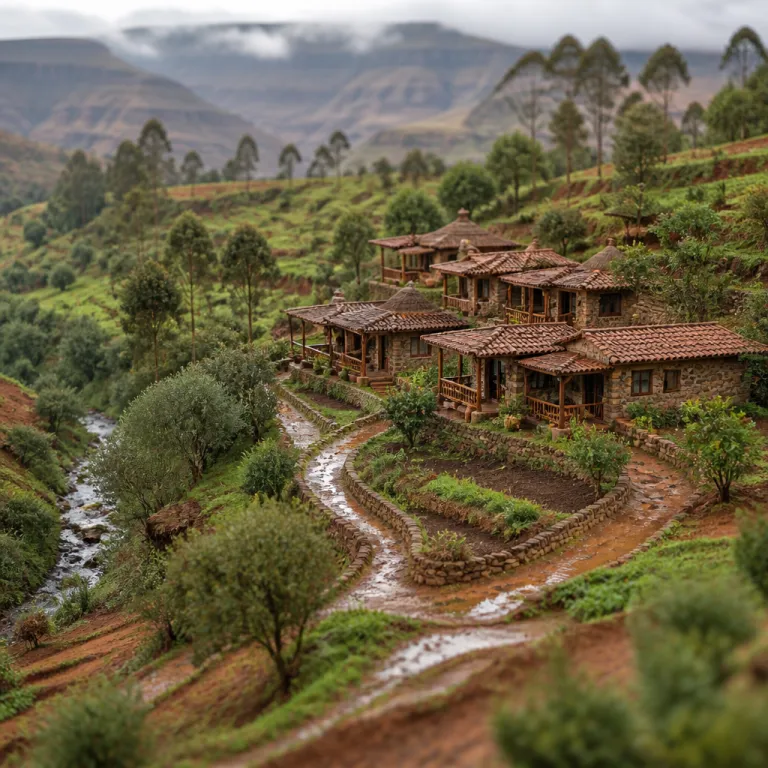
Why Ethiopia’s July green season flatters luxury travelers
For couples planning a July escape to Ethiopia, the green season is the moment when the highlands turn cinematic. The main rainy months reshape how you move around the country, but they also reshape how luxury and premium hotels price, host and pamper guests who are willing to lean into the weather. If you time your visit carefully, you enjoy a rare balance between lush landscapes, attentive service and rates that quietly slide below peak season levels.
In Addis Ababa the average July temperature hovers around 16 °C, according to Ethiopia’s National Meteorology Agency, with typical daytime highs of 20–22 °C and cool evenings, which makes the capital feel more like a European late spring than an equatorial city. Heavy rains usually arrive in short afternoon bursts, with Addis recording roughly 250 mm of rainfall in July, so the best time to explore museums, coffeehouses and galleries is from early morning until mid afternoon, then you retreat to your hotel spa or suite while the rainy season performs outside. This rhythm defines July journeys across Ethiopia’s highlands, from the Simien Mountains to Bahir Dar, and it rewards travelers who check forecasts daily and plan each day’s outings around the likely showers.
Many first time visitors assume that visiting Ethiopia between June and September is a mistake, yet the data and the mood on the ground say otherwise. Local guides consistently answer the question “Is July a good time to visit Ethiopia?” with a confident “Yes, for lush landscapes and fewer tourists.” One Addis-based guide summed it up during a recent season: “We might see four vehicles all day in the Simiens in July, instead of forty in January.” Luxury properties in the northern circuit quietly confirm this, reporting softer occupancy than during the October–March peak season, which translates into upgrades, late check outs and more flexible trekking schedules for guests who choose to visit when the hills are green and the crowds thin out.
Designing your July itinerary around rains, regions and room keys
The key to making the most of Ethiopia’s green season in July is to match each region with its weather personality. In the Simien Mountains and Bale Mountains, mornings are usually clear, valleys glow in soft light and trekking routes feel almost private, while clouds gather after lunch and the rains sweep across each valley in dramatic curtains. This pattern lets you schedule guided trekking before midday, then retreat to a firelit lounge in your lodge or a high floor suite in Addis Ababa for slow coffee and room service when the rainy hours arrive.
For couples focused on wildlife and scenery, the best time to explore a national park such as Bale Mountains National Park or Simien Mountains National Park during the rainy season is from June through August, when wildflowers bloom and waterfalls peak. You should still check road conditions daily, because some tracks in the south and in the Rift Valley can deteriorate, especially near the Omo Valley and South Omo where clay soils turn slick. A practical way to align room reservations with the months when specific parks and valleys are at their most accessible is to consult recent seasonal park reports and hotel opening schedules for June and July, which outline when particular lodges, camps and highland routes are fully operational.
Addis Ababa works well as your arrival and departure base during this time, because the city’s improved road network keeps airport transfers smooth even when the rains intensify. From here, short flights carry you to Bahir Dar on Lake Tana, to the northern circuit hubs or to the Rift Valley lakes, where migratory birds start to arrive from July onward. When you are visiting Ethiopia in this green window, you can structure your travel so that wetter days are spent in urban luxury hotels with strong indoor amenities, while clearer days are reserved for trekking, valley drives and cultural visits in the highlands.
Where the July green season elevates luxury stays — and where it complicates them
Not every corner of Ethiopia responds to the rainy season in the same way, and that matters when you are choosing luxury and premium hotels. The Simien Mountains, Bale Mountains and the highlands around Lalibela and the northern circuit become intensely photogenic between June and September, with deep green slopes and mist filled gorges that make every terrace and every suite balcony feel like a private cinema. In contrast, the Omo Valley and South Omo can be challenging during the same months, because tracks flood and long drives between villages stretch far beyond their dry season duration.
For couples who prioritise comfort, the best strategy is to focus July travel plans on highland hubs such as Addis Ababa, Bahir Dar and the Rift Valley lakes, then leave the Danakil Depression and the Danakil lowlands for a cooler, drier visit between October and March. Luxury lodges in these harsher environments usually suspend operations during the peak rains anyway, because the combination of heat, humidity and access issues undermines the guest experience. If you are curious about how new hotel investments are reshaping which destinations gain from these seasonal shifts, recent hospitality investment briefings on Ethiopia’s multi-hotel development pipelines explain why some national park gateways are adding rooms while others wait for better infrastructure.
In the south, the rainy months can still work if you keep your ambitions modest and check conditions with local guides each day, but for most couples the best time for deep cultural immersion in the Omo Valley is later in the year. By contrast, visiting Ethiopia’s highland national parks in July and August means fewer vehicles on the tracks, more attentive guiding and a sense that the landscape belongs to you and the gelada baboons alone. This is where a carefully designed green season itinerary shines, turning what many see as off season into a quietly luxurious peak season for privacy and atmosphere.
How to book, pack and negotiate for a refined July stay
Luxury and premium hotels across Ethiopia respond to the rainy season with pricing that rewards flexibility. Outside Addis Ababa, many high end lodges reduce rates significantly between June and September, especially in the Simien Mountains, Bale Mountains and around Bahir Dar, so July bookings often secure suites that would be out of reach in the bright, dry months. You still need to check what is included, because some properties trim non essential activities when the rains are strongest, while others lean into the weather with cosy indoor programming.
When you are visiting Ethiopia at this time, pack for contrast rather than constant chill. Highland mornings can feel crisp, so light layers, a fleece and sturdy trekking shoes work well, while afternoons demand a compact umbrella, a waterproof shell and quick drying trousers that can handle muddy paths in any valley or national park. The official guidance that “What should I pack for Ethiopia in July? Waterproof clothing and sturdy footwear.” remains accurate for couples moving between Addis Ababa, the Rift Valley and the northern circuit, and it applies just as much to guests stepping from a limousine into a marble lobby as to those heading out on a full day trek.
On the booking side, travelling in July gives you leverage beyond rate alone. Ask about late check out to match your airport transfer with a dry window, request flexible breakfast times so you can seize clear early hours for city walks in Addis or for short trekking excursions, and enquire whether spa credits or private coffee ceremonies can be added as value rather than discount. For a deeper sense of how Ethiopia’s eco lodge generation is redefining hospitality during and beyond the rainy season, recent features on why Ethiopia’s eco lodge generation will outlast the short term hotel boom show how properties from the Rift Valley to the highlands are building experiences around the rhythm of the rains rather than fighting them.
FAQ
Is July a good time to visit Ethiopia for a luxury trip?
Yes, July can be an excellent time to visit Ethiopia if you value lush scenery, quieter sites and more attentive service in luxury and premium hotels. The rainy season brings afternoon showers, but mornings are often clear, which suits couples who plan activities early and then enjoy spa time or long lunches while the rains pass. As one local answer puts it plainly, “Is July a good time to visit Ethiopia? Yes, for lush landscapes and fewer tourists.”
Which regions work best for Ethiopia green season travel in July?
The highland areas such as the Simien Mountains, Bale Mountains and the surroundings of Bahir Dar generally work best for July green season itineraries. These regions benefit from cooler temperatures, vivid green valleys and strong lodge infrastructure that can handle the rainy months. More remote southern areas such as the Omo Valley and South Omo can be harder to access at this time, so many luxury travelers schedule them for later in the year.
How should I plan my daily schedule around the July rains?
Plan outdoor activities, city walks and trekking for the morning, when skies are usually clearer and light is softer. From early afternoon onward, expect showers between roughly 14:00 and 16:00, which is the ideal window to be back at your hotel for lunch, spa treatments or a coffee ceremony. In the evening, showers often ease, allowing you to head out again for dinner in Addis Ababa or to enjoy views from your lodge terrace in the highlands.
What should I pack for a premium hotel stay in Ethiopia in July?
Pack layered clothing for cool highland mornings, including a light sweater or fleece, plus a waterproof jacket, compact umbrella and quick drying trousers for the rainy hours. Sturdy footwear with good grip is essential, even if you are only planning short walks around a national park or through a valley near your lodge. For Addis Ababa and other cities, smart casual outfits that can be dressed up with a jacket or scarf will suit most luxury hotel restaurants and bars.
Are tourist sites and national parks open during the rainy season?
Most major cultural sites, museums and national parks remain open throughout the rainy season, including in July. Some trekking routes or remote roads may close temporarily after heavy rains, especially in the south and in parts of the Rift Valley, so it is wise to check conditions with your hotel concierge or local guide each day. Popular highland destinations such as the Simien Mountains and Bale Mountains usually stay accessible, though driving times can be longer than in the dry months.