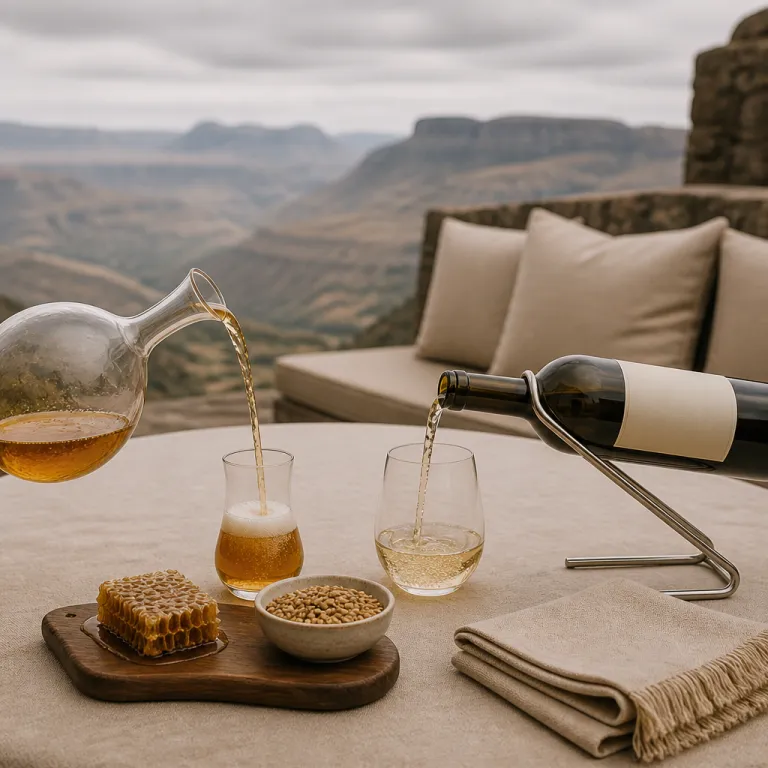
Highland glasses that tell an Ethiopian story
Ethiopian wine and tej in the highlands are not background drinks. They are a lens on how Ethiopia thinks about celebration, hospitality, and the quiet luxury of time. When you plan a highland itinerary, the way you drink this wine and this honey wine will shape how you remember the country.
In Addis Ababa and the surrounding highlands of Entoto and Sululta, the best luxury hotels now treat tej and wine from Ethiopia as seriously as any imported alcoholic beverages. They brief their équipe on the history of these drinks, on the gesho plant that defines traditional honey wine, and on how altitude shapes grapes in the Rift Valley. This is where a Business Leisure traveler can expect a sommelier who will talk as confidently about an Ethiopian honey wine as about a Rhône red.
For guests, the question is simple yet nuanced. Which hotel bar will pour a clean, well filtered tej, which restaurant will curate a bottle wine from the Rift Valley with a proper screw cap, and which lounge will quietly offer a short description of the fermentation process that has run for thousands years in the highlands ? The answers sit in a handful of properties that understand that wine Ethiopia and tej are not novelties but cultural anchors.
Tej in luxury hotels: from tourist trap to ceremonial honey wine
Tej is Ethiopia’s ceremonial honey wine, and in the wrong hands it becomes a cloying tourist drink. In the right luxury dining room, tej is a precise, balanced liquid that carries the scent of highland flowers and the subtle bitterness of gesho Ethiopian traditions. The difference lies in the making, the fermentation gesho ratio, and the patience of the team managing the process.
At serious properties in Addis Ababa, the food and beverage équipe often works with trusted tej houses or in house specialists who understand rhamnus prinoides, the botanical name for the gesho plant. They know that the method yeast choice, often saccharomyces cerevisiae, and the way the liquid is left fermenting for three days or more will define whether the honey stays sweet or dries out into something more gastronomic. They also understand that the population Ethiopians expect tej to be poured in a berele flask, even when the setting is a polished executive lounge.
When you read about Addis Ababa’s diplomatic dining scene reshaping Ethiopian gastronomy, you are really reading about how hotels are reframing traditional drinks for a global audience. A refined tej pairing with kitfo or doro wat in a high end restaurant, as profiled in this guide to diplomatic dining in Addis Ababa, shows how honey, gesho, and controlled fermentation can sit comfortably beside Champagne. For the traveler, this is where Ethiopian wine tej highlands culture stops being a curiosity and becomes part of a serious tasting journey.
Inside the making of tej: what luxury travelers should look for
Understanding how tej is made helps you order better in any Ethiopian hotel bar. Traditional recipes start with Ethiopian honey diluted into a liquid, then mixed with gesho stems or leaves and left fermenting in clay or glass. Over days, wild or added yeast converts sugars into alcohol, and the honey wine slowly clarifies.
In more controlled premium environments, the process is closer to modern winemaking. Teams may use saccharomyces cerevisiae as the primary method yeast, manage temperature, and decide whether they will filter the drink lightly or leave it rustic. Some properties even time their batches so that a fresh, gently fermenting tej is ready after three days for a specific holiday or diplomatic event.
When you sit down in a highland lodge, ask for a short description of how their tej is produced and how many days it has been fermenting. A well trained sommelier will explain whether they used rhamnus prinoides branches or powdered gesho plant, whether the batch rested for three weeks or just three days, and how that affects sweetness. Guides to Ethiopian coffee experiences, such as this overview of coffee from origin farms to ceremony grade hotels, show a similar respect for process, and the best hotels now apply that same rigor to Ethiopian wine tej highlands traditions.
From berele to bottle: how tej is served in premium settings
In family homes across Ethiopia, tej is traditionally served in a rounded glass flask called a berele. In luxury hotels, you will often see a hybrid approach where the honey wine is aged in modern bottles with a screw cap, then decanted into berele style glassware at the table. This allows the team to control oxidation while preserving the visual language that the largest population centers of Ethiopia associate with celebration.
Some high end properties now present tej in a standard wine bottle, complete with label and vintage style short description of the fermentation process. They may explain that the liquid rested on gesho Ethiopian branches, that the fermentation gesho ratio was adjusted for a drier profile, or that the batch used only single origin Ethiopian honey from a specific highland valley. For Business Leisure travelers, this level of detail signals that the hotel treats tej as seriously as any imported bottle wine.
When you read a wine list in Addis Ababa or Lalibela, look for clarity about how the honey wine was made and how long it spent fermenting. If the menu simply lists “tej” without context, ask questions, and if the staff seem to skip content or avoid explaining the process, consider ordering by the glass first. A property that can talk confidently about thousands years of tej history, about rhamnus prinoides, and about why they chose to will filter or not filter their batches is usually a property that understands Ethiopian wine tej highlands culture deeply.
Rift Valley vineyards: when wine Ethiopia meets the highlands
While tej carries the weight of history, modern Ethiopian wine from the Rift Valley brings a different story to your glass. Vineyards near Ziway sit at altitude, which moderates equatorial heat and allows international grape varieties to ripen with freshness. For travelers, this means you can drink a bottle wine from Ethiopia that genuinely reflects local terroir, not just a curiosity label.
Many luxury hotels in Addis Ababa and the northern highlands now list at least one Ethiopian wine alongside global classics. A sommelier might suggest a medium bodied red from wine Ethiopia vineyards to pair with tibs, then follow with a lighter honey wine for dessert. The best teams understand that guests want both a clean screw cap bottle wine for reliability and a more experimental, lightly fermenting tej that speaks to thousands years of local practice.
When planning a highland itinerary, consider building in a tasting led lunch that features both Rift Valley wines and carefully made tej. Some properties can arrange a day trip that starts with a vineyard visit, continues with a guided tasting of several bottles, and ends back in the highlands with a honey wine pairing dinner. This is where Ethiopian wine tej highlands experiences become a coherent narrative, not just isolated drinks on a menu.
Where to drink: highland hotels that respect Ethiopian drinks culture
In Addis Ababa’s hilltop districts and the forests above the city, a new generation of luxury properties is taking Ethiopian drinks seriously. At places like Kuriftu Entoto, profiled in this guide to Ethiopia’s wellness focused forest retreats, you can move from a coffee ceremony to a curated Ethiopian wine and tej tasting in a single afternoon. The setting, often at more than 2 600 metres, gives every glass a highland clarity.
Further north in Lalibela and the Simien Mountains, top lodges now brief their équipes to present tej with the same ceremony as coffee. They may offer a flight of three styles, from a young, sweet honey wine fermented for three days to a more mature batch that has spent many days resting on gesho plant branches. Staff will often explain how the method yeast, sometimes saccharomyces cerevisiae and sometimes wild, shapes the final drink.
For Business Leisure travelers, the most rewarding stays are those where the bar team can talk about the population Ethiopians relationship with alcoholic beverages, about why certain regions prefer sweeter profiles, and about how Ethiopian honey from different altitudes changes the liquid in your glass. If a menu seems to skip content on local drinks while listing only imported labels, that is a missed opportunity. Choose properties that can give you a confident, precise short description of every Ethiopian wine tej highlands option they pour, from berele served honey wine to screw cap sealed Rift Valley bottles.
Key figures behind Ethiopian wine and tej
- Tej has been produced in Ethiopia for thousands years, with historical references linking honey wine to royal courts and religious celebrations across the highlands (source: academic studies on Ethiopian fermented beverages). This deep history explains why the drink still anchors weddings and major holidays today.
- Modern commercial vineyards in Ethiopia’s Rift Valley cover several hundred hectares at altitudes often above 1 600 metres (source: Ethiopian investment and agriculture reports). Altitude allows grapes to ripen with balanced acidity despite the country’s proximity to the equator.
- Ethiopia’s total population, often referred to as the population Ethiopians in demographic reports, now exceeds 120 million people (source: United Nations population data). This large domestic market supports both traditional tej production and the growth of wine Ethiopia ventures.
- Studies on traditional honey wine show that saccharomyces cerevisiae is frequently the dominant yeast species during fermentation, even when no pure culture method yeast is added (source: food microbiology research on Ethiopian honey wine). This helps explain the relatively consistent alcoholic strength of tej across regions.
- Analyses of gesho Ethiopian varieties, classified botanically as rhamnus prinoides, highlight their dual role as both bittering agent and natural preservative in honey wine (source: ethnobotanical surveys in East Africa). This is why gesho plant branches remain essential in the fermentation gesho process for quality tej.
FAQ about Ethiopian wine and tej on a highland luxury trip
How strong is Ethiopian tej compared with grape wine ?
Most traditional tej falls in a similar alcohol range to light grape wine, often between 7 and 14 percent, depending on how much Ethiopian honey is used and how long the liquid is left fermenting. In luxury hotels, batches made with controlled saccharomyces cerevisiae fermentation and clear process notes tend to be more consistent. Always ask staff for a short description of the style before ordering a full bottle or berele.
What should I look for when ordering tej in a hotel bar ?
Ask how many days the tej has been fermenting, whether they used rhamnus prinoides gesho plant, and if they chose to will filter the drink or leave it cloudy. A serious property will explain their method yeast, their fermentation gesho ratio, and whether the profile is dry or sweet. If the team seems unsure or tries to skip content about production, start with a small pour to test quality.
Can I buy Ethiopian wine or tej in bottles to take home ?
Many hotels sell Ethiopian wine in standard bottles with a screw cap, making it easy to transport. Tej is sometimes available in a wine bottle format, but because honey wine continues fermenting, some producers prefer plastic friendly closures or advise consuming within a few days. Always check airline and customs rules on alcoholic beverages before packing multiple bottles.
How do highland hotels pair Ethiopian drinks with food ?
In Addis Ababa and highland lodges, sommeliers often pair Rift Valley red wine with grilled tibs or lamb, then move to a semi sweet tej with spicy doro wat or rich kitfo. The honey in the drink softens berbere heat, while gesho Ethiopian bitterness keeps the palate fresh. Many properties now offer tasting menus where each course is matched with either wine Ethiopia labels or carefully aged honey wine.
Is Ethiopian wine and tej suitable for business entertaining ?
For Business Leisure travelers, serving Ethiopian wine and well made tej signals respect for local culture while still meeting international standards. A curated flight of three drinks, perhaps two grape wines and one honey wine, works well for executive dinners. Choose hotels where the équipe can give confident, detailed explanations of each liquid, from vineyard origin to thousands years of tej history.