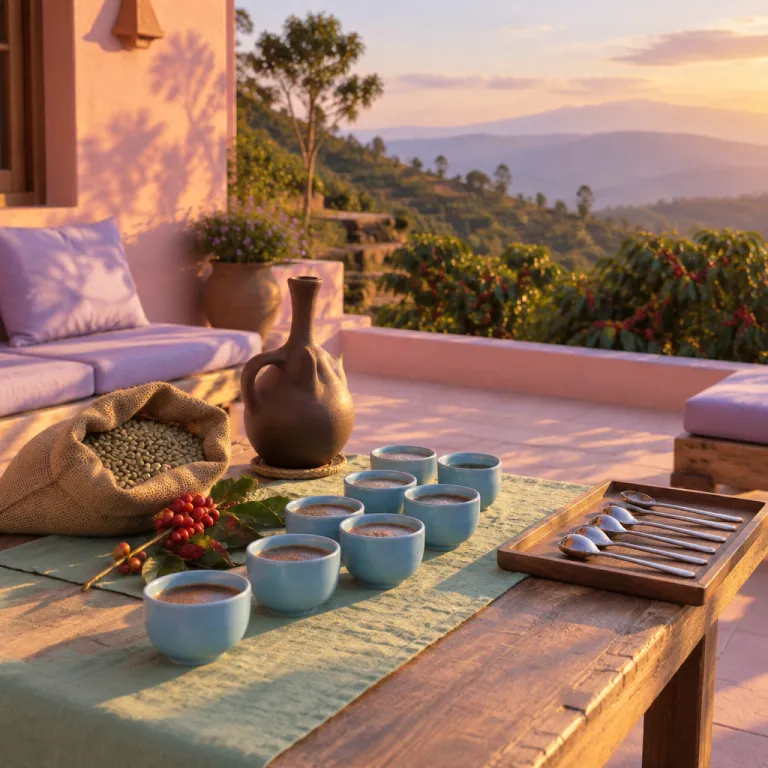
Ceremony versus tasting: what a serious single origin program looks like
In Ethiopia, coffee is not a lobby amenity but a social backbone. A true ethiopia single origin coffee hotel treats every cup as a guided tasting, not a decorative ritual for passing guests. You should feel that the ceremony and the coffees are curated with the same care as the suites.
At serious properties, the Ethiopian coffee ceremony is performed slowly, yet the host also explains origin coffee details such as region, roast level and natural process. They talk about how coffee growing in Sidama differs from coffee growing in the Yirgacheffe region, and why one beans selection might suit a fine espresso while another shines in a coarse French press. This is where coffee Ethiopia heritage becomes a structured tasting, not folklore staged for photos.
Look for a hotel where the coffee roasters they partner with are named, and where you can review a simple tasting card that lists roast, aroma and flavor notes. A strong ethiopia coffee program will offer at least one single origin from Ethiopia Yirgacheffe and another single origin from a different region, each with clear chocolate notes or floral notes described. When the staff can compare light roast and medium roast options in plain language, you know the experience is designed for both connoisseurs and curious travelers.
How to read a hotel coffee menu like a pro
A credible ethiopia single origin coffee hotel menu starts with origin, not milk options. The best coffee lists in Ethiopia name the farm or cooperative, the altitude and whether the beans follow a natural process or washed process. This level of detail is standard in specialty coffee bars in the United States, and it should be normal in high end Ethiopian hotels too.
Scan for clear references to Ethiopia Yirgacheffe, Sidama or Jimma, and check if each origin coffee has tasting notes beyond generic “strong” or “smooth”. You want to see specific notes such as sweet citrus, dark chocolate or jasmine, with an indication of roast level from light roast to medium or darker profiles. When a menu only lists “Ethiopia coffee” without region or process, you are probably paying a premium price for a basic commodity blend.
Ask whether the beans are organic or conventionally grown, and whether any variant sold at the hotel shop is traceable back to a single cooperative. A thoughtful property will explain why one cup is better suited to a French press while another is ideal for a fine espresso shot. If the barista can talk you through coffees that are currently sold or temporarily sold unavailable due to harvest cycles, you are in the right place.
Matching origins to travel regions: tasting what you can visit
The most rewarding ethiopia single origin coffee hotel stays connect your cup to the landscape outside your window. In Addis Ababa, you might sip a single origin Ethiopia Yirgacheffe in the morning, then plan a road trip to the same region with the concierge. That link between cup and countryside turns a pleasant drink into a narrative of place.
In the south, properties near Hawassa or Yirgacheffe can arrange visits to coffee growing communities where you walk among the trees that produced your beans. A knowledgeable host will explain how the natural process used in some coffees from this region creates intense sweet fruit notes and chocolate notes, compared with washed lots that feel cleaner and more floral. When you return to the hotel, tasting those same coffees again in a controlled setting lets you review the differences with new context.
Along the western routes toward Jimma, some lodges now feature on site coffee roasters who work directly with local farmers. Here, you might compare a light roast from Jimma with a medium roast from Sidama, each brewed as coarse French press or as fine espresso to highlight different textures. The best coffee programs in these regions also talk frankly about price, explaining how your order supports farmers and why certain variants are sold unavailable outside harvest season.
UNESCO heritage and what authenticity means in hotels
The Ethiopian coffee ceremony is currently under active consideration for UNESCO Intangible Cultural Heritage status, and that matters for travelers choosing hotels. Properties that respect this heritage do more than stage a quick roast and pour; they treat the ceremony as a living ritual with three rounds of brewing and time for conversation. If you want to understand what authenticity now means at your hotel, read a deeper analysis on this UNESCO coffee ceremony and hotel authenticity guide.
In practice, an authentic program will show you green beans before the roast, invite you to smell the first waves of aroma and explain why the roast level is chosen for that specific origin. You might taste an Ethiopia coffee from Yirgacheffe in the first round, then a different region in the second, comparing sweet floral notes with darker chocolate notes. Hotels that rush the ceremony or outsource it entirely rarely offer this depth of engagement.
For solo travelers from the United States or other states, this is a rare chance to see how coffee Ethiopia culture shapes daily life. A serious ethiopia single origin coffee hotel will encourage questions about the beans, the women leading the ceremony and the social etiquette around each cup. That curiosity is welcomed, not treated as an interruption to the performance.
How to tell if a hotel coffee program is real or decorative
Before you book, the easiest test is to email the hotel and ask three specific questions about its coffee. First, ask which regions of Ethiopia their single origin coffees come from and whether any are Ethiopia Yirgacheffe lots. Then ask how they brew these coffees for guests, whether as French press, pour over or fine espresso.
If the reply lists at least two distinct regions and mentions roast level, process and tasting notes, you are likely dealing with a genuine program. When a property can explain why one origin coffee is served as a light roast with bright sweet acidity, while another is a medium roast with dark chocolate depth, you know someone is thinking like a specialty coffee professional. A vague answer about “local Ethiopian coffee” with no mention of beans, region or process is a red flag.
On arrival, look for visible bags of beans with clear labels, not anonymous jars. A serious ethiopia single origin coffee hotel will show the name of the coffee roasters they work with, the harvest date and sometimes the price paid to farmers. If you see variants marked as sold unavailable because a particular micro lot has finished, that is a sign of integrity rather than poor planning.
Questions to ask your barista or host
At the bar, ask which coffee Ethiopia origin they personally recommend for your first cup and why. A confident barista will steer you toward the best coffee for your taste, perhaps a light roast Ethiopia Yirgacheffe with jasmine aroma or a medium roast Sidama with chocolate notes. They should be able to explain whether the beans were processed using a natural process or washed method, and how that affects sweetness and body.
Next, ask how they adjust grind size for coarse French press versus fine espresso, and whether they change the recipe for different coffees. In a well run program, they will describe how a lighter roast level needs a slightly finer grind and longer brew time to extract the sweet citrus notes. If they shrug and say all coffees are treated the same, you are not in a serious tasting environment.
Finally, ask whether you can order a small flight of two or three single origin cups for a side by side review. Many high end properties will happily prepare a trio of coffees from different regions of Ethiopia, each brewed in the same method so you can compare aroma, flavor and finish. This is where the ethiopia single origin coffee hotel concept comes alive for solo travelers who want to learn without any classroom formality.
From buna to cup: roasting, grinding and storytelling on site
The most compelling hotel coffee experiences in Ethiopia start long before the kettle boils. In some Addis Ababa properties, you can watch small batch coffee roasters turning green beans into fragrant brown, while a host explains the journey from farm to cup. That transparency is rare even in many cafés in the United States, and it transforms a simple drink into a masterclass.
When a hotel roasts on site, you can often choose between a lighter roast level that highlights floral notes and a medium roast that leans into dark chocolate richness. Staff might suggest tasting the same Ethiopia coffee as both a French press and a fine espresso, so you can review how texture and intensity shift with method. This kind of guided comparison is what separates a generic luxury property from a true ethiopia single origin coffee hotel.
Storytelling matters as much as technique. A skilled host will tell you which region your beans come from, how coffee growing fits into local livelihoods and why certain lots are sold unavailable outside a short harvest window. They may even show you different variant sold labels for micro lots, explaining why one commands a higher price due to exceptional sweet fruit notes and chocolate notes.
Grinding rituals and brewing methods that respect the beans
In traditional ceremonies, beans are ground by hand just before brewing, and serious hotels respect that timing. Even when using modern grinders for efficiency, they grind to order for each cup, adjusting between coarse French press and fine espresso settings. This preserves the natural aroma and prevents the flat, tired flavors you often meet in mass market coffees.
Ask whether the hotel can brew your chosen single origin as both a French press and a pour over, then compare. A light roast Ethiopia Yirgacheffe might show delicate jasmine and sweet lemon in a pour over, while the same beans in a French press feel rounder with more chocolate notes. Hotels that understand these differences will happily walk you through a side by side review, rather than pushing a single default method.
For guests used to specialty coffee bars in the United States, this level of care will feel familiar yet deeply rooted in Ethiopia’s own buna traditions. The best coffee programs bridge old and new, pairing the jebena ceremony with precise control over grind size, water temperature and brew time. When all of this is explained clearly, you leave not just caffeinated but genuinely informed.
Timing your trip around harvest and origin visits
Planning an origin focused trip to Ethiopia means thinking in harvest windows, not just flight prices. Coffee growing regions such as Yirgacheffe, Sidama and Jimma each have slightly different picking and processing calendars, which shape what you will taste in your cup. A well informed ethiopia single origin coffee hotel will help you align your stay with these cycles.
During and just after harvest, you are more likely to find fresh crop single origin coffees with vivid sweet acidity and complex aroma. Hotels may feature limited variant sold lots from Ethiopia Yirgacheffe or Sidama, clearly marked on menus and sometimes sold unavailable once the small stock is gone. This is the moment to order tasting flights, compare light roast and medium roast expressions and ask detailed questions about natural process versus washed coffees.
In the off season, serious properties shift focus to education and cellar style offerings. They might highlight how certain Ethiopia coffee lots age gracefully, developing deeper chocolate notes and dark chocolate tones that work beautifully in fine espresso. For travelers from the United States and other states, this is a chance to understand seasonality in a way that supermarket coffees rarely reveal.
Linking wellness, spa stays and coffee focused itineraries
Many travelers now pair coffee centric trips with wellness focused stays in Addis Ababa and the highlands. Some luxury properties integrate coffee scrubs and aroma rituals into their spa menus, using organic beans from nearby farms. If you are building a broader itinerary, explore this guide to Ethiopia luxury hotels with spa and premium wellness experiences to see how coffee and relaxation can align.
In these settings, the same single origin beans that anchor your morning cup might appear in an exfoliating treatment or a scented foot bath. Therapists often explain how caffeine and natural antioxidants in coffee support circulation, while the aroma of freshly ground beans calms the mind. When a property connects these dots thoughtfully, it reinforces the idea that coffee Ethiopia culture is about care and hospitality, not just caffeine.
For solo travelers, this combination of tasting, learning and unwinding can turn a short city stopover into a meaningful pause. A refined ethiopia single origin coffee hotel will help you order the right coffees for your energy levels, perhaps suggesting a gentle medium roast in the evening instead of a punchy fine espresso. That kind of guidance shows the staff are thinking about your whole journey, not just the next transaction.
Addis Ababa’s emerging coffee led dining scene
In the capital, a new generation of chefs and baristas is weaving coffee into the broader dining narrative. Some of the most interesting hotel restaurants now design menus where Ethiopia coffee pairings are as considered as wine pairings. You might sip a light roast Ethiopia Yirgacheffe with a citrusy starter, then move to a medium roast Sidama with a dark chocolate dessert.
This shift is part of a wider transformation in the city’s gastronomy, where diplomatic and business audiences from the United States and other states expect world class standards. For a deeper look at how this is playing out, see this analysis of Addis Ababa’s diplomatic dining reshaping Ethiopian gastronomy. Hotels that embrace this movement treat coffee as a central ingredient, not an afterthought served at the end of the meal.
On tasting menus, you may find sauces built around reduced coffee, desserts with pronounced chocolate notes balanced by bright single origin shots and even savory dishes marinated in coffee based rubs. A serious ethiopia single origin coffee hotel will list the specific origin coffee used in each dish, explaining how its sweet or fruity notes complement the food. This level of transparency lets you review the menu like a sommelier, choosing pairings that match your preferences.
Price, value and what to expect as a guest from the United States
For travelers accustomed to specialty coffee pricing in the United States, Ethiopian hotel menus can feel surprisingly accessible. Even in top tier properties, a carefully prepared single origin cup often costs less than a basic latte in many American cities. The key is to look beyond price and focus on how clearly the hotel communicates origin, roast level and process.
When evaluating value, consider whether the property offers educational tastings, origin talks or guided reviews of different coffees. A hotel that invests staff time in explaining beans, regions and brewing methods is giving you far more than caffeine. Over a few days, you might taste multiple coffees from different regions of Ethiopia, each brewed as French press or fine espresso, effectively receiving a compact coffee education.
For many solo travelers, this is where the ethiopia single origin coffee hotel concept proves its worth. You leave with a deeper understanding of coffee growing, a mental map of regions and a clear sense of which beans you want to order again once you are back home. That knowledge is a lasting souvenir, far more meaningful than a generic bag of beans without a story.
Key figures: Ethiopia, coffee and hotel experiences
- Ethiopia is widely recognized as the historical birthplace of Arabica coffee, and the country consistently ranks among the top coffee producers globally by volume, according to data from the International Coffee Organization.
- Flagship Ethiopian origins such as Yirgacheffe, Sidama and Jimma are prized in specialty coffee markets for distinct cup profiles, with Nordic Approach and other importers reporting strong demand for these regions in recent harvests.
- The Ethiopian coffee ceremony, which involves roasting, grinding and brewing three rounds from a jebena, is currently the subject of an active UNESCO Intangible Cultural Heritage nomination, highlighting its cultural importance for both locals and visitors.
- Specialty coffee consumption in major cities in the United States has grown steadily over the past decade, which means more travelers now arrive in Ethiopia with expectations shaped by third wave cafés and detailed single origin labeling.
- Hotels that invest in on site coffee programs often partner with local cooperatives, and transparent sourcing can increase the price paid to farmers compared with commodity markets, according to reports from ethical trading organizations.
FAQ: Ethiopia single origin coffee hotels
What makes an Ethiopia single origin coffee hotel different from a regular luxury property ?
These hotels treat coffee as a core part of the guest experience, not just a beverage. They offer clearly labeled single origin coffees from specific Ethiopian regions, explain roast level and process and often host guided tastings or ceremonies. Staff can talk in detail about beans, regions and brewing methods, helping you engage with coffee as culture and craft.
Which Ethiopian regions should I look for on a hotel coffee menu ?
The most commonly highlighted regions are Yirgacheffe, Sidama and Jimma, each with distinct flavor profiles. Yirgacheffe often shows floral and citrus notes, Sidama can be fruity and sweet, while Jimma tends to be fuller bodied with deeper tones. A strong hotel program will offer at least two of these origins and explain how they differ in the cup.
Can I visit coffee farms and washing stations from my hotel base ?
Yes, many hotels in Addis Ababa and regional hubs can arrange day trips or short overnights to nearby coffee growing areas. From the capital, you can connect to Yirgacheffe, Sidama or Jimma with domestic flights and road transfers organized by the concierge. The best properties coordinate visits to farms or washing stations that supply the beans you taste in the hotel.
How should I evaluate the quality of a hotel’s coffee program before booking ?
Check the hotel website or contact them directly to ask which single origin coffees they serve, how they brew them and whether they partner with named coffee roasters. Look for mention of specific regions, roast levels and processes such as natural or washed. If the information is vague or generic, the program is likely decorative rather than serious.
Is Ethiopian hotel coffee suitable for guests used to specialty cafés in the United States ?
In leading properties, the quality can match or exceed what you find in many specialty cafés. You will see detailed origin information, careful brewing and staff who understand tasting notes and extraction. Choosing an ethiopia single origin coffee hotel increases the chances that your daily cup will meet those expectations while adding cultural depth through ceremonies and storytelling.